Prehistoric
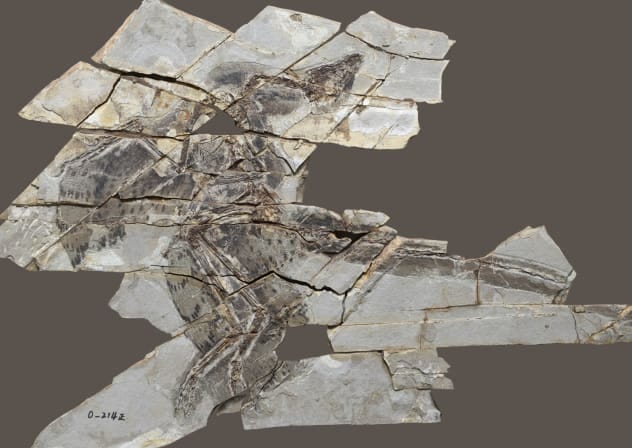
160 million years later: This rare fossil is overturning everything we knew about how birds evolved
Research on the Anchiornis specimen reveals hidden feather structures that contradict old theories on dinosaur flight. Scientists are now re-evaluating how and when animals first took to the skies.

Oldest-known fire-making found in Britain, pushing Neanderthal mastery back 415,000 years

Stone age site in Germany yields Europe's oldest blue pigment, rewriting prehistoric art palette

Scientists reconstruct face of 10,000-year-old prehistoric woman found in Belgian cave
Humans 170,000 years ago were smarter than we think - Israeli study
Experts analyzed smoke and heat circulation in caves and archaeological findings to prove that early humans knew exactly where to light their fires to maximize heat, clean air and living space.

Oh deer! Archaeologists reveal culinary taste of prehistoric Israelis
New research on animal remains in Qesem Cave suggests that early humans selected their hunting grounds based on their gastronomic preferences and need for specific supplies.

Oldest known prehistoric footprints found in Crete
The six-million-year-old footprints may challenge beliefs about the evolution of humanity.

1,300-year-old skis found in Norway
Archaeologists found a 1,300-year-old ski frozen on top of a mountain in Norway in September, completing the best-preserved set yet discovered.

Earliest evidence of fly-fishing unearthed on Jordan River
A new study by Tel-Hai College and international archaeologists showed that ancient fishermen in Israel employed incredibly sophisticated technology.

Oldest evidence of human presence in Americas discovered in new research
A US Geological Survey team found footprints left in North America by humans 21-23 thousand years ago.

Paleo-start up nation: Prehistoric Israelis exchanged technology - Study
In order to understand what kind of exchanges occurred between them, the archaeologists looked at their utensils and the way they manufactured them.

Could this stone slab be the oldest known map of Europe?
However, researchers are uncertain what the other carvings of the stone represent, but hypothesize that they reflect other unknown settlements dating back to the Bronze Age.
Dirty old money: Researchers reveal Iron Age silver forgery
"It is likely they used money that was already in the area from previous periods, to which they added the copper from the Timna area."

Footprints in Saudi Arabia could prove humans were there 120,000 years ago
Archeologists working in Nefud Desert noticed the footprints left in the sediment amid hundreds of footprints by animals.
