Medical study
Blood test found to detect lung cancer with nearly 93% accuracy for average cost of $60 - study
The test involves using a dedicated chip and fluorescence analysis, in which fragments of cell-free DNA in the blood are examined for distinct methylation patterns.


Definium's LSD-based drug lowers anxiety in second successful late-stage study

Brain drain: Israel’s medical exodus grows as nearly 1,400 doctors leave inside three years

New study reveals: How do you maintain weight loss even after stopping a diet?
Sampling flaws may have inflated Lancet's Gaza mortality survey death toll, researchers argue
Released by Professor Emeritus Sergio DellaPergola of the Hebrew University of Jerusalem and independent researcher Mark Zlochin, the correspondence analyzed the survey’s publicly released data.

The activities that will help you age better
Aging is an inevitable part of life, but the way we age may be influenced much more by our daily habits than previously thought.

New study reveals: Why do most humans write with their right hand?
A new study published in the scientific journal PLOS Biology offers an explanation for a question that has accompanied scientists for decades: Why are about 90% of humans right-handed.

Oral inflammation may impair female fertility, new Israeli research shows
Could gum disease affect fertility? A new study suggests oral inflammation may impair reproductive health.

Air pollution and extreme heat linked to more migraine attacks, Israeli study finds
Israeli scientists find air pollution exposure tied to a higher risk of migraine attacks.

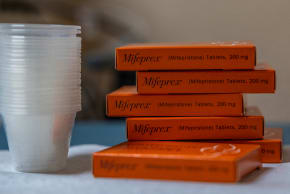
FDA launches safety study of abortion pill Mifepristone with White House approval
In May, the US Supreme Court ensured the abortion pill could continue to be prescribed through telemedicine and dispensed by mail when it restored a 2023 federal rule.
A study revealed: This is what your morning coffee does to your brain
Researchers discovered that caffeine not only improves alertness, but also strengthens the communication between areas in the brain responsible for movement and sensory information processing.

Study revealed exactly how many cups of coffee and tea are recommended to drink per day
Many studies have examined the effects of coffee and tea separately, but the authors of the new study sought to understand specifically what their combined effect is.

Gut feeling: Hebrew University shows how your body’s stem cells fight Salmonella - study
“Our findings show that intestinal stem cells are not only responsible for tissue regeneration, but also the early defense against bacterial infection,” explained study supervisor Dr. Matan Hofree.

Mothers can protect babies from gum disease before birth, Hebrew University study finds
New research shows maternal antibodies may shape a baby’s oral immune system before and after birth, offering long-term protection against gum disease.
