
Scientists developing a potential vaccine for hantavirus halted key research efforts after running out of funding during trials in 2016, despite promising early results and amid renewed global concern following a deadly outbreak linked to a cruise ship in South America, according to a recent Bloomberg report.
The report came in the wake of increased attention on hantavirus after the World Health Organization (WHO) confirmed multiple infections and at least three deaths connected to an outbreak involving the Andes strain of the virus aboard the MV Hondius cruise ship, which left Argentina on April 1.
Unlike most hantaviruses, which spread through contact with infected rodents, the Andes variant can spread from person to person, raising concerns among infectious disease experts about broader transmission risks, according to the WHO.
María Inés Barría, a virologist and researcher at Universidad San Sebastián in Chile, developed antibodies to treat hantavirus and successfully neutralized it in 2016.
After successful animal testing, the lab was ready to begin testing on human subjects when they ran out of money and had to end their research prematurely.
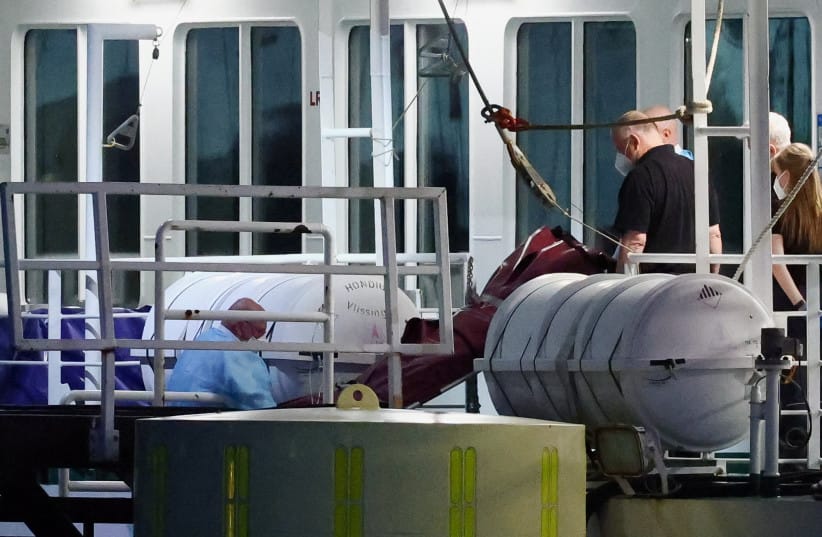
Hantavirus outbreak renews global interest in combating the virus
Global attention has peaked with the discovery of an outbreak of the Andes strain of hantavirus on a cruise ship, and the need for vaccines and effective antibodies has risen.
Kartik Chandran, a professor at the Albert Einstein College of Medicine, has been incrementally developing a vaccine and an antibody treatment. The research Chandran is conducting on the virus is in its early stages, but results have shown effectiveness in protecting against the Andes strain in early trials.
Chandran told Bloomberg that the results indicate they are ready to move on to testing in humans.
“We are engaged in a number of conversations with various parties,” he said. “The goal would be to have something available should there be another outbreak. I’m optimistic that we’ll learn from the current situation and be positioned for hantaviruses down the road.”
However, with so few cases of hantavirus, conducting clinical trials in humans would be difficult for researchers, Chandran told Bloomberg.
The race to develop vaccines
The race to develop a vaccine is more intense back in Chile, where there have been 39 confirmed infections and at least 13 deaths, according to the Chilean Health Ministry.
The source of the outbreak on the MV Hondius cruise ship that departed from Argentina remains a mystery. However, before headlines began reporting on the viral outbreak aboard a cruise ship, Chile was already laying the groundwork to develop a vaccine, but funding dried up, and the global COVID-19 crisis diverted resources.
The virus had gone largely overlooked outside southern Chile in part because it is rare and geographically concentrated, Barría said. “It has always been a public health problem here, but without a solution,” she added.
As the outbreak on the cruise ship draws global attention, the race to develop a vaccine has been restarted, but Barría has said the researchers need funding and time.
“The key factor that’s preventing further progress is funding and resources,” she told Bloomberg.
“We have made significant advances, but we’ve reached a stage that is much more expensive and requires a different level of investment, as well as specific infrastructure that we are currently lacking.”
On top of the need for funding, Barría also estimated that her team at Universidad San Sebastián in Chile would need one to two years to return to the place they were before the Covid-19 pandemic and funding troubles interrupted their research.