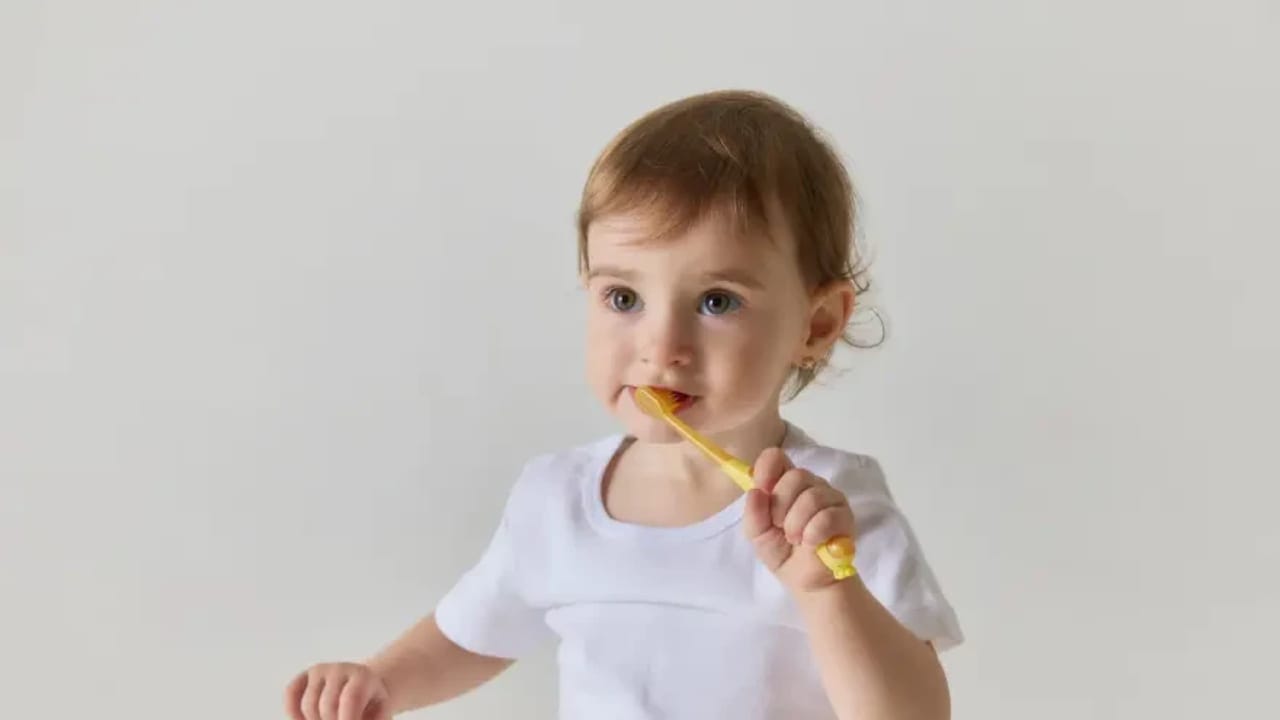
On November 20, International Children's Day is observed worldwide, an occasion designed to raise awareness of children's well-being, rights and health. When discussing health and development in early childhood, many tend to think of vaccinations, nutrition and motor developmental milestones, but often overlook one of the central anchors of a toddler's quality of life: Oral and dental health.
Milk teeth, which gradually erupt beginning in the first months of life, are not merely a temporary transitional stage. They play a crucial role in the child's chewing and nutritional capacity, the normal development of speech, and preserving the space in the jaw for permanent teeth.
On the occasion of International Children's Day, Dr. Nidal Zreik, a pediatric dental specialist from the Maccabi Dent clinic network, presents a guide featuring useful tips and old myths:
When to arrive for the first visit?
The unequivocal medical recommendation of leading pediatric dental associations is to schedule an initial checkup around the eruption of the first tooth, and no later than age one. Many parents are surprised by the early age, but it is important to understand: The goal is not to perform invasive treatments, but to establish a dental home for the toddler.
At this first appointment, the dentist checks the eruption rate, ensures there are no defects in the enamel structure, and provides parents with personalized guidance to prevent future problems. A relaxed introductory meeting at age one prevents a situation where the first visit occurs during an emergency, when the toddler is suffering from pain or acute inflammation.
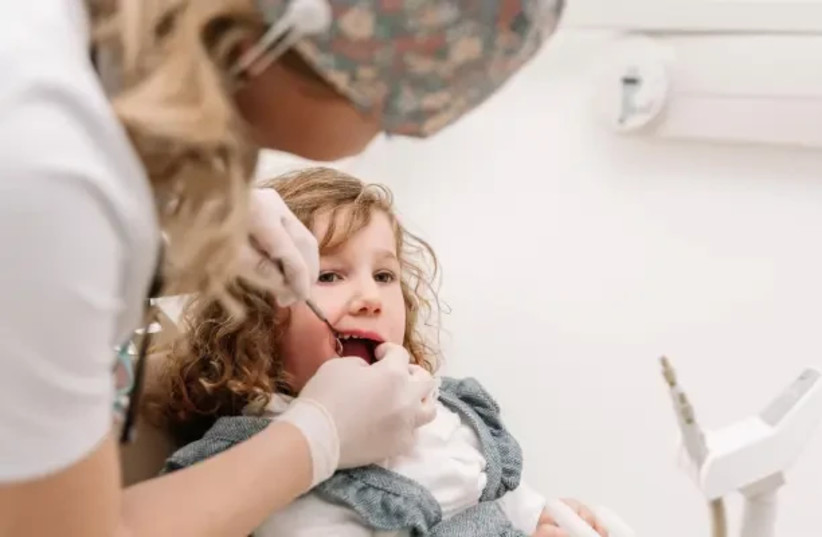
How to create a positive experience at the clinic?
Dental anxiety is not an inevitable decree nor an innate trait; in most cases it is acquired as a result of uncertainty or anxieties that adults unconsciously project onto the child. To ensure the child develops a positive and confident attitude toward the clinic, it is recommended to adopt a few simple steps:
Natural and preparatory conversation: Share with the child a day or two before the visit in a lighthearted manner. You can read a children's book together about visiting the dentist, or play a game where the child checks the teeth of a beloved doll.
Careful word choice: Avoid phrases such as "don't be afraid" or "it doesn't hurt at all." For a toddler, the words "fear" and "pain" are what receive full attention. Instead, explain: "The doctor will count how many teeth have already grown and shine a special flashlight on them."
Child-friendly environment: Pediatric dental specialists are skilled in behavioral communication methods based on explanation, demonstration and gradual action, in a manner that grants the child a sense of complete security and control.
Early childhood caries: Why is a bottle in bed a recipe for damage?
One of the most prevalent problems between the ages of one and three is nursing caries, also known as baby bottle tooth decay. It develops rapidly as a result of prolonged contact between sugar-containing liquids and the toddler's teeth. When a child falls asleep with a bottle containing infant formula, milk, juice or any other sweetened beverage, the salivary flow rate drops significantly during sleep. Without the natural cleansing action of saliva, sugars accumulate on the tooth enamel and nourish the bacteria.
The basic rule for maintaining teeth at night is clear: After the bedtime toothbrushing, drink exclusively water. Do not put a toddler to sleep with a bottle containing sweetened beverages or milk.

Brushing at home: Proper habits from the very beginning
Toothbrushing begins immediately with the eruption of the first tooth in the mouth.
From eruption age up to age two: Brush twice daily using a soft brush with a small head, and a tiny amount of age-appropriate toothpaste with fluoride, the size of a single grain of rice. At this age, brushing utilizes toothpaste containing fluoride at a concentration of 1,000ppm.
From age two to six: Increase the amount of toothpaste to the size of a pea at a concentration of 1,000ppm.
The motor skills of early childhood children do not allow them to brush thoroughly and independently, and therefore parents must actively brush the child's teeth until around age eight.
Turn the action into an experiential activity: Sing a regular song, brush in front of a mirror, and let the child try independently after you have finished thorough brushing.
Rights in the health basket: What is entitled to children and how much does it cost?
On the occasion of International Children's Day, it is important to note that the State of Israel provides a broad medical safety net regarding the oral health of the younger generation. Under the National Health Insurance Law, every boy and girl in Israel are entitled to a wide range of preventive and conservative dental treatments until reaching age 18.
The basket includes one routine periodic checkup per year at no cost, X-rays according to medical need, personal oral hygiene guidance, scaling and fissure sealants that help protect teeth against caries. In addition, conservative treatments such as fillings, root canals, extractions and emergency treatments are included in the basket: Some at no cost and others with a symbolic co-pay of NIS 20 to NIS 30 per treatment. Realizing eligibility at the dental clinics within the "Maccabi Dent" network enables every family to grant their children a full and high-quality medical envelope from age zero, without the economic aspect serving as a barrier to maintaining a healthy smile.
International Children's Day is an excellent reminder that instilling proper health habits in the early years is a long-term investment, ensuring our children a complete, healthy and worry-free smile for all their lives.