
The summer vacation seems like an opportunity to rest, but the transition to an open framework completely destabilizes executive functions: From impulsive shopping, through sensory collapse in the Israeli heat, to the burden of family hosting and child care.
Here are the common traps and tips for dealing with them:
The financial trap and impulsive shopping
The summer months are packed with massive sales online and in malls. The dopamine system constantly seeks stimulation and instant gratification, especially during vacation. The tendency toward impulsivity drives unrestrained credit card swiping and completely unnecessary virtual purchases, leading to financial anxiety that arrives immediately with the end-of-vacation credit card statement.
The winning tip: Decide in advance on a daily or weekly shopping budget, leave the credit card at home when going out for entertainment, or establish an ironclad rule of 24 hours before any significant purchase.
The sensory trap and the heatwave
The Israeli summer shows mercy to no one, and the nervous system of people with ADHD is much more sensitive to environmental stimuli. The sticky sweat, the blinding sun, and the relentless noise in swimming pools and parks create sensory overload in the brain. The result is regulation difficulties, a low frustration threshold, and temper tantrums that seemingly come out of nowhere.
The winning tip: Integrate planned quiet time into every day, choose more moderate activities for the hot hours, as well as use calming accessories such as noise-canceling headphones, a wide-brimmed hat, and cold water to cool down the system.
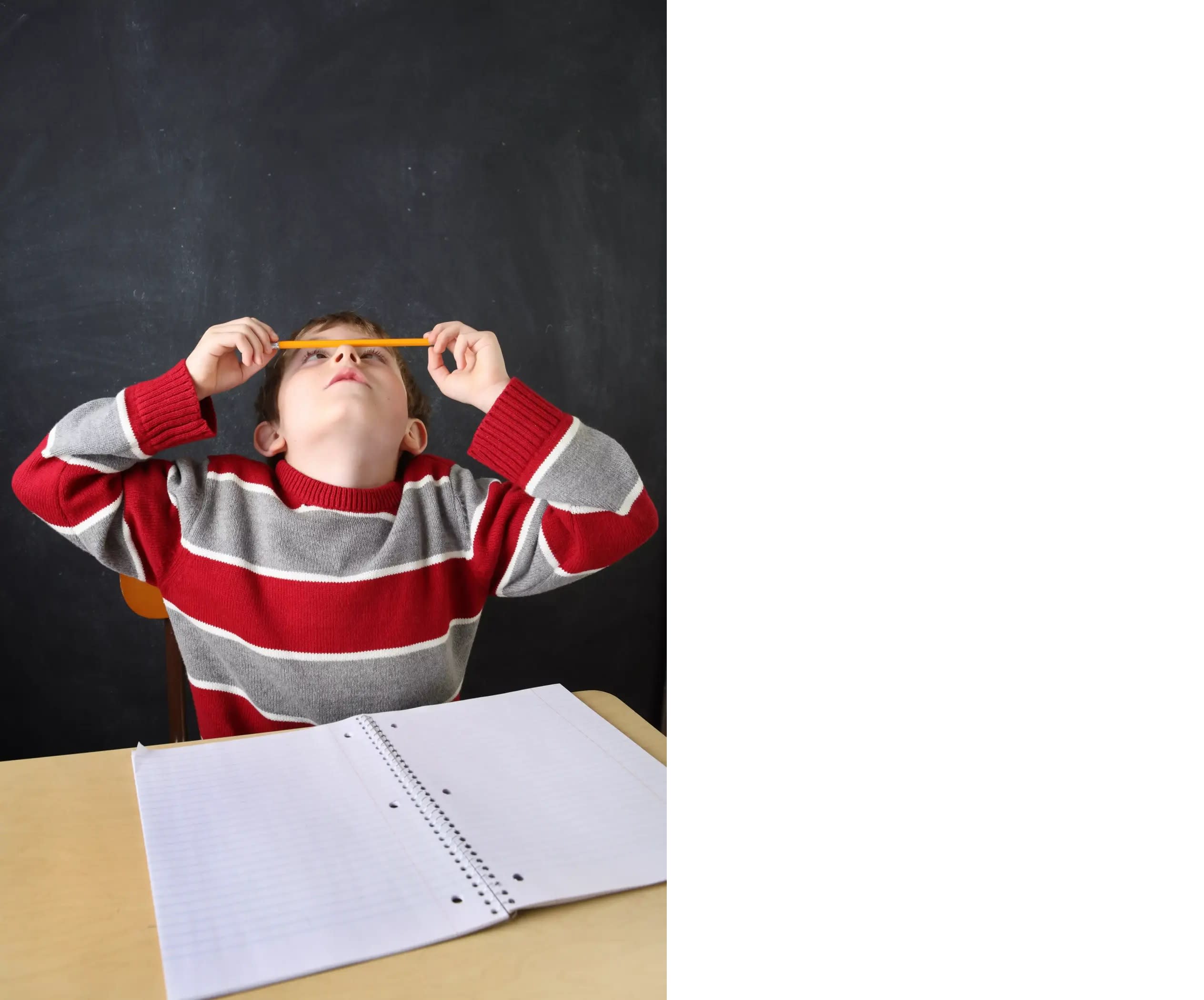
The operational trap due to the framework vacuum
The moment routine falls apart, an illusion is created that there is an abundance of free time. In practice, however, the lack of framework and order very quickly leads to task paralysis and extreme procrastination. In addition, there is a direct blow to sleeping and eating habits. Late hours, irregular meals, and continuous snacking disrupt the body's biology, and in an ADHD brain, the lack of routine has a more dramatic effect.
The winning tip: Build a flexible yet clear daily or weekly schedule in advance, maintain a relatively consistent bedtime, try to avoid screens before sleep, as well as create permanent anchors such as meal times and one planned activity per day.
The logistical trap and vacation collapse
Attempting to organize a family or group vacation drains a lot of cognitive energy, since planning and packing require order and step-by-step thinking. The overload of small details, such as coordinating flights and choosing hotels, causes people with ADHD to give up or get stressed. Even the paralysis of unpacking back home leaves suitcases strewn in the living room for long weeks.
The winning tip: Split the tasks into short lists by days, get help from another person to reduce the load, or use a task management application.
The family trap and the domestic pressure cooker
The summer vacation causes a massive burden on household management. Prolonged time at home with children without frameworks creates friction and an increased sense of burnout. Juggling between family hosting for Friday dinners – which sometimes includes tracking complex recipes or numerous dishes – and continuous child care overloads executive functions.
The winning tip: Insert personal activities into the parent's calendar. Even 15 minutes of quiet time a day can work wonders for regulation, and it is highly recommended to involve older children in planning the day in advance.
The emotional trap and social comparison
In the summer, it seems like everyone around is having fun, succeeding, and organized. For someone who feels messy anyway, social media amplifies the gap and generates a continuous sense of failure.
The winning tip: Reduce time spent on media during emotionally difficult periods and remember that external comparison never reflects the inner journey and the real coping that people go through.
The real key to making it through the summer is not trying to be perfect or fighting our brain by force. It is recommended to set soft, protective boundaries, make use of the tips, and thus arrive in September strengthened, calm, and full of renewed energy.
Dr. Shirley Hershko is a senior expert in Israel in the field of ADHD, a researcher and author, a lecturer at the Hebrew University, owner of a diagnosis and treatment institute for children and adults, and has five bestselling books and an additional new book to her credit.