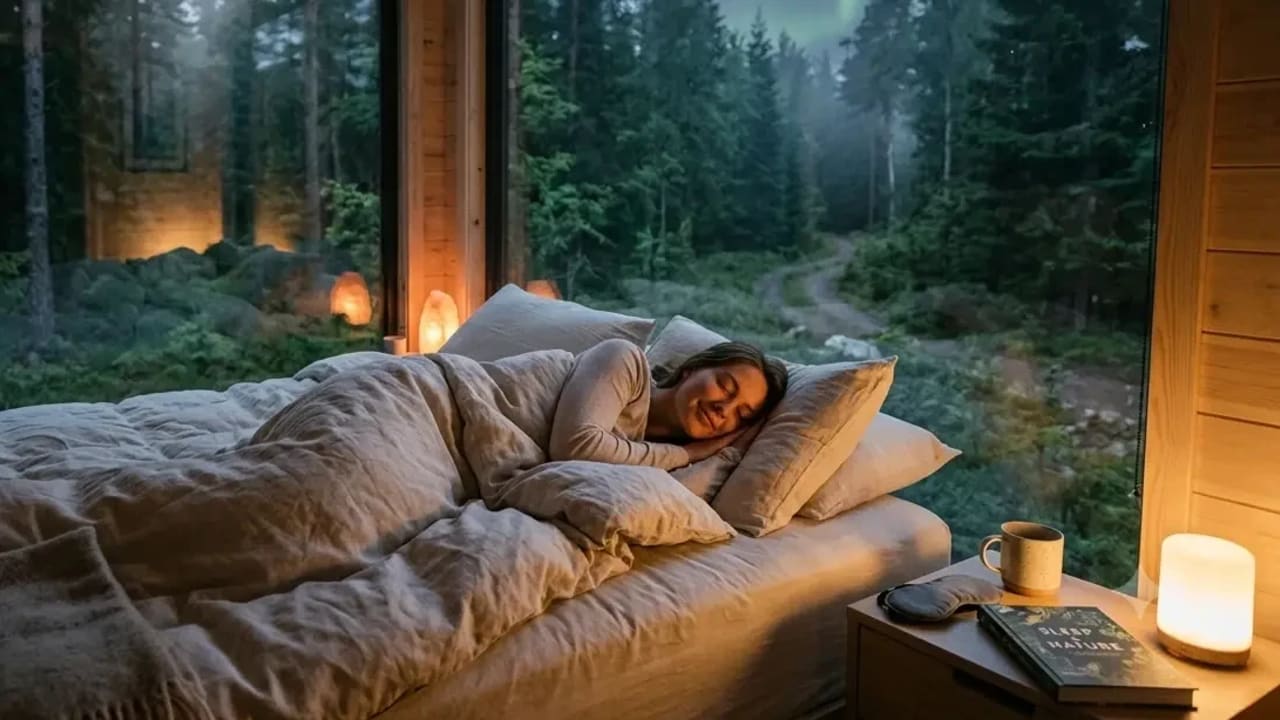
If in the past a successful vacation was measured by the number of attractions we managed to cram into the schedule, the number of countries we pinned on the map, or the number of photos we uploaded to Instagram, today it seems the definition has changed. More and more travelers are returning from vacation and proudly telling of one thing in particular: That they finally slept properly.
This trend has already received a name – Sleep Tourism. But it involves much more than pampering hotels or luxury mattresses. In fact, it reflects one of the biggest stories of our era: An exhausted, fatigued, and constantly connected society seeking to escape not only from work, but also from the relentless burden of life.
Prof. Noa Lavie, a sociologist and dean of the School of Government and Society at the Tel Aviv-Yaffo Academic College, explains that this is a direct result of modern lifestyle. "We live in a period where the boundaries between work and leisure have almost disappeared. Hybrid work, constant availability, notifications, and social networks have made rest itself a rare resource. In such a reality, it is not surprising that people are willing to pay not just for a room with a view, but for a room that promises quiet, darkness, and good sleep," she says.
According to her, sleep tourism is part of broader trends such as Wellness, Slow Living, Mindfulness, and Digital Detox. "If in the past a vacation was an opportunity to consume more experiences, today it is perceived as an opportunity to recover from life itself."
Not escaping the routine – repairing the damage it causes
This is perhaps the most interesting insight behind the trend. People are no longer looking at a vacation merely as an escape from routine, but as a way to repair what routine does to them. The vacation becomes a space for rehabilitation – physical, emotional, and mental – rather than just recreation. In this sense, sleep tourism is less an expression of pampering and more evidence of the ongoing burden under which many of us live.
This shift is particularly prominent among young people. This is a generation that grew up in a world where one must always be connected, respond, update, and remain relevant. Alongside economic uncertainty, a competitive job market, and social networks that operate non-stop, sleep has also become a resource that requires "making time for." Therefore, it is no wonder that mental health, balance, and rest are perceived by them not as luxuries, but as an integral part of quality of life.
The tourism industry has not remained indifferent. Hotels, cruise lines, and airlines are investing more and more in creating experiences that promote quality sleep, stress reduction, and recovery – ranging from sleep-optimized rooms and wellness treatments to smart lighting, pillow menus, and relaxation programs.

Cruises and airplanes join in too
The trend has already filtered into the cruise world as well. On MSC Cruises ships, adults-only Zen areas, spa zones, and quiet pools have been established alongside high-quality sleep systems and ergonomic mattresses. During 2026, the company expanded its offering of health and beauty treatments, including AI-based skin diagnosis and innovative spa treatments.
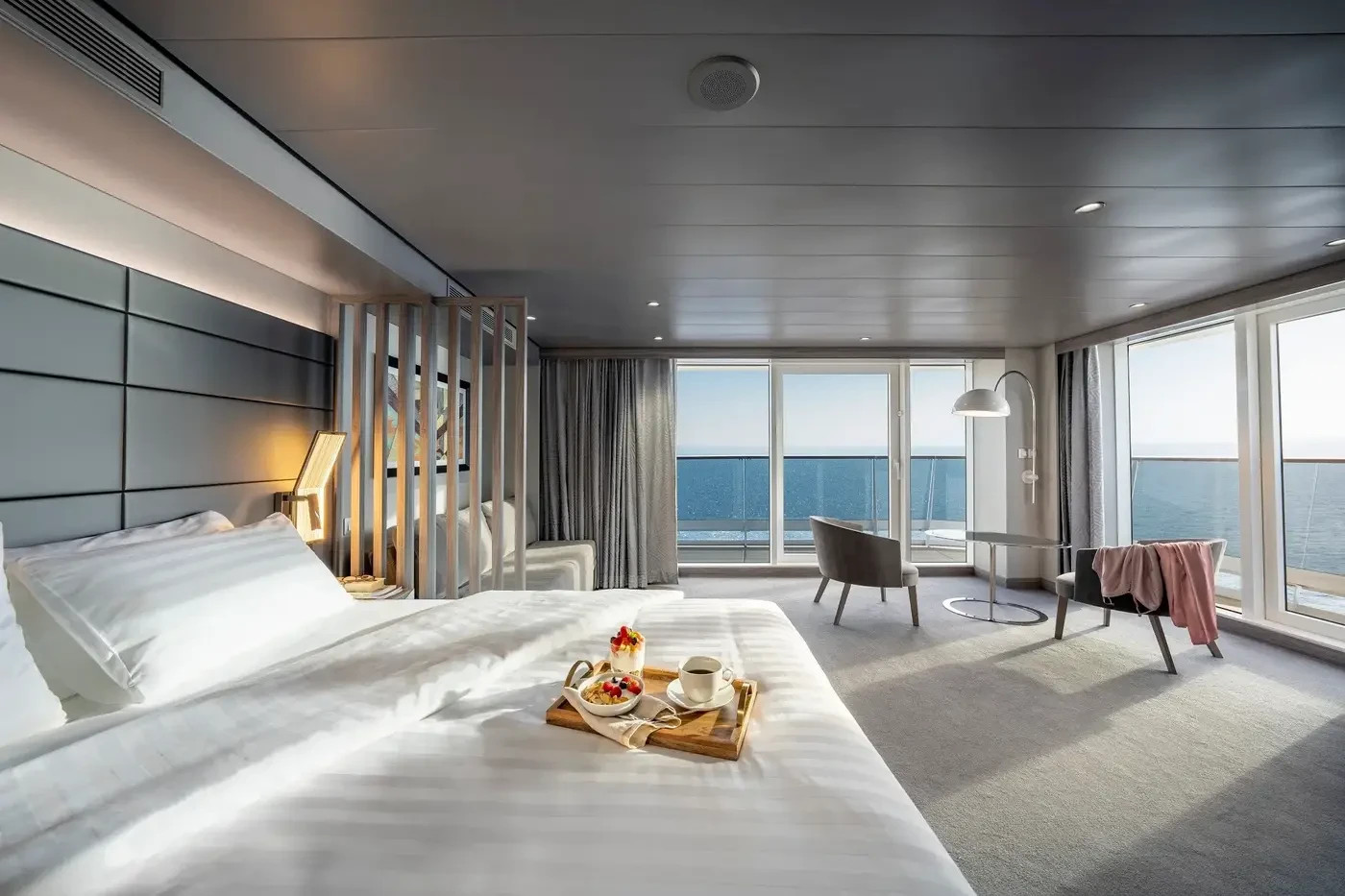
The luxury cruise brand Explora Journeys has also based its hospitality experience around the concept of recovery. The Ocean Wellness Spa facility offers dedicated tracks for sleep improvement, stress reduction, and mindfulness, while all suites are equipped with advanced sleep systems, a selection of pillows, and luxurious linens. Guests can even pre-select the type of pillow and duvet that suit them best even before the cruise.
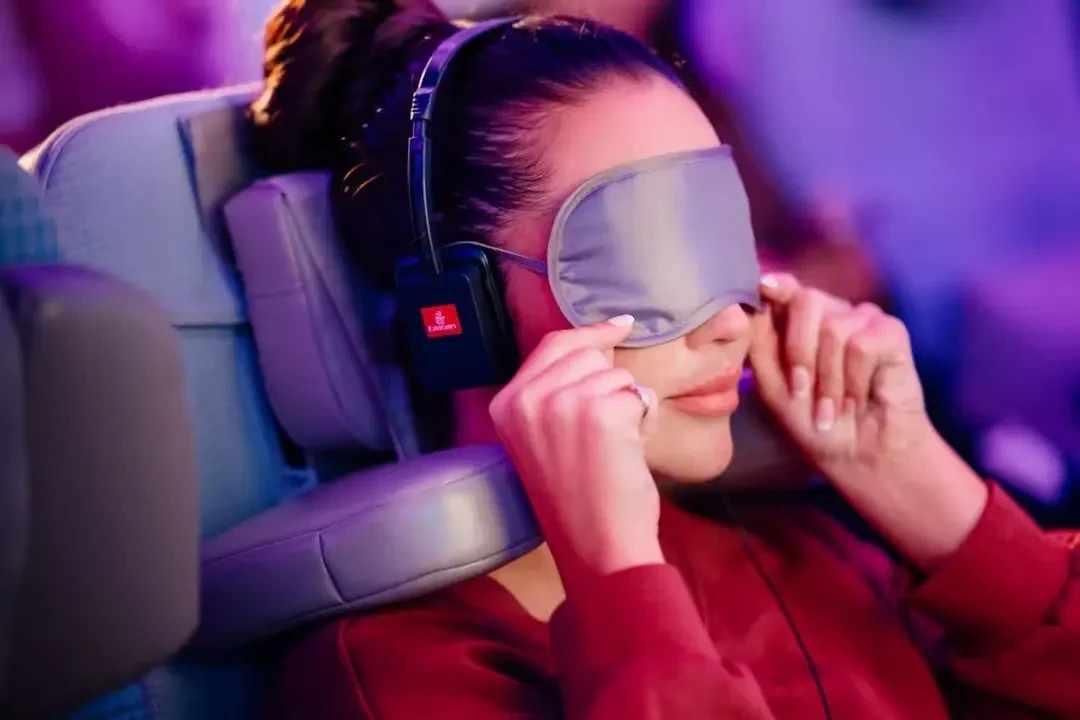
Airlines also understand that the vacation begins already on the way to the destination. Emirates Airlines emphasizes conditions that will allow passengers to rest better during the flight and arrive refreshed. On all the company's aircraft, emphasis is placed on personal space and ergonomic seats, and as part of the fleet upgrade program, new seats will be introduced starting in October in economy class, including an eight-way adjustable headrest.
In premium economy class, wide leather seats are offered with a generous recline and footrests, in business class the seats convert into completely flat beds with a mattress and pillow, while in first class passengers enjoy private suites including personal climate control and adjustable mood lighting.
The new luxury: One night of good sleep
It seems that Sleep Tourism will only grow stronger in the coming years, as the need it expresses becomes more significant. In a world where we are all available, connected, and running from task to task, true luxury is no longer just an exotic destination or a luxury hotel – but the ability to stop, disconnect, and enjoy one truly good night's sleep.