Parasha
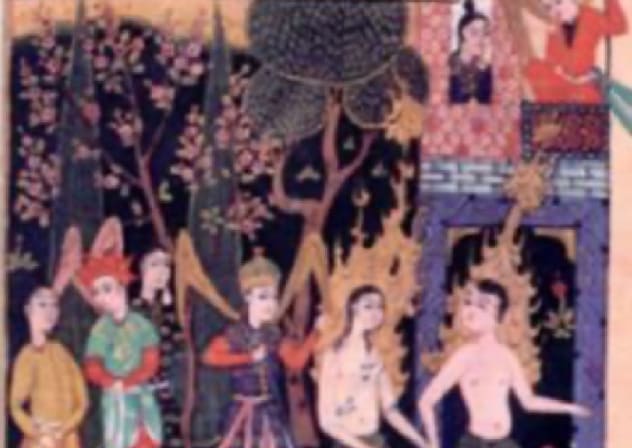
The imagination that began it all: The Persian-Jewish poet bringing Genesis back to life - opinion
Does an identity gain strength by filtering out every external influence, or by encountering another culture without losing its own essence?

Simchat Torah 2026: What exactly are we so joyous about?

An unimaginable idea: When does God ignore idolatry by Jews?

Israel after Oct. 7: What Moses teaches us about survival and responsibility
Parashat Eikev: The things we step on
Parshat Eikev teaches that the greatest threats to our values begin not with rejecting them, but with neglecting the small practices that keep them alive.

Parashat Va'ethanan: The positive within the negative
The Ten Commandments are not an independent list of fundamental principles, but rather the nucleus from which the entire Torah unfolds - its genetic code.

Parashat Devarim: Always relevant
The Torah remains unchanged, yet its message can be expressed anew in the language, challenges, and circumstances of every generation.

Parashat Matot-Masei: Don’t borrow identity
Public debate has become louder, more bitter, and less capable of self-correction because opinions have hardened into identities.

Parashat Matot-Masei: Slow and steady
The most important movement is not always what is visible externally, but what takes place within a person.

Parashat Pinchas: A prophet for difficult times
The Three Weeks do not ask us to despair. They ask us to remember what we lost, why we lost it, and, above all, that God has never stopped remembering us.

Parashat Balak: What is the price of aloneness?
In a highly integrated world, the isolation of the State of Israel is itself a strategic risk. Some voices in Israel deride this issue or dismiss concerns about how we are viewed.

Parashat Balak: Guarding our eyes
Jewish tradition values personal modesty and meaningful inner growth that is not displayed for public attention. Such conduct is fitting for a people who serve God.

Parashat Beha'alotcha: Know your place
After Pharaoh intensified the Jewish slaves' work, Moses felt that his mission had failed. Out of deep pain, he turned to God and said, “Why have You done evil to these people? Why did You send me?

From Sinai to today: Judaism and the long march of monotheism - opinion
We were not selected for privilege but to carry God’s presence and moral vision into a broader world.