Neolithic
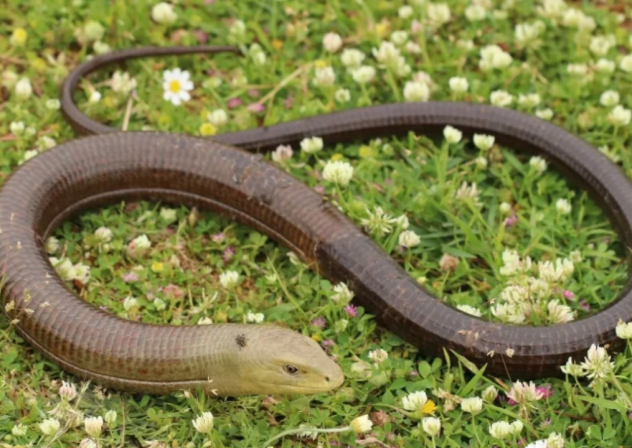
Snake snacks? Hunter-gatherer diets in northern Israel included reptiles, new study suggests
Using careful examination methods, researchers were able to identify for the first time cut marks made by flint knives in consistent locations on the bones of large snakes found at the site.

Hidden for millennia: Mystery ancient stone circle discovered beneath Scotland's Machrie Moor

Plaster-making technique attributed to Romans used at Motza some 8,000 years earlier, study shows

British heritage charity constructs replica of 4,500-year-old prehistoric building near Stonehenge
Wooden platform older than Stonehenge found hidden beneath man-made island in Scotland
The analysis found that the crannog started out as a circular wooden platform, measuring at around 23 meters across, and topped with brushwood.

Meet Britain's oldest Northerner: The ‘Ossick Lass' buried over 11,000 years ago - study
In addition to the Ossick Lass, the remains of at least seven other individuals had also recovered from the cave.

German archaeologists discover medieval tunnel system inside Neolithic burial site
Thousands of similar tunnel systems have been discovered across Europe and despite this, their purpose has been subject to decades of theory and debate.

3000-year-old burial site uncovered in Scotland sheds light on devastation in the Bronze Age
Archaeologists from GUARD Archaeology uncovered the unusual Bronze Age burial site near Twentyshilling Hill, Dumfries and Galloway, while working on a wind farm project.

Massive 4,000-year-old pits near Stonehenge were carved by neolithic humans, archaeologists say
Research published in the Internet Archaeology Journal found that the pits are man-made and were constructed during the late Neolithic period, making them over 4,000 years old.

Turkey unveils new Gobeklitepe discoveries, adding to picture of Neolithic age
Turkey's Stone Mounds Project, including Gobeklitepe and Karahantepe, features the world's oldest structures for gathering and rituals, dating to 9,500 BCE.

Face carved on T-shaped pillar at Karahantepe links Neolithic Anatolia and the Levant
Munro says the minimalist carving closely matches a twelve thousand year old face unearthed in Israel, hinting at a shared symbolism across early settlements.

6,300-year-old 'gum' yields DNA clues to Neolithic life
A University of Copenhagen team analysed thirty tar lumps from nine Alpine lake settlements, detecting male DNA on tool adhesives and female DNA on pottery repairs.

Neolithic engravings may push Chinese writing back 7,000 years
Feng Shi confirmed that inscriptions on ceramic stands from Liulinxi are the earliest known Chinese characters, appearing in groups rather than alone, making them easier to interpret.

Groundbreaking discovery: Karahan Tepe reveals 12,000-year-old human face
A T-shaped stele bearing a human face, unearthed during excavations near Göbekli Tepe, is characterized by distinctive features such as sharp contours, deep eye sockets, and a broad-shaped nose.
