Bronze Age
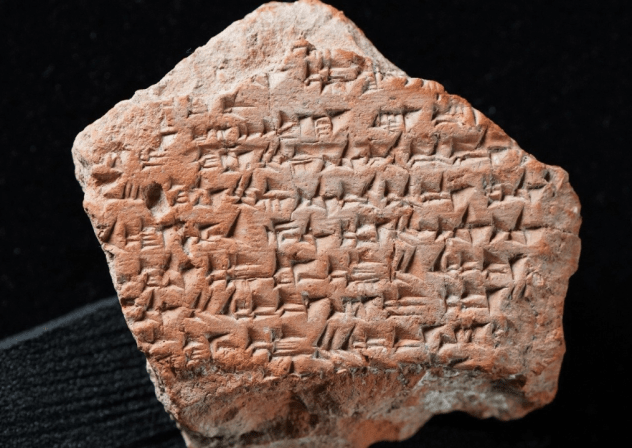
Turkey uncovers new fragment of oldest known peace treaty between Egypt and Hittites
The fragment, found at the ancient Hittite capital of Hattusha, contains provisions on people fleeing between Egypt and Hatti and the protection of their homes.

Bronze Age hoard, Egyptian diamonds: String of museum heists throughout August shake Europe

‘Healing through restoration’: How Israel’s hidden dig site builds community out of archaeology

‘Smoking gun evidence’: Bronze Age shaman long thought to be male revealed to be female goldworker
3000-year-old burial site uncovered in Scotland sheds light on devastation in the Bronze Age
Archaeologists from GUARD Archaeology uncovered the unusual Bronze Age burial site near Twentyshilling Hill, Dumfries and Galloway, while working on a wind farm project.

Archaeologists uncover 5,000-year-old winepress, Canaanite folk worship evidence near Tel Megiddo
Discoveries near Tel Megiddo offer insight into ancient Canaanite life and urbanization. Finds include a 5,000-year-old winepress and ritual offerings positioned in sight of the city's main temple.

Bronze bust of Egyptian goddess Isis unearthed at Satala necropolis in Gümüşhane, Turkey
The discovery emerged in the cemetery just north of the Roman walls at a site that once housed the headquarters of Legio XV Apollinaris on the empire’s eastern frontier.

Ancient Roman bronze 'ghost of the banquet' skeleton revealed as rare party favor of death today
Only twelve examples of the larva convivialis are known, with the 2.6 inch figurine now housed at Getty Villa in Los Angeles.

Historic Loss: Bronze Age Gold Taken in St Fagans Break-In
Detective Inspector Chambers thanked the museum, Northamptonshire Police, and the public for their continued support, stating that the investigation is ongoing.

Only the third of its kind: Early Bronze Age gold brooch from 2,500 BCE changes Troy’s story
The 4,500-year-old ring brooch, the best preserved of three worldwide, conclusively dates Troy II to about 2500 BCE and will soon be displayed at the Troy Museum.

Massive 5,000-year-old dolmen rewrites Bronze Age trade in southern Spain
we may be talking about one of the most monumental and complete dolmens in all of Andalusia, said professor Becerra.

This bronze helmet survived the final battle that ended Rome's first major war
Archaeological team recovers intact cheek plates and crown knob from First Punic War clash that established Roman Mediterranean dominance.

Farmers were digging potatoes - then they found a 3,000-year-old bronze treasure
16 kilograms of ancient metal - offered to the gods or hidden from enemies?

Harvard researcher: Ancient livestock may have carried plague across Eurasia
Study by Max Planck Institute and partners detects the late neolithic bronze age plague strain in a 4,000-year-old Arkaim sheep, linking human and animal infections.
