A new scientific study finds that the sunken Soviet nuclear submarine K-278 Komsomolets continues to release radioactive material into the Norwegian Sea. Recent sampling near the wreck detected significantly elevated levels of multiple isotopes. Measurements showed strontium, cesium, and plutonium isotopes above natural background. Cesium-137 reached up to 800,000 times higher than natural radioactivity. Strontium-90 measured up to 400,000 times above natural levels.
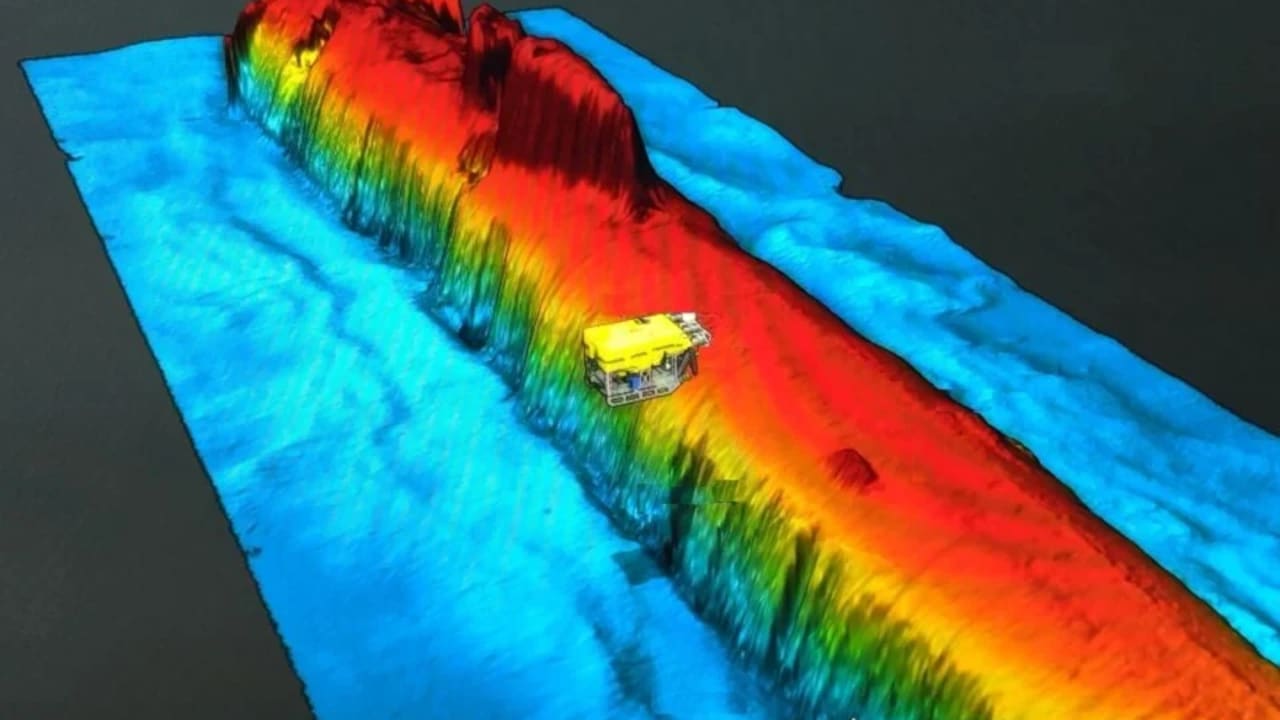
Elevated ratios of uranium and plutonium in collected samples indicate the reactor’s nuclear fuel is still corroding. Investigators identified an active leak from a ventilation pipe. They also detected leakage from a nearby metal grill on the conning tower. The vessel rests upright on the seafloor at 1,680 meters (5,511 feet). It appears largely intact except for damage to its forward section and torpedo compartment.
The decaying reactor is periodically releasing plumes of contamination into surrounding waters. Releases have been observed for more than 30 years. Researchers emphasize that ocean currents rapidly dilute the radioactivity. They say overall contamination of the marine environment remains minimal. Marine life such as soft corals, sea anemones, and sponges have absorbed some radioactive cesium.
Those values are above usual levels for benthic organisms in the European North Sea. They are not considered high enough to expect significant biological impacts.
Soviet titanium attack submarine
The Komsomolets is a unique Soviet titanium alloy nuclear-powered attack submarine. It sank on April 7, 1989, after a fire broke out in its rear compartment while traveling at approximately 400 meters depth. The blaze escalated under unclear circumstances, turning the stern into a blast furnace and killing 42 of the 69 crew members.
Even amid the emergency, the submarine managed to surface, and its nuclear reactors were shut down. The wreck now lies upright with evident damage to its forward and torpedo sections. It otherwise appears as if it sank recently. That impression was reinforced by a 2019 survey by Norwegian researchers that included marine radioecologist Justin Gwynn. In the years after the disaster, Russian leaders implemented a solid environmental remediation plan for the Komsomolets.
Soviet and Russian documents indicate that securing, cleaning up, and being transparent about the submarine was treated as a top priority to maintain trust with international partners, according to Gizmodo. While the reactor has been the principal source of releases, the submarine’s two nuclear torpedoes remain sealed. Following isolation work in 1994, damaged areas were sealed with titanium plugs and plated. Inspections in 2019 confirmed the seals were holding. No plutonium was leaking from the warheads in the torpedo section.
The reactor continues to decay
Scientists report that the reactor continues to decay and intermittently emit radioactive plumes. Elevated isotope levels and anomalous uranium-plutonium ratios point to ongoing corrosion of the nuclear fuel. The active leaks at the ventilation outlet and the conning tower grill are consistent with this continued degradation. Despite these findings, fast-moving currents have limited the broad-scale environmental footprint. Localized uptake by seafloor organisms indicates persistent exposure above typical baselines.
Researchers caution that the condition of the submarine is worsening. The extreme depth and harsh conditions make repair or further isolation work technically challenging. Norwegian authorities have regarded the wreck as a source of concern for decades, according to CNN Greece.