Relations between the United Kingdom and Israel suffered another troubling blow on Tuesday, as Britain announced sanctions against eight Israeli construction and development companies operating in the West Bank.
More concerning than the immediate economic consequences is the precedent London is setting, and its potential implications for Israeli businesses and citizens beyond those named.
The sanctions, including asset freezes and director disqualifications, are intended to disrupt settlement construction. Announced shortly before the final deadlines for the controversial E1 settlement tender, they send a message to Israel’s government: Settlement expansion will carry an international price.
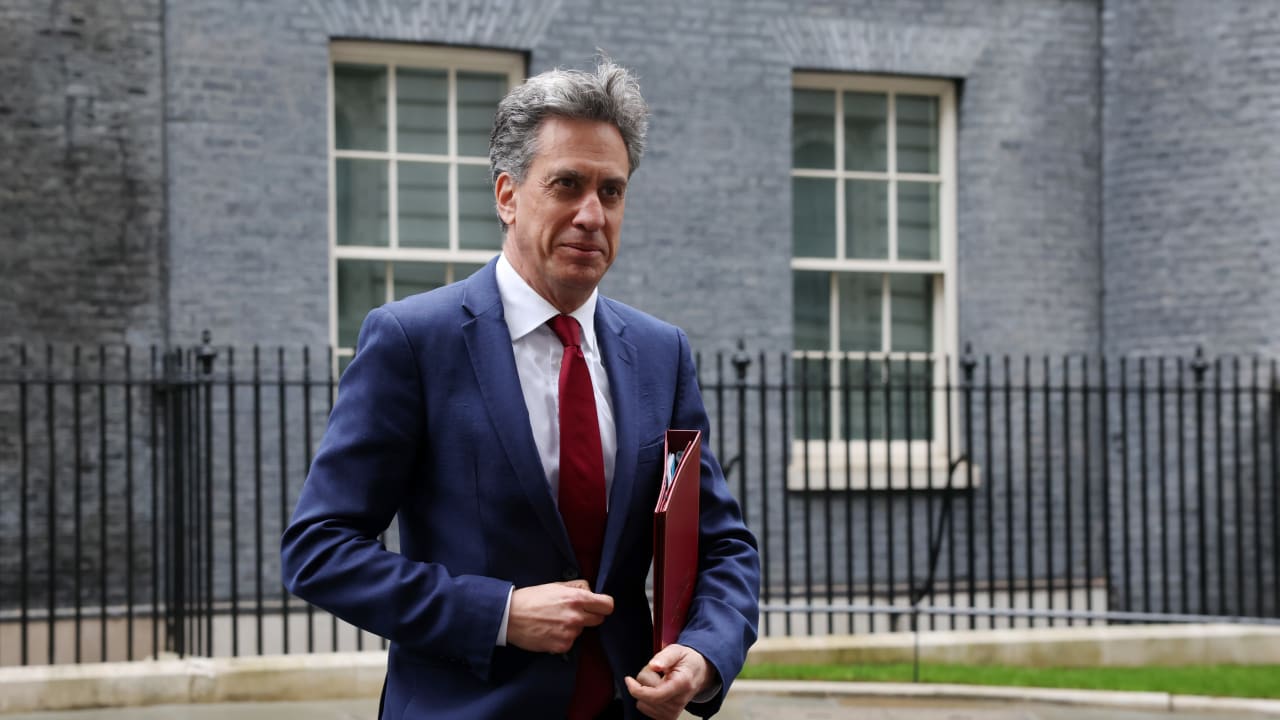
UK Foreign Secretary Ed Miliband framed the decision as part of Britain’s commitment to preserving a two-state solution. But where does this policy end?
If construction companies can be sanctioned for their involvement in settlements, what about the banks financing them, the suppliers providing materials, or businesses providing essential services? The distinction between targeting specific companies and imposing wider economic pressure on Israeli institutions could become increasingly difficult to maintain.

Britain owes Israel an explanation for double standards
Britain also owes Israel an explanation of the standard it is applying. In September, its government told Parliament it had no plans to introduce additional trade sanctions against northern Cyprus, emphasizing economic engagement between the island’s two communities. Britain’s own guidance warns that property there may belong to Greek Cypriots displaced in 1974, whose ownership rights remain legally recognized.
London understands the problems of displacement and contested property. Why does it favor economic engagement in one unresolved territorial conflict while expanding sanctions against businesses in another?
Its earlier explanation makes that question more pressing. Asked in July about its different treatment of Israeli and Turkish settlers, the British government said Israeli sanctions responded to specific acts of violence or repeated incitement. Tuesday’s measures extend to companies for their involvement in settlement construction. That broader justification demands an explanation of how Britain intends to apply the same principles elsewhere. The conflicts have different histories and legal circumstances. London must explain why those differences warrant such different economic responses.
There is little reason, meanwhile, to believe these sanctions will achieve their political objective.
Ideological drivers unlikely to be halted by British sanctions
The ideological forces driving settlement expansion are unlikely to change course because Britain freezes several companies’ assets. Those most committed to expanding settlements will interpret the move as further evidence that Israel cannot rely on its traditional allies, reinforcing their determination to press ahead.
London risks strengthening those who argue that international criticism should simply be ignored, while making diplomatic engagement on the West Bank more difficult.
The inclusion of Tzav 9 for obstructing humanitarian aid deliveries to Gaza raises a separate issue. The broader announcement should nevertheless remind Israel that it cannot dismiss growing international concern over the West Bank.
Jewish extremist violence against Palestinians, inconsistent law enforcement, and the increasingly permissive environment in which some attacks occur carry serious diplomatic consequences.
Israel cannot expect its allies to indefinitely overlook violence and policies that undermine prospects for a political solution. Nor should it allow extremists to define its international standing.
The next Israeli government must confront Jewish violence seriously, ensure equal law enforcement, and pursue diplomatic engagement. It must also defend Israel’s legitimate security interests and insist that its allies apply consistent standards.
Britain should understand that sanctions are a blunt instrument. Punishing companies is unlikely to persuade the settlement movement to abandon its ambitions and risks a broader confrontation with Israeli society. Preserving a two-state solution requires sustained diplomacy and a credible understanding of Israeli security concerns.
Israel must address the conduct that makes such measures increasingly attractive to its historic allies. London must explain why economic engagement remains its prescription elsewhere, while Israeli businesses face expanding penalties.
Jerusalem has responsibilities in its own backyard. Britain has a responsibility to demonstrate that its principles hold beyond the West Bank.