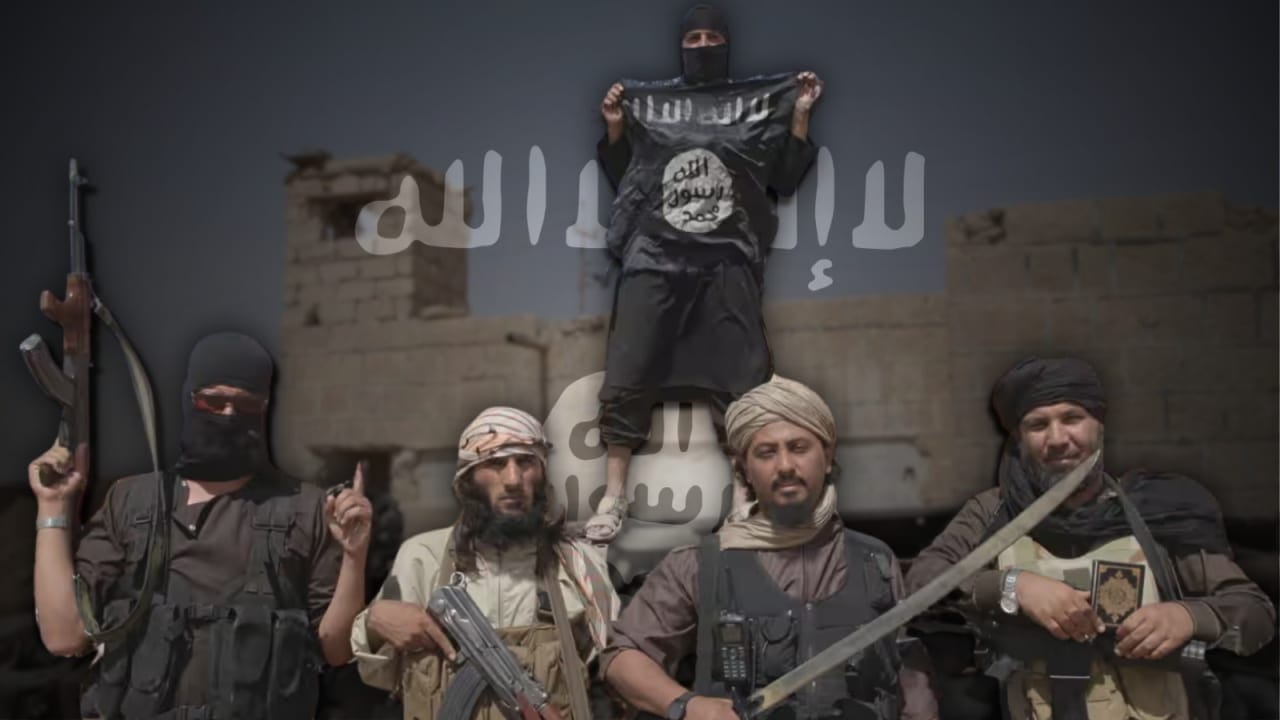
US forces eliminated a key ISIS figure in Syria, US Central Command reported Friday.
“On September 19, US Central Command (CENTCOM) forces conducted a raid in Syria that resulted in the death of a senior ISIS operative who posed a direct threat to the US homeland,” the report said.
The target of the strike was Omar Abdul Qader, “an ISIS member actively seeking to attack the United States,” US Central Command reported. “His death disrupts the terrorist organization’s ability to plot and carry out future attacks threatening Americans and our partners.”
This follows a successful raid on August 19 in Atmeh, Syria, in which the US killed senior ISIS member Abu Hafs al-Qurayshi, according to reports. Atmeh is in Idlib province near the Turkish border.
After the strike in Syria on September 19, CENTCOM Commander Adm. Brad Cooper said: “We will not yield in our pursuit of terrorists seeking to attack the United States, our forces, or allies and partners abroad… I commend the efforts of our skilled warfighters and all who supported them during the mission.”

According to Rudaw Media Network, a news channel in the autonomous Kurdistan Region of northern Iraq, “The Iraqi Counter-Terrorism Service (ICTS) announced earlier on Friday that they had killed ‘one of the most prominent leaders’ of ISIS in a joint operation with the US-led global coalition inside Syria.”
This indicates that Iraq was closely involved in this operation. It also shows how Iraq is seeking to boost its capabilities along the Syrian border and in operations against ISIS.
ISIS was largely defeated in 2019 in Syria and Iraq. Nevertheless, it continues to operate cells in both countries.
According to recent reports, Iraqi intelligence had provided Syria with details about an assassination plot, indicating how Iraq and Syria are also working more closely together.
US Central Command did not mention the Iraqi role in the operation on September 19.
The Iraqi Counter Terrorism Service “said that Omar Abdul Qader Bassam, also known as Abdul Rahman al-Halabi, was directly involved in the 2013 bombing of the Iranian embassy in Lebanon that killed 23 people and injured 160 others,” Rudaw reported.
North Press Agency, a Syrian news agency that is considered close to the US-backed Syrian Democratic Forces in eastern Syria, reported that “the strike comes as part of ongoing operations carried out by the Syrian Democratic Forces (SDF) in coordination with the US-led Global Coalition. These operations focus on identifying and eliminating remaining ISIS cells in northeast Syria, dismantling terrorist networks, and preventing the resurgence of extremist activity. The collaboration includes intelligence sharing, joint raids, and air support, contributing to regional stability and security.”
Meanwhile, ISIS killed a member of the SDF last week. The incident took place near the village of Muheimida in the northwestern countryside of Deir ez-Zor, the SDF reported.
This is a tense area because it is near the dividing line between the SDF and the Syrian transitional government forces, who need to coordinate in an effort to keep ISIS in check and not let a terrorist resurgence occur.
It was not clear if the new Damascus government is able to coordinate closely with the SDF due to tensions over how the SDF might integrate into Syria’s new governmental framework.
Cooper was in Damascus earlier this month to meet with Syrian President Ahmed al-Sharaa.