
The Beersheba Magistrate’s Court on Tuesday ordered the release of Hussein Masoudin, one of seven suspects arrested in an investigation into alleged vote-buying for Ra’am that Prime Minister Benjamin Netanyahu and Likud invoked to claim an attempt to steal the election.
Six of the seven suspects are now out of police custody, although some remained under house arrest. Ibrahim al-Garibi remained in custody after the Beersheba District Court on Monday accepted a police appeal and extended his detention until Wednesday.
Masoudin was among three men arrested on Election Day, October 27, on suspicion of attempting to secure votes for Ra’am through money or benefits. Police said searches uncovered envelopes containing cash and ballot slips for the party. Four more suspects were arrested on Thursday and released to house arrest.
The releases follow judicial criticism of the investigation, but the courts have reached different conclusions about the need to keep individual suspects in custody.
On Sunday, Judge Eran Tzabari released Dr. Sayaf Abu Riyash without restrictive conditions, rejecting a police request for seven days of house arrest. The judge said the suspicion against him had weakened and investigators had failed to explain why the requested restrictions were necessary.
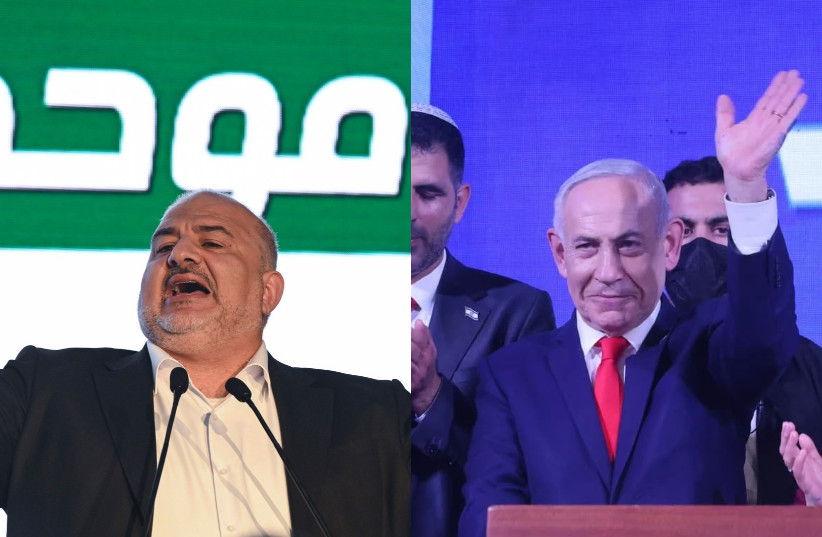
Restrictions lifted, one remains in custody
On Monday, Tzabari also lifted the restrictions imposed on Said Abu Sa’ad, one of the four suspects arrested on Thursday. Three of those arrested with him remained under house arrest.
In al-Garibi’s case, however, District Court Judge Dina Cohen accepted the police argument that further investigative steps required his continued detention. Citing confidential material, she found sufficient grounds to extend his remand by two days to allow specific steps that could be compromised by his release.
Masoudin’s lawyer, Maor Segev, welcomed Tuesday’s decision, saying that the defense had maintained from the outset that continued detention was unjustified. He described the investigation as political. Defense lawyers have disputed the bribery allegations, saying money seized in the case was intended for charitable assistance.
Arrest part of dispute over election integrity, legitimacy
The arrests became part of the wider dispute over the election’s legitimacy after Netanyahu invoked them on Election Day to allege an attempt to steal the vote. Likud subsequently alleged that the election had been stolen in Arab communities and urged other parties not to rely on Arab representatives to form a government or replace the Knesset speaker.
Last week, Israel Police said it had no investigative or intelligence support for the broader stolen election claims.
The police bribery case is distinct from the Shin Bet (Israel Security Agency) investigation into suspected foreign funding intended to influence the election. No connection between the two investigations has been publicly established.
On Sunday, Central Elections Committee chairman Justice Noam Sohlberg said that even if the foreign interference suspicions were substantiated, they would not undermine the election’s integrity or its results as a whole. He also warned against casting aspersions on Arab citizens’ voting.
The Shin Bet has said the intelligence underlying its inquiry came from its own work rather than a political party. Likud challenged Sohlberg’s assurance, arguing that it was premature to rule out an effect on the results before the investigation was complete.
On Monday, Sohlberg rejected a Likud demand for an investigative briefing before the election results were approved. He said the outgoing parliamentary majority could not make publication contingent on its consent, and that those entitled to challenge the results could do so in court.
Official results are scheduled for publication on Wednesday, November 4, while the investigation continues.