October 7 reshaped Israel, but its political blocs remain entrenched
October 7 looms over Israel’s election, but analysts say it has reinforced existing political loyalties rather than shifted voters between blocs.

October 7 looms over Israel’s election, but analysts say it has reinforced existing political loyalties rather than shifted voters between blocs.


Likud signed a surplus vote agreement with Bezalel Smotrich’s Religious Zionist Party, while Otzma Yehudit accused Netanyahu’s party of sidelining Ben-Gvir.

Former Likud MK and Yisrael Beytenu candidate Dan Illouz discusses what originally drew him to Likud, the October 7 massacre, and what ultimately led him to join Avigdor Liberman’s Yisrael Beytenu.

October 7 will affect the elections not only through the issues being debated, but also through the people who will be doing the debating.

"The haredim sent an MK to me and told me: 'Gadi, we are done with the alliance with Netanyahu. Come and tell us what you are offering us,'" he said.

“I want to see Gaza empty. I am not afraid when they’re hiding behind their own babies. And this is what they do,” Feiglin said.

The High Court also rejected the Democrats' request to disqualify Ben-Gvir and Tally Gotliv.
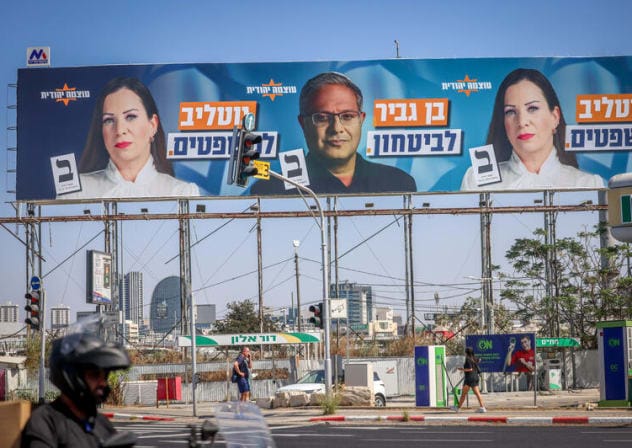
In the old interview, Haddad argued that greater integration of Arab Israelis into the country’s decision-making institutions could eventually help advance Israeli-Palestinian peace.
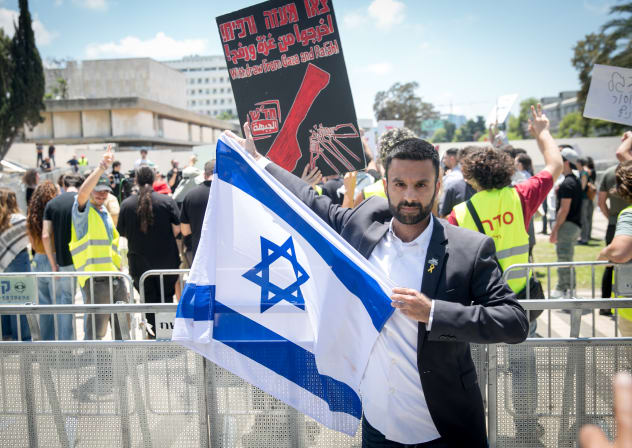
After weeks in which a significant part of the political battle was also being fought within the blocs themselves, parties are now looking for seats they can bring in from outside their own camp.

Which parties Likud would seek to bring into a coalition, and whether those parties would be willing to join such a government, will become clear only after the election.
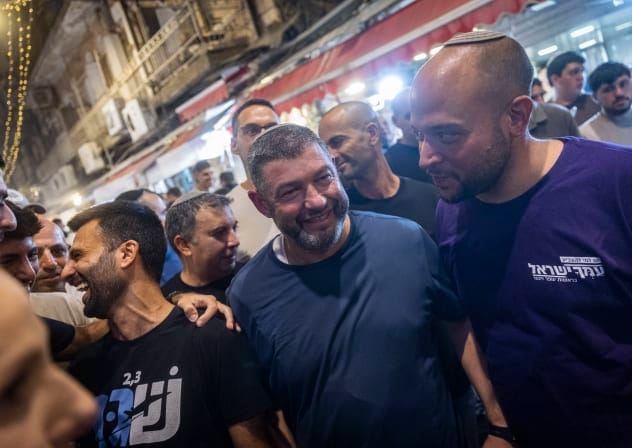
The Public Committee Against Torture in Israel and the nonprofit Voting for Israel filed petitions arguing that the video constituted election propaganda produced through the use of public assets.
