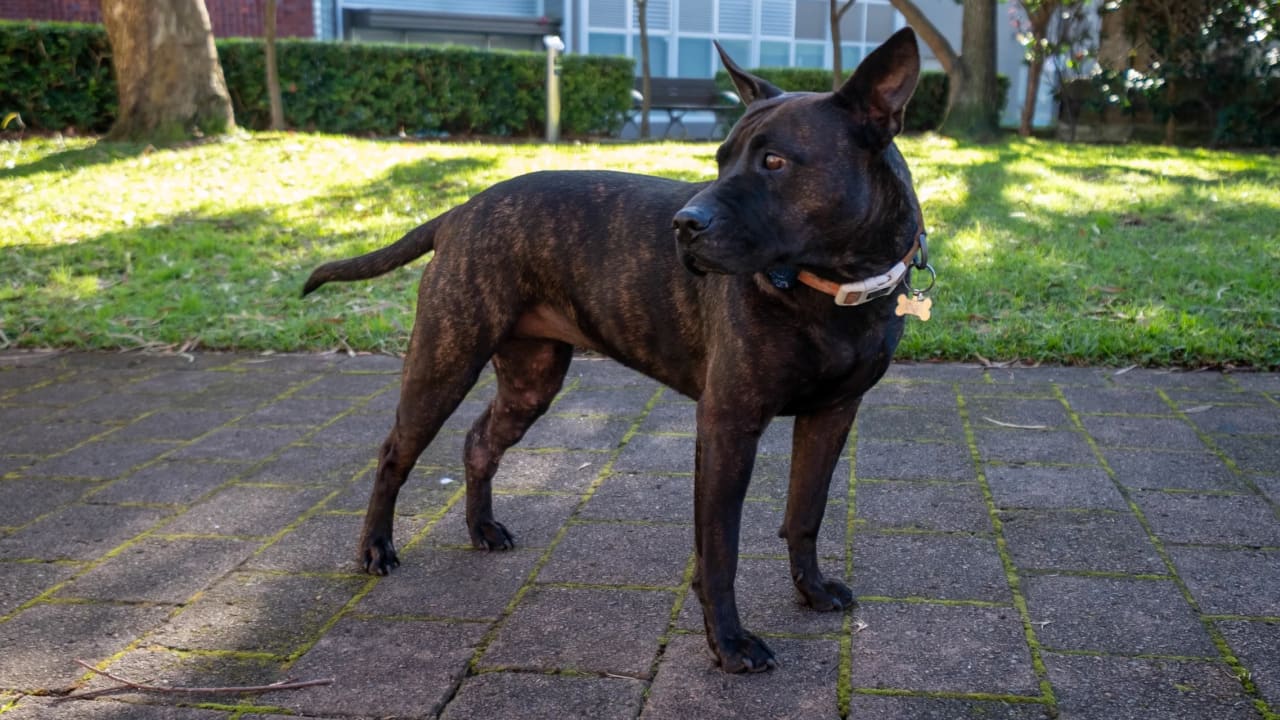
An experimental, personalized mRNA cancer vaccine designed for a Sydney dog named Rosie has shown rapid tumor reduction after classical treatments failed. Within weeks of administration, Rosie's tumors were reported to have shrunk by approximately 50% to 75%. Her condition improved markedly, with increased activity and a return to behavior observed before the illness. The scale and speed of the change surprised both the owner and senior researchers.
Veterinarians gave up
Paul Conyngham, a tech entrepreneur and A expert, pursued the project after veterinarians gave Rosie only a few months to live following a mast cell tumor diagnosis in 2024. He sequenced DNA from both tumor and healthy cells to identify mutational changes and isolate neoantigens—defective proteins found only on cancer cells. He then used a neural network to analyze results and prioritize targets with algorithms, including Google DeepMind’s AlphaFold, to model protein structures. AI tools, including ChatGPT, helped him plan the work and decipher complex genetic data, streamlining a discovery process that in traditional settings can take months or years.
https://x.com/pubity/status/2033214798159122745?s=20
Conyngham independently developed a treatment strategy and formulated a vaccine tailored to Rosie's tumor profile. He relied on expert collaboration to translate his computational findings into a therapeutic product. Scientists at the University of New South Wales (UNSW) and the University of Queensland assisted in synthesis. The UNSW RNA Institute’s Professor Páll Thordarson completed the vaccine in under two months.
A first for a dog
Professor Thordarson confirmed it is “the first time a personalised cancer vaccine has been designed for a dog,” according to International Business Times UK. He said the approach holds potential for human applications, while emphasizing the need for rigorous studies.
Associate Professor Martin Smith of UNSW described the initial request to sequence a private individual’s dog as unusual, noting Conyngham’s persistence.
After sequencing, AI methods filtered thousands of observed mutations to find those most likely to elicit an immune response. Protein-structure predictions then helped prioritize targets for a bespoke mRNA sequence.
The outcome has encouraged researchers to consider whether similar pipelines could accelerate development of patient-specific vaccines against other cancers in people.
“AI allows us to do things that were previously impossible for a single person,” Conyngham said.