Norway likes to see itself as a moral lighthouse in a stormy geopolitical sea.
From its role in the Oslo Accords to its careful cultivation of an image as a humanitarian superpower, the Scandinavian state has built an enviable brand: rich in oil, richer in conscience.
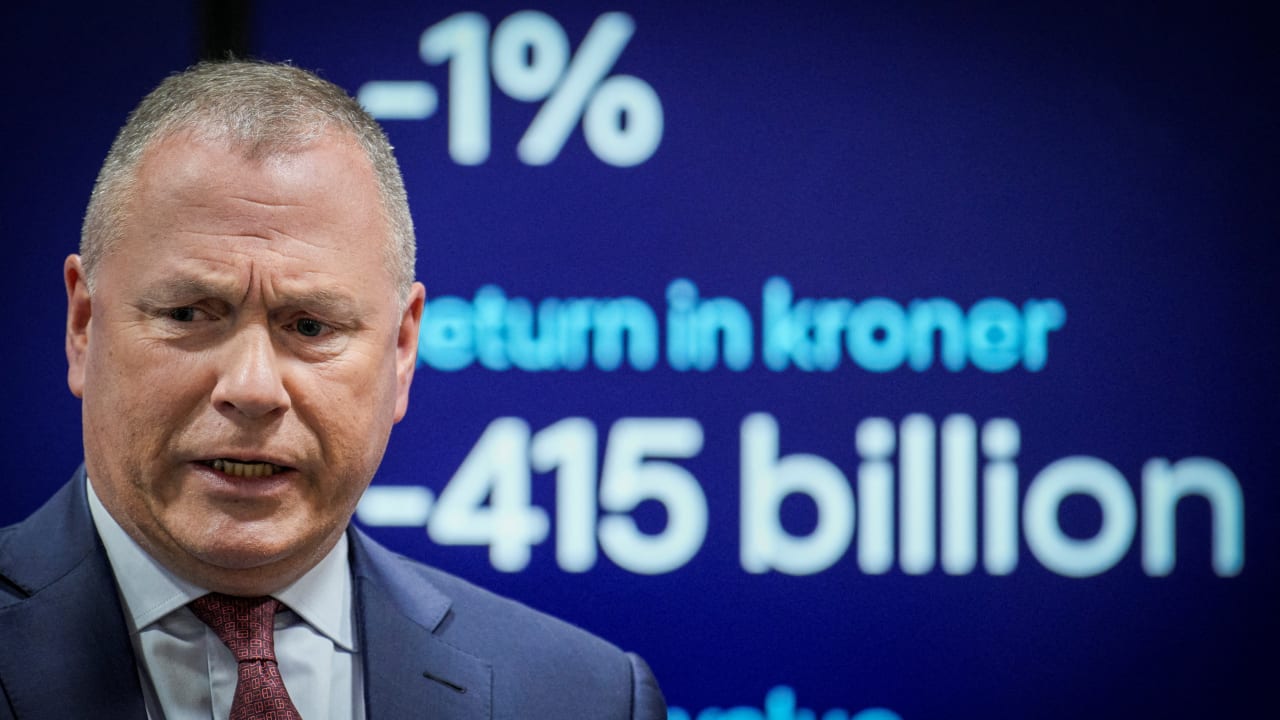
The world knows its sovereign wealth fund – the largest in existence – not just for its staggering $1.7 trillion in assets, but for its so-called “ethical guidelines.”
These guidelines now once again shine their beam on Israel, as both the Norwegian Sovereign Wealth Fund (under CEO Nicolai Tangen) and KLP, the country’s largest pension fund, announce divestments from Israeli companies tied to the Israel-Hamas War, West Bank settlements, and alleged violations of international law.
The accused
The targets range from drone component manufacturer NextVision to supermarket chain Rami Levy, from property developers like Levinstein to national icons like El Al. Many are not household names outside Israel, but they are deeply woven into the nation’s economic and social fabric.

This is not the first time Norway has acted: previous divestments have hit Israeli banks, telecom firms, and energy companies. The stated reason is consistent – opposition to settlement activity and military operations in disputed territories.
The message is blunt: Norway’s money will not be complicit in what it defines as breaches of international norms. This is ethics, we are told, with a balance sheet.
<strong>Selective morality</strong>
Yet here lies the paradox. The same oil-funded sovereign wealth that lectures the world on humanitarian values owes its very existence to fossil fuel extraction – a practice contributing to a climate crisis disproportionately devastating to vulnerable populations in the Global South.
The same funds invest billions in countries whose human rights records make Israel’s look like a Scandinavian summer picnic. China? Check. Saudi Arabia? Check. Multinationals accused of labor exploitation in Southeast Asia? Also check.
Ethics in investing, when selectively applied, morph into politics dressed as morality. It is easier, it seems, to pressure a democratic state – where the media is free, and corporate decisions are transparent – than to confront regimes that will not politely accept a Norwegian press release.
Virtue signaling
Let us be clear: humanitarian concern is not only legitimate, it is necessary. However, true moral consistency demands a comprehensive audit of one’s entire portfolio, not a carefully curated list that conveniently reinforces domestic political narratives. When Norway’s ethical filters single out Israel while leaving major stakes in authoritarian economies untouched, the “guidelines” risk being seen less as moral compasses and more as political weather vanes.
The practical effect? Israeli firms lose access to some of the world’s deepest capital pools. Norway’s taxpayers, meanwhile, feel reassured that their money isn’t “supporting the occupation.” And the global investment community learns that in the moral marketplace, some sins are punished swiftly, while others are overlooked entirely.
Opportunity and warning
For Israel, these divestments are not just a loss – they’re a signal. The reputational risk of operating in contested territories is no longer theoretical; it translates into capital flight. Israeli companies will need to diversify their investor base, court markets less swayed by Northern European moral frameworks, and ensure robust compliance narratives for global audiences.
For the rest of the world, the Norwegian case is a warning: Today it’s Israel, tomorrow it could be any democracy facing a protracted conflict or unpopular security policy. Ethical investment is a powerful idea, but without universality, it becomes just another geopolitical tool.
In the end, perhaps the real question isn’t whether Norway is right or wrong to divest – but whether it’s willing to hold all nations, including itself, to the same moral standard.
The writer is a professor of economics at Ariel University.