For over nine years, the world largely acquiesced to Saudi Arabia’s military intervention in Yemen, framed as a critical counterterrorism operation and a bulwark against Iranian influence. Yet, an analysis reveals a strategic catastrophe: a reckless campaign that not only ravaged Yemen but inadvertently engineered a profound strategic victory for Tehran, directly jeopardizing the security interests of both Israel and the United States.
The premise that this was a war for anything other than a regional power play, financed by vast petrodollars and enabled by Western arms, has been unequivocally disproven by its devastating outcomes.
The Saudi-led coalition, brimming with confidence in 2015, pledged a swift victory against the Houthis. Instead, the conflict degenerated into a protracted quagmire, creating a severe humanitarian crisis. Crucially, it fostered the emergence of a resurgent, heavily armed Houthi movement, now a formidable and aggressive proxy of Iran.
The Houthi threat is the direct result of Saudi miscalculation
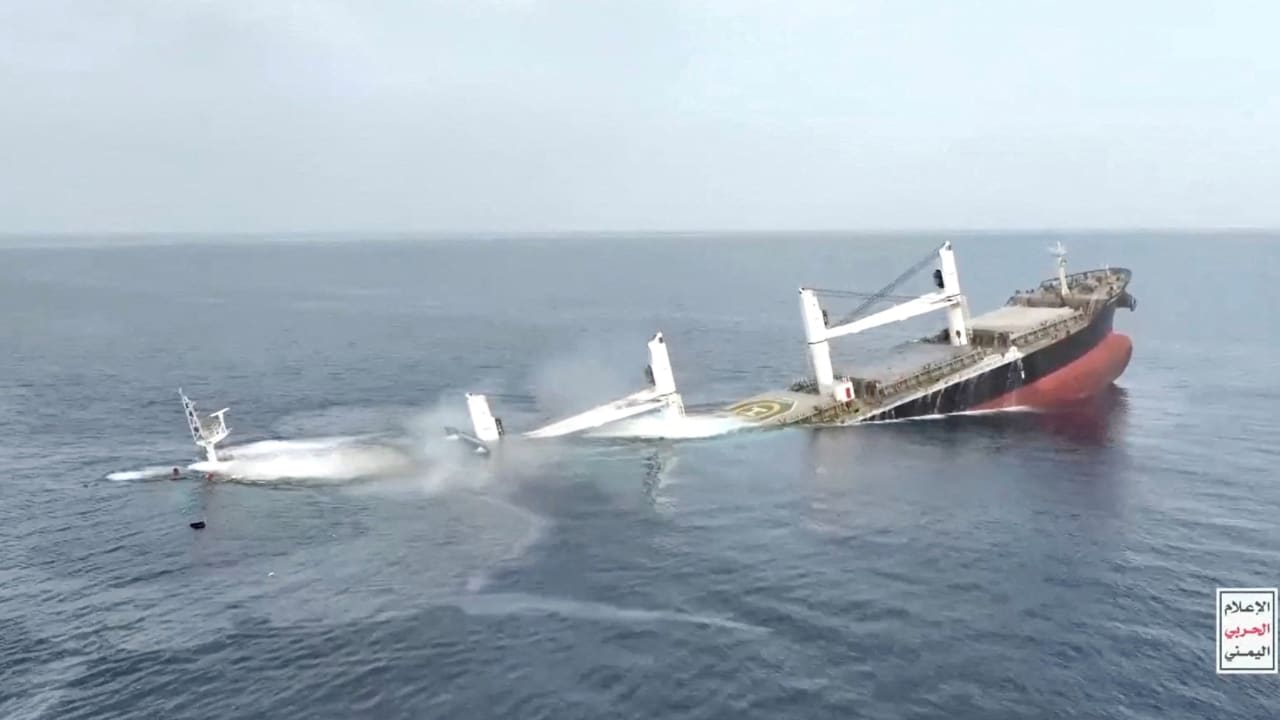
This Houthi force now poses a direct, existential threat to Israeli navigation and sovereignty, consistently targeting US naval assets in the Red Sea and disrupting global maritime commerce. This wasn’t an unforeseen consequence; it was the direct, foreseeable byproduct of Saudi Arabia’s hubris and strategic miscalculation.
Recent events starkly underscore this new reality. The Houthis are no longer a localized insurgency. They are launching drones and missiles at Israel with alarming regularity. Just days ago, Israeli jets conducted retaliatory airstrikes on Houthi targets in Yemen, a testament to the direct and immediate danger posed to Israel’s southern flank and maritime approaches.

The Houthi aggression has crippled Israel’s port of Eilat, with operations plummeting by 85% and the port reportedly declaring bankruptcy, forcing vital shipping to undertake costly and time-consuming detours around Africa. This strategic incapacitation of a key Israeli economic and logistical artery is a direct result of the Houthi’s enhanced capabilities, cultivated during the protracted Saudi war.
The sheer human cost, while not directly tied to immediate security concerns, highlights the underlying instability that Saudi policy exacerbated. Over 377,000 lives have been lost due to war-related causes, many succumbing to preventable diseases and starvation exacerbated by relentless Saudi airstrikes and blockades.
Saudi warplanes, often American-manufactured, indiscriminately targeted civilian infrastructure: schools, hospitals, and vital water facilities. This systematic destruction, ostensibly to weaken the Houthis, instead fueled resentment, created ungoverned spaces, and inadvertently strengthened the very adversary it sought to defeat.
Tracing the threat back to Iran
From a strategic perspective, the principal beneficiary of this conflict is undeniably Iran. The Houthis, initially a disparate, indigenous rebel group, have been transformed into Tehran’s most potent and aggressive non-state actor in the Arab world. They now possess a sophisticated arsenal of Iranian-supplied ballistic missiles and advanced drones, extending Iran’s arc of influence far beyond its immediate borders.
Their declared war on Israel, manifested in missile launches toward Eilat and attacks on commercial shipping, directly impacts US and Israeli security. Rather than containing Iran, Saudi Arabia’s intervention created a new, robust southern front for the Islamic Republic, forcing Israel and the US Navy to expend significant resources cleaning up a mess that Riyadh largely created. We see this in the ongoing US and allied naval presence in the Red Sea and Israeli defensive actions against Houthi projectiles.
While the current US administration has taken decisive action in re-designating the Houthis as a Foreign Terrorist Organization and conducting military strikes to counter their aggression, the underlying issue of Saudi Arabia’s failed policy in Yemen remains. The uncritical support for Riyadh, even when its actions directly undermine shared security objectives, demands reevaluation.
Israel, a democratic ally, consistently provides vital intelligence and acts as a bulwark against regional extremism, without demanding direct military intervention from the US. In contrast, Saudi Arabia, despite its purported modernization efforts, maintains a deeply problematic human rights record, continues to propagate extremist ideologies through certain channels, and increasingly hedges its bets by deepening ties with Beijing and engaging in diplomatic overtures with Tehran.
The recent re-designation of the Houthis as a Foreign Terrorist Organization by the US is a crucial step in signaling resolve and disrupting their illicit networks. However, this measure, while necessary, does not address the fundamental strategic miscalculation that allowed the Houthis to achieve their current dangerous capabilities.
People committed to safeguarding Israeli security and US interests must recognize that while immediate tactical responses to Houthi aggression are essential for protecting Israeli shipping and US interests, a deeper strategic pivot is required.
The writer, a fellow at the Middle East Forum, is a policy analyst and writer based in Morocco. Follow him on X @amineayoubx.