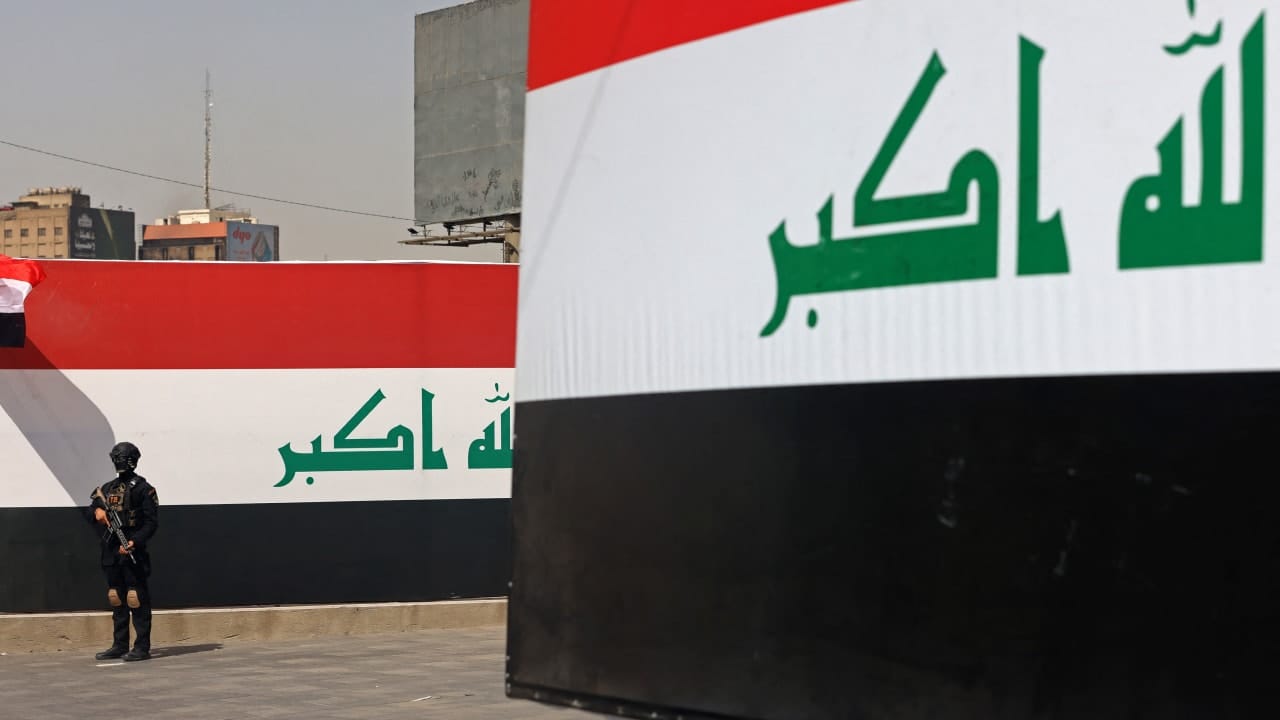
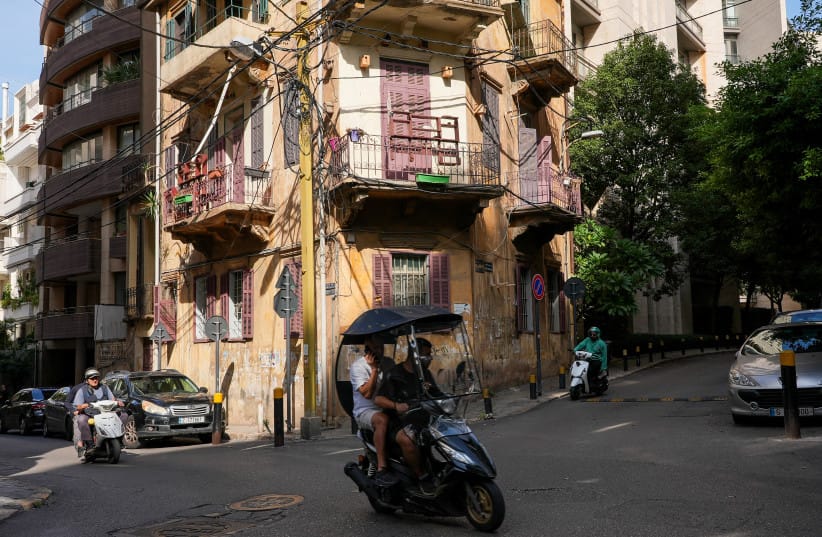
Former Iraqi parliamentarian Ahmed Al-Alwani was found dead in Beirut on November 10, according to Lebanese media reports. His body was reportedly discovered in an apartment in the Tariq Al-Jadida neighborhood of the Lebanese capital, several days after he went missing. Al-Alwani, 57, was a Sunni Iraqi politician from Anbar province who had previously spent more than a decade in prison under a death sentence before being released in 2025.
Lebanon’s MTV reported on November 10 that Al-Alwani had been kidnapped after being lured to a location in Beirut four days earlier. He was then taken to an unknown destination. The Iraqi Embassy in Lebanon said its ambassador was personally following the case and was in direct contact with Lebanese security agencies and Al-Alwani’s family to determine the circumstances of his disappearance.
Al-Alwani's family informed authorities that he was missing for four days
Later on November 10, MTV reported that the former lawmaker’s body had been discovered in an apartment in Tariq Al-Jadida. Al Jazeera also reported the discovery, citing a Lebanese security source. According to the report, Lebanese security services had launched an investigation into the circumstances surrounding his death.
Al Hadath noted that initial information indicated a rope had been found around the victim’s neck. The circumstances of his death and the identity of those responsible have not been established. Sky News Arabia, citing Lebanon’s National News Agency, reported that the Public Prosecutor at the Court of Cassation was following the investigation.
Meanwhile, Al Arabiya added that Al-Alwani’s family had informed the Iraqi Embassy that he had been missing for four days. The network described him as an opponent of Iran-backed factions. Al Hadath also dispatched journalists to the family’s home in Ramadi, Iraq, highlighting the attention the case was receiving in his home province.
Al-Alwani had a long and controversial political history in Iraq. He was a prominent figure in the Albu Alwan tribe, one of the largest tribes in Anbar province, and served as chairman of the Iraqi parliament’s Economic Committee. He was also known for supporting protests against Iraq’s then-Shi'ite-led government.
In December 2013, Iraqi security forces raided his home in Ramadi and arrested him. His brother and several other people were killed during the operation. The BBC reported at the time that Al-Alwani was wanted on terrorism charges and had backed protests against the government.
Raid took place before ISIS expanded into western Iraq
The raid took place during a period of growing tensions between the Iraqi government and Sunni communities in Anbar, shortly before ISIS expanded its control over parts of western Iraq.
In 2014, Iraq’s Central Criminal Court sentenced Al-Alwani to death after convicting him of intentional homicide. His case subsequently became the subject of a prolonged international campaign. This came in the context of Iraq then being run by pro-Iranian factions and in the midst of the ISIS war. Sectarian tensions were running high.
The Inter-Parliamentary Union (IPU) said in May 2026 that Al-Alwani had been held incommunicado, tortured and sentenced to death by hanging despite the parliamentary immunity he should have enjoyed as a lawmaker.
The organization said its Committee on the Human Rights of Parliamentarians had followed his case for more than a decade, repeatedly calling for his release. A breakthrough came in 2023 when an IPU delegation visited Baghdad and met Iraqi leaders, Al-Alwani’s family, his lawyers and the imprisoned politician himself.
The IPU said the diplomatic efforts, combined with mediation by tribal leaders and cooperation from Iraqi authorities, contributed to his acquittal and release in 2025 after 12 years in prison.
“This outcome is a testament to the power of persistent advocacy, dialogue and international solidarity,” IPU Secretary General Martin Chungong said in May.
Al-Alwani’s reported killing comes less than two years after his release and raises new questions about the circumstances surrounding his disappearance in Lebanon. Lebanese authorities are investigating the case, but no suspects or motive have been publicly established in the reports available so far.