Talks between the United States and Iran are stuck, two regional sources told The Jerusalem Post.
In recent days, efforts were made to achieve a breakthrough in negotiations between Tehran and Washington and to secure significant progress that could avert an American military strike. The efforts involved several mediators, including Qatar, Russia, and China.
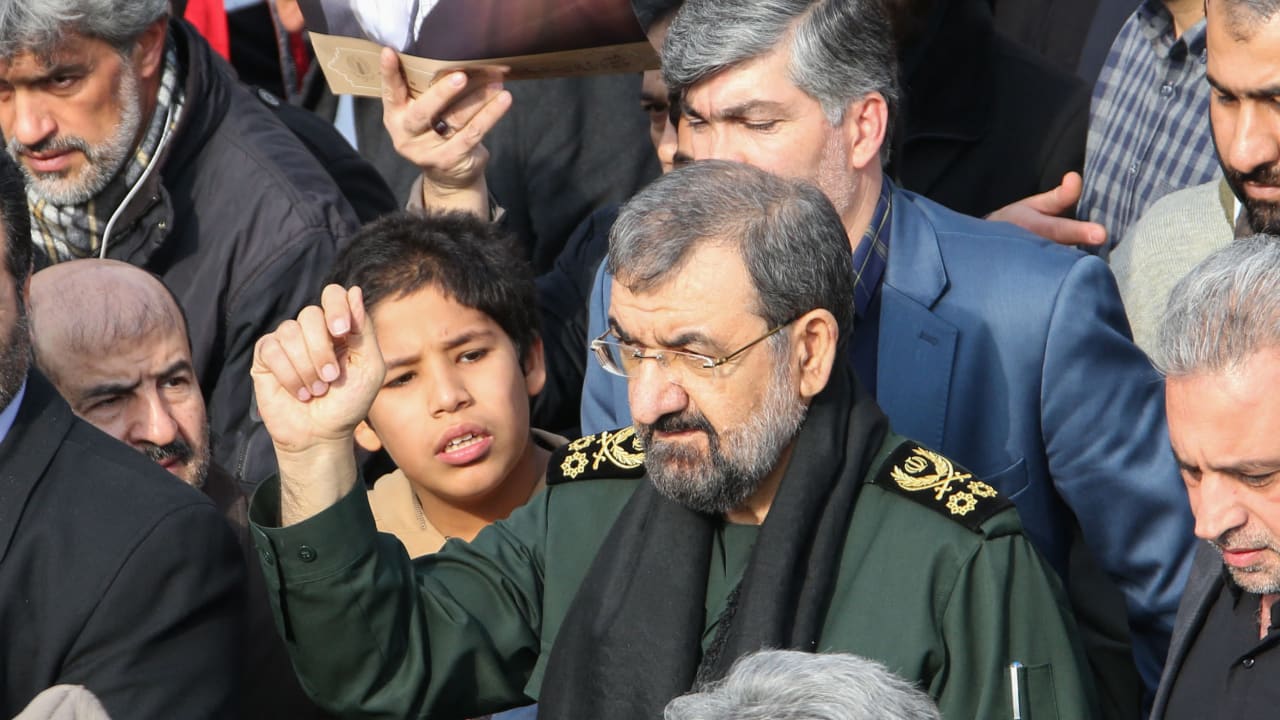
Iranian Supreme National Security Council Secretary Mohsen Rezaei, who recently received a letter from US Vice President JD Vance, wrote on Tuesday on X/Twitter that “the United States’ response regarding Iran’s rights and demands was not convincing.”
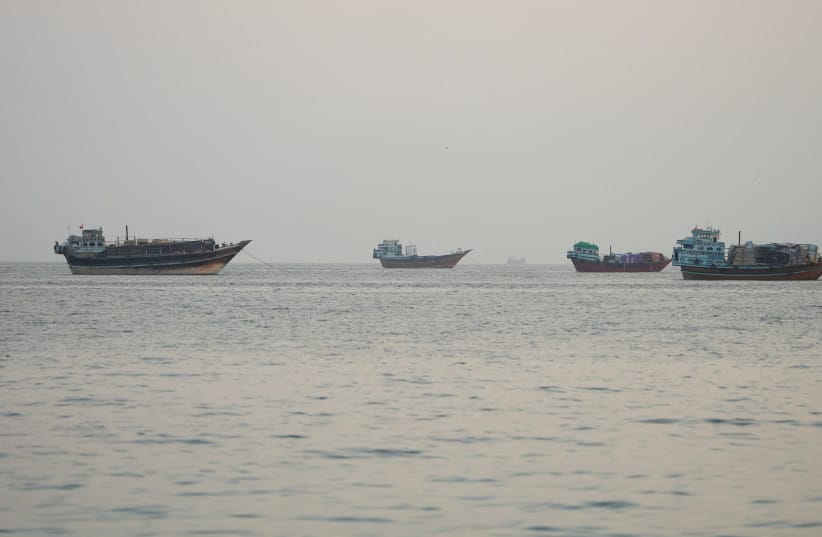
Rezaei stressed that Washington must provide a full and explicit response to Iran’s seven conditions. Only then, he said, would “the Strait of Hormuz be opened.”
Among Iran’s demands are a complete cessation of the war, including in Gaza and Lebanon; the comprehensive lifting of all sanctions; the return of Iran’s frozen assets; compensation for war damages; international guarantees against future attacks; and recognition of Iranian sovereignty over the Strait of Hormuz.
US sends additional military forces to region
Meanwhile, the US military continues to reinforce its forces in the region.
Several US military cargo aircraft departing from Fort Bliss were tracked arriving at bases in Israel, according to flight-tracking data from FlightRadar24. Fort Bliss, located in El Paso, Texas, serves as a major US Army center for air and missile defense command, training, and operations. The base also houses missile interceptors and air-defense systems.
Several other cargo aircraft from the same base landed in Israel in recent days.
In addition, the USS Theodore Roosevelt aircraft carrier and its strike group were tracked near the Strait of Malacca in Asia. This means that the carrier is expected to reach the US Central Command (CENTCOM) area of responsibility by next week, potentially bringing the number of US aircraft carriers in the Middle East to three, a level of military presence not seen during previous operations.
US officials told The New York Times that CENTCOM had prepared plans for strikes against Iran as early as Wednesday, following the US midterm elections.
“The decision on whether to carry out the strike rests with the US president,” the officials said.