
IDF Col. Sharon Asman's funeral was held at the Kiryat Shaul Cemetary on Sunday afternoon.
Asman collapsed and died on Thursday during a combat fitness drill at the Beit Lid camp near Netanya. He received medical treatment on the spot before being pronounced dead. The circumstances of his death are under investigation.
Asman was a commander of the Nahal Brigade and had taken the position just two days prior to his death. He is survived by his wife and two children.
"Sharon was a commander whose character spoke for itself - professional, thorough, unflappable, brave, decisive and balanced. A man of thought and action, and a gentleman," said Chief of Staff Lt.-Gen. Aviv Kohavi, speaking at Asman's funeral.
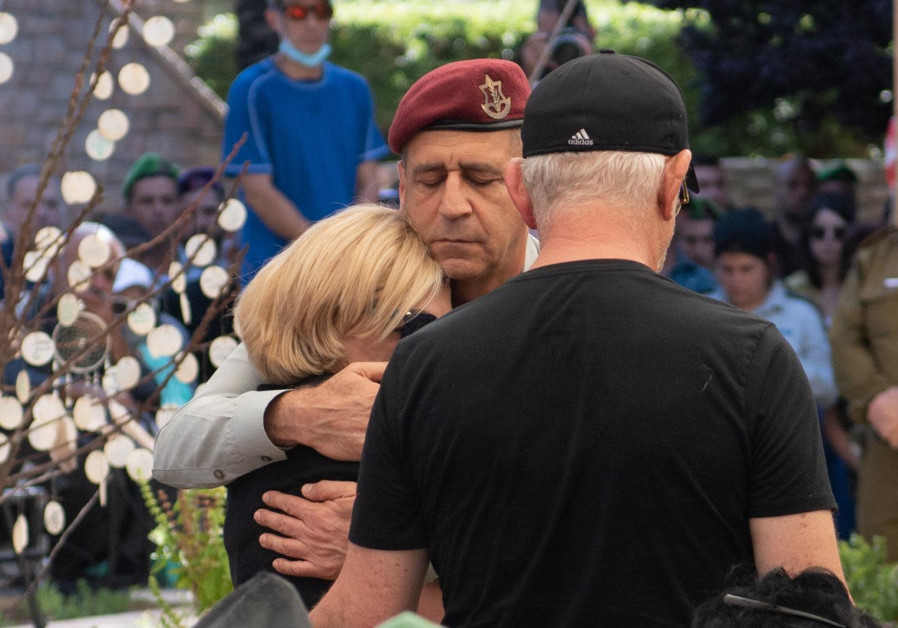
Politicians and officers expressed their condolences, noting Asman’s exemplary character and impressive life achievements.
Prime Minister Naftali Bennett sent his condolences to the family, saying “Asman was one of the best,” who “contributed his best years to maintaining Israel’s security. His untimely death is an unfortunate and painful event.”
Prime Minister Naftali Bennett sent his condolences to the family, saying “Asman was one of the best,” who “contributed his best years to maintaining Israel’s security. His untimely death is an unfortunate and painful event.”
Asman was a registered organ donor, and his family has announced that his organs will be donated. His corneas will be transplanted to patients in need.
On Saturday evening, the IDF said it would establish a medical investigation committee into the sudden collapse and death of Asman.
Tobias Siegal and Anna Ahronheim contributed to this report.
On Saturday evening, the IDF said it would establish a medical investigation committee into the sudden collapse and death of Asman.
The committee will be headed by a senior medical officer who specializes in the relevant field and will investigate the medical aspects pertaining to the circumstances of the officer's death, the spokesperson said.
The committee will examine broad medical issues regarding the incident and within them the use of resuscitation devices and preventive medical care.
Tobias Siegal and Anna Ahronheim contributed to this report.