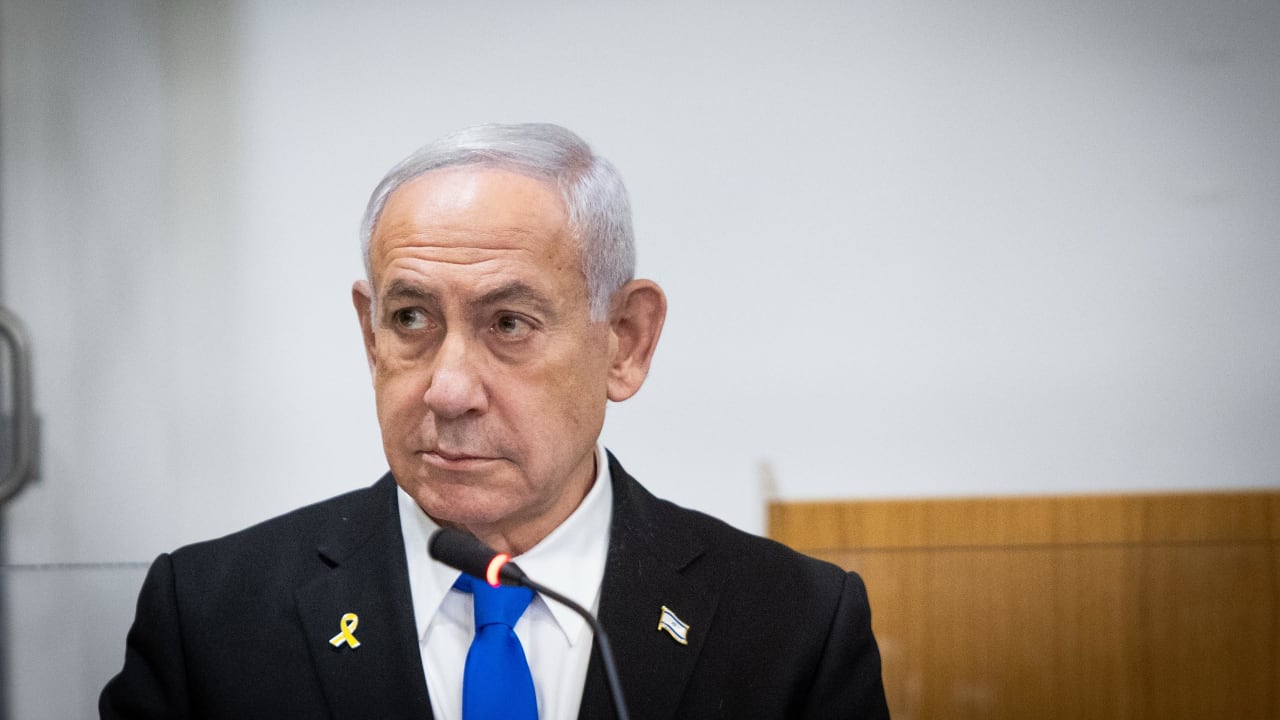
Tensions flared Monday in the Tel Aviv District Court as prosecutors pressed Prime Minister Benjamin Netanyahu on inconsistencies in his account of his relationship with former aide and state witness Nir Hefetz, during a key phase of cross-examination in Case 4000.
Also known as the Bezeq-Walla affair, Case 4000 centers on allegations that Netanyahu granted regulatory benefits worth hundreds of millions of shekels to Bezeq's controlling shareholder, Shaul Elovitch, while serving as communications minister, in exchange for favorable and interventionist coverage of himself and his family on the Walla news website, which Elovitch then owned.
The prosecution alleges a quid pro quo arrangement amounting to bribery, while Netanyahu denies the existence of any such deal, arguing that regulatory decisions were professional and lawful and that media coverage was neither controlled nor consistently favorable.
The trial has been ongoing since 2020. After months of direct examination by his defense team, prosecutors are currently conducting cross-examination, seeking to challenge his credibility and the coherence of his version of events.
At the center of Monday’s hearing was Netanyahu’s depiction of Hefetz’s role following the 2015 elections. Netanyahu has repeatedly claimed that after the government was formed, Hefetz served only as a private family adviser, primarily in communications with his wife, and played no meaningful professional or political role.

Prosecutor Yehudit Tirosh disputed that account, presenting evidence and prior testimony indicating that Hefetz continued to be involved in non-family matters, including media-related initiatives and political communications, for an extended period after the elections.
According to the prosecution, these activities included consultations regarding public broadcasting, Channel 20, and efforts to promote the establishment of a new television news outlet.
Testimony by Hefetz, portions of which were read in court, describes Netanyahu as the driving force behind attempts to encourage the creation of a privately owned news channel, including meetings with potential investors in 2016.
Netanyahu denies ongoing ties to state witness Hefetz
Netanyahu acknowledged some contact with Hefetz during that period but rejected the characterization of ongoing involvement. He argued that any meetings were infrequent, spread over time, and related to general entrepreneurial initiatives that did not mature. Hefetz, he said, acted independently and was not his employee.
Tirosh focused on Hefetz’s continued receipt of a monthly salary of approximately NIS 28,000 from the Likud party after the elections, while allegedly serving as a communications adviser to both the party and Netanyahu himself.
She suggested that the arrangement reflected a broader practice of employing Netanyahu’s advisers through party mechanisms, enabling continued professional ties after the formal end of government roles.
Netanyahu said he did not recall the salary arrangement and denied that it demonstrated concealed or improper relationships. He accused the prosecution of selectively presenting facts and framing routine political conduct as criminal.
The hearing also touched on Netanyahu’s familiarity with testimony given by a police investigator in court the previous week, prompting prosecutors to question how he had been exposed to it. Netanyahu responded that the details had been widely reported and discussed publicly.
Monday’s session was held in a shortened format. Proceedings were curtailed due to a Knesset session later in the day and concluded early to allow participants to attend the funeral of former Beersheba District Court President Judge Benny Sagi, who died in a motorcycle accident on Sunday.
Cross-examination in Case 4000 is expected to continue in the coming days, as prosecutors seek to test Netanyahu’s narrative against the testimony of state witnesses and the broader evidentiary record.