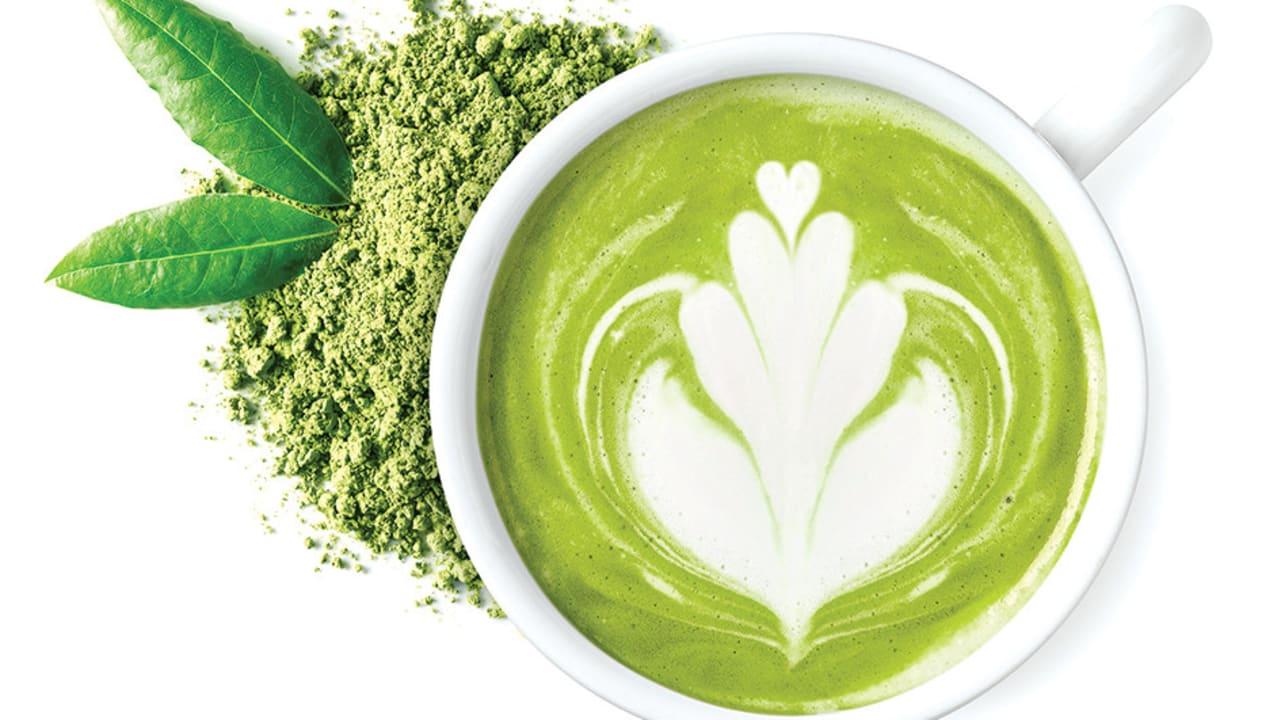

In the ancient, winding streets of Jerusalem, a modern obsession is bubbling up, which is as vibrant and intriguing as the city itself: the hunt for the perfect cup of matcha. This finely ground green tea, a staple of Japanese tradition and darling of the wellness world, has found its way into the heart of the Holy City. From sun-drenched café terraces overlooking historic rooftops to hidden gems tucked away in quiet courtyards, locals and visitors alike are increasingly craving this emerald elixir.
But can the delicate art of matcha truly flourish in a place famous for its strong coffee and bustling shuk? After diving into Jerusalem’s blossoming matcha scene, chasing down the brightest greens and the most harmonious sips in this city suspended in time, Jerusalem keeps its matcha options quiet – perhaps because Israel’s other culture havens are putting up fierce competition.
Matcha, the vibrant green tea enjoyed globally, began its journey not in Japan but in Tang Dynasty China (618-907 CE), where powdered tea was whisked for consumption (matcha means “ground tea” in Japanese). Zen Buddhist monks in particular valued its ability to enhance focus during meditation.
In 1191 CE, Japanese Zen monk Eisai Myoan brought tea seeds and powdered tea methods from China to Japan. He championed its health benefits, and it became popular among the nobility and samurai.
A significant breakthrough came in the 15th-16th centuries when Japanese tea growers discovered that kabusecha – growing tea plants in the shade before harvest – dramatically improved the flavor, making it less bitter and more umami: the fifth basic taste alongside sweet, sour, salty, and bitter. Discovered in the early 1900s, umami is often described as a savory, meaty, and mouthwatering flavor that enhances other tastes, as well as matcha’s vibrant green color. This technique, and the refinement of the Japanese tea ceremony by figures such as Sen no Rikyu, solidified the tea’s place in Japanese culture as a meditative and aesthetic practice.

While the consumption of powdered tea faded in China, it continued to be perfected in Japan. Today, matcha enjoys global popularity, driven by its purported health benefits, unique flavor, and visual appeal, bringing this ancient tradition to new places like Jerusalem.
The search for matcha in Israel’s capital was not nearly as simple as searching for it in Tel Aviv. Though matcha lattes can be found at nearly every coffee shop in the seaside city, finding matcha options in Jerusalem was considerably harder – before taking into account the tea’s shortage that has plunged enthusiasts into despair.
The hunt for Jerusalem's best matcha
THE HUNT began at Café Shemesh, downstairs from The Jerusalem Post’s office and a stone’s throw from the Central Bus Station and the Yitzhak Navon train station. This restaurant holds a special place in the hearts of the JPost staff, being our easy and delicious coffee break and lunch spot. The kosher dairy restaurant has an assortment of pastas, sandwiches, salads, baked goods, and much more, as well as a plethora of beverages. We were shocked to find that they did indeed have matcha.
It was fine; nothing that really stood out about the beverage, other than that it was incredibly sweet. Too sweet for my taste, but it is possible that sweetened almond milk was used, accounting for the additional sweetness. Honestly, though, there are worse problems to have with a matcha drink, namely bitterness. This might not have been the best of those sampled, but we’d certainly give it another try. Perhaps next time, it would be worth it to try the matcha hot with a different type of milk, such as oat, soy, or regular.
WE CONTINUED the quest and headed to Café Liba, getting another iced matcha with almond milk. It had a different taste than Shemesh’s, but it was not particularly noteworthy. The beverage was okay, maybe even good. But the customer service did not add up.
A colleague who came for the tasting ordered a sandwich and coffee as she was working away reporting on Diaspora affairs. Little did we know that we were in a section of the café that didn’t allow computers. My colleague put up a fight, especially since there was no signage denoting the computer-free zone – but the only response was rude and relatively aggressive orders for her to move.
Later, we learned from another colleague – who frequents Liba and recommended it for our matcha search – that it was “known” that you don’t work on your computer in that café. That seemed odd, since many people were using computers, just not in that section. Plus, how would someone visiting the café from outside of Jerusalem know? If you weren’t a regular and just wanted to try their matcha, like we did, how would the computer restriction be communicated without signs?
Regardless, what could have been an amazing matcha experience was sullied by how we were spoken to when being told – not asked – to move. The matcha was good, but based on this experience we probably won’t rush back.

THE GLOBAL matcha market is experiencing a significant shortage, driven by a surge in worldwide demand, coupled with the limitations of traditional, labor-intensive production methods. Key factors contributing to this scarcity include the slow, meticulous process of shade-growing and stone-grinding the tea, an aging farming population in Japan leading to reduced labor, and increasingly unpredictable weather patterns caused by climate change that impacts tea yields.
This imbalance between soaring demand and constrained supply has resulted in higher prices, limited availability for consumers and businesses, as well as concerns about maintaining quality as the industry struggles to keep pace.
Jerusalem cafés have felt the impact of the shortage. On two different occasions in the last week, we visited Power Coffee Works on Jaffa Road to learn that they had just run out of the fine green tea powder that makes matcha and had not yet replenished when we tried again days later, with a kind employee mentioning the global shortage.
ACROSS THE street at You Need Coffee, a specialized shop focused on coffee beans and producing a strong cup, matcha was readily available, though the shortage was discussed. The woman who served us was the wife of the café owner’s son. They are a half-Japanese family who embraced matcha as part of their culture, sharing it with the other part of their world at home in Jerusalem. Here, almond milk was not available, so we opted for oat milk. The first time I had oat milk in a matcha latte, and I didn’t like it. It wasn’t sweet enough, or something just felt missing.
However, at You Need Coffee, my opinion was swayed. Not only was the customer service wonderful, but it was definitely in the top two for our limited search. The server even offered to add other flavors to our beverages, like vanilla and caramel. I declined, but my colleague added vanilla and was very pleased. She said it was her favorite of the matchas sampled that day.
THEN AT Infused Jerusalem, another local shop focusing on infused teas and beverages with natural flavors that include different fruits instead of coffee, we were surprised to find matcha. Served in petite glasses or to-go, the matcha was prepared slowly and with care. M, a breaking news desk manager, shared her thoughts on her beverage:
“At first glance, the iced matcha with oat milk from Infused Jerusalem didn’t appear to be very strong, based on the pale green color,” she said. “However, upon tasting, it had a very gentle but distinct matcha flavor, a perfect alternative to an afternoon coffee.” For another member of the breaking news team, this was her first time tasting the tea. “It was yummy, and I thought it tasted like milky concentrated green tea,” she commented.
This matcha was accompanied with great conversation from the Italian-born café worker preparing the drink. The emphasis in flavor here seemed to be more on the oat milk with a splash of matcha.
AND FINALLY, Beit Ha’am gave us the goods. “Matcha has become really popular in Jerusalem, and for a good reason! It’s healthy, full of antioxidants, and gives a calm, clean energy that’s perfect for any time of day,” according to Jana, an employee who is a a fourth-year architecture student in Jerusalem.
“Whether you’re new to matcha or already love it, you’ll find that it’s a refreshing change from regular coffee or tea,” she said. “And honestly, if you’re looking for the best matcha in the city, you have to try it at my Beit Ha’am. It’s smooth, rich, and made with love.”
Jana proved to be right, as Jerusalem Post editors sampled the iced matcha lattes with two different types of milk: rice-almond and soy. Never having used soy milk myself, this was a new experience for me, but still, not a major difference from the other types of milk. I liked the rice-almond milk, and it was perfect for a cold caffeine-heavy drink on a boiling hot day in the Holy City.
Here, café workers also told us of the matcha shortage. One worker jokingly suggesting that trends of “social media girls in their Alo Yoga outfits coming to drink matcha after their Pilates reformer class” are responsible for such high demand. (Alo Yoga is a clothing brand; the name stands for “air, land, and ocean.”)
After introducing our story, café workers offered to show us exactly how they made the drink. Here, we enjoyed a ton of options to eat, and probably had the best matcha we sampled.
The news of the day beckoned, cutting our caffeinated journey short. We knew that we missed some other rumored matcha hot spots in the German Colony, but when you work in the news world, duty calls on its own schedule.
Jerusalem has room to grow in its matcha-making identity, but what we have tried so far has given us faith that this city can rise to the occasion. Maybe matcha is Jerusalem’s hidden flavor.
Erica Schachne, Maya Gur-Arieh, Yulia Maeva, Shifra Jacobs, and Fraidy Moser contributed to this article.