
In a significant departure from traditional investment strategies, Morgan Stanley's Chief Investment Officer, Mike Wilson, has introduced a bold 60/20/20 portfolio model, allocating 20% to gold and silver. This move reflects a broader institutional shift towards precious metals, emphasizing their role in enhancing portfolio resilience.
The 60/20/20 Portfolio Shift
Historically, the 60/40 portfolio-60% equities and 40% bonds-has been the cornerstone of balanced investing. However, with rising bond yields and diminishing returns from equities, Morgan Stanley advocates for a 60% equity, 20% bond, and 20% gold and silver allocation. This adjustment aims to provide growth through equities, stability via short-duration bonds, and enhanced protection against inflation and market volatility through precious metals.
Gold and Silver: The "Anti-Fragile" Assets
Wilson characterizes gold and silver as "anti-fragile" assets-investments that gain value in times of economic stress. Unlike bonds, which depend on the promise of repayment, precious metals thrive when real interest rates fall and investor confidence in paper assets wanes.
This perspective aligns with the views of other financial experts. Ray Dalio, founder of Bridgewater Associates, recommends a 15% gold allocation, citing its role as a strategic diversifier and a form of downside protection.
Featured Partners (Ad)
Institutional Embrace of Precious Metals
Morgan Stanley's endorsement of a 20% gold and silver allocation is part of a broader trend among institutional investors. Major hedge funds and family offices are increasing their exposure to precious metals, with allocations ranging from 15% to 30%. Sovereign wealth funds have also doubled their gold holdings since 2022, signaling a significant re-evaluation of tangible assets amid ongoing monetary debasement.
Market Dynamics and Future Outlook
The surge in gold and silver prices underscores the growing demand for these assets. Spot gold recently reached a new peak of $3,990.85 per ounce, marking a 51% price increase year-to-date-the biggest surge since 1979. Analysts predict that gold could hit $5,000 per ounce by 2026, driven by factors such as inflation concerns, geopolitical instability, and the potential for central banks to cut interest rates.
Conclusion
Morgan Stanley's recommendation to allocate 20% of investment portfolios to gold and silver represents a paradigm shift in institutional investment strategies. By embracing these "anti-fragile" assets, investors can enhance portfolio resilience and position themselves for potential economic uncertainties ahead.
Don't miss out on the opportunity to invest in Gold & Silver. Check out our featured companies today: (Ad)

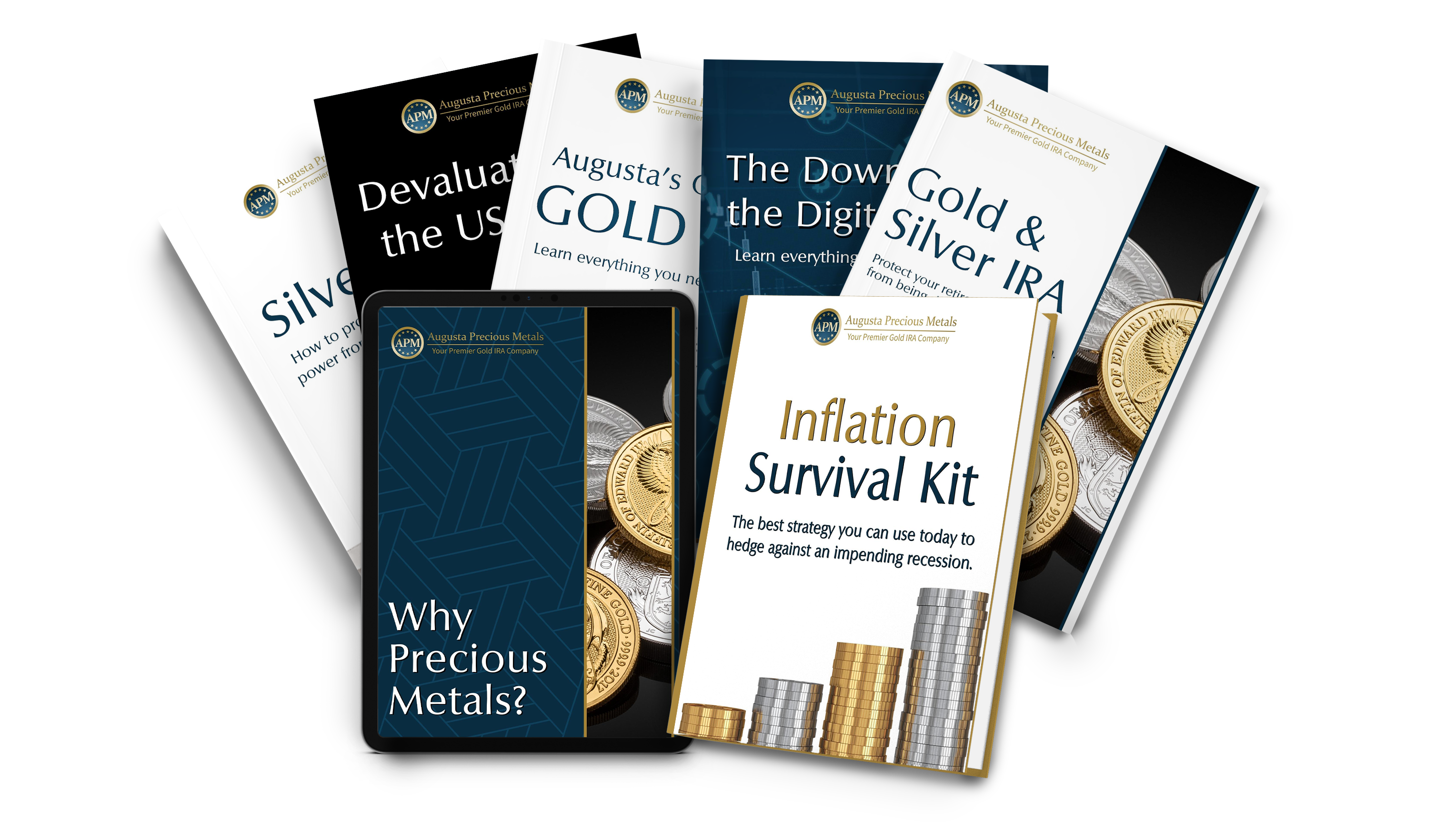
Augusta Precious Metals — Named “Best Overall” by Money Magazine and trusted by high-net-worth investors. Augusta specializes in premium IRA and 401(k) rollovers, offering direct access to educational 1:1 web conferences and U.S. Mint-approved gold and silver.
- Minimum Investment: $50,000
- Fees: $0 storage up to 10 years
- Rating: ★★★★★ (A+ BBB, AAA BCA)

Goldco — With over $2 billion in precious metals placed for customers, Goldco is a leading name in Gold & Silver IRAs and direct bullion purchases. Known for its strong buyback program and industry awards, Goldco offers both IRA and non-IRA investments.
- Minimum Investment: $25,000
- Buyback Guarantee: Yes
- Rating: ★★★★☆ (A+ BBB, AAA BCA)

American Hartford Gold — Ranked #1 Gold Company on Inc. 5000, endorsed by Bill O’Reilly and Rick Harrison. AHG offers flexible IRA rollovers and direct gold & silver purchases, serving over $2B in precious metals to clients nationwide.
- Minimum Investment: $10,000
- Endorsements: Bill O’Reilly, Rick Harrison
- Rating: ★★★★☆ (A+ BBB)
Content quality approved by JPost. JPost oversees the native, paid, and sponsored content on this website and guarantees quality, relevance, and value for the audience. However, articles attributed to this byline are provided by paying advertisers and the opinions expressed in the content do not necessarily express the opinions of JPost.The sponsor retains the responsibility of this content and has the copyright of the material. For all health concerns, it is best to seek the advice of your doctor or a legal practitioner.