Herb Keinon

Herb Keinon is a senior contributing editor and analyst, writing extensively on diplomacy, politics and Israeli society. He has been at the paper for 35 years, 20 of those as its diplomatic correspondent, and during this time has covered up close the major stories that have shaped the nation for more than three decades: from the first intifada to the withdrawal from Gaza; the massive immigration of Soviet Jews to the Rabin assassination; the Ariel Sharon premiership to that of Benjamin Netanyahu. Keinon also writes a popular monthly "light" column on daily life in Israel. A collection of these columns, French Fries in Pita, was published in 2014. Keinon lectures widely in Israel and around the world on political and diplomatic developments in the country. Originally from Denver, Keinon has a BA in political science from the University of Colorado, Boulder, and an MA in journalism from the University of Illinois, Champaign-Urbana.

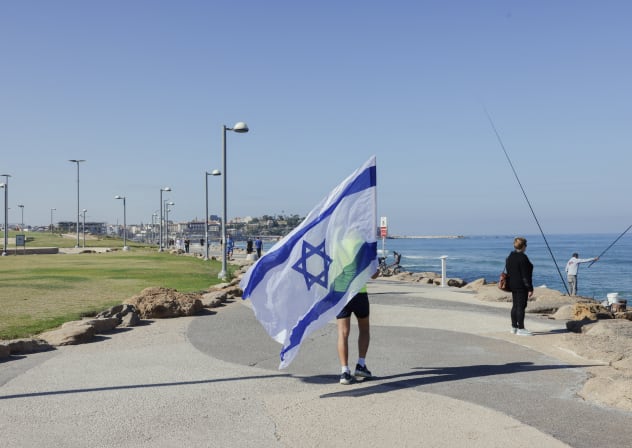
A man runs with an Israeli flag at the beach in Tel Aviv, Israel, on April 22, 2026, during a temporary ceasefire in the conflict involving Iran, the United States, and Israel. The ceasefire remained in place after Washington extended it on April 21; illustrative

How Israel lost four elections in less than two weeks - analysis

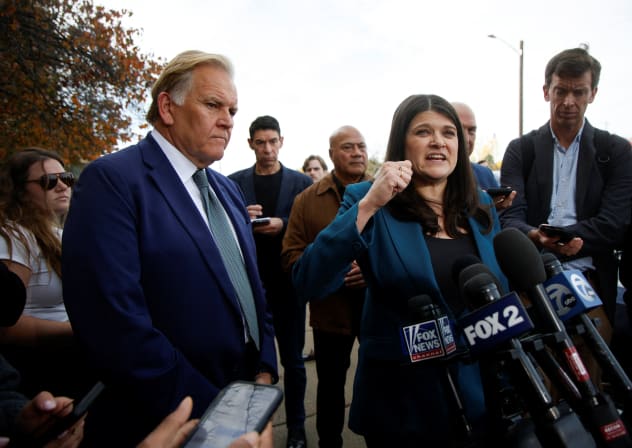
US Representative Haley Stevens, a Michigan Democrat and the rival Abdul El-Sayed defeated in the Senate primary, speaks with the media next to Republican US Senate candidate Mike Rogers who she endorsed, after attending the Perfecting Church in Detroit, Michigan, US November 1, 2026.

Trump’s aid bombshell, Haley Stevens, and the battle for the soul of the Democratic Party - comment

(Illustrative) A man casts his ballot at a voting station on the morning of the municipal elections, in Ashdod, February 27, 2024

Deadlock aside, turnout statistics are real story in Israel's election - analysis


Netanyahu may stay in power but lose control, US midterms could put Trump in same boat - analysis

Netanyahu may be in a position Trump could soon recognize: still holding the highest office, but facing a legislature he can no longer count on to advance his agenda.
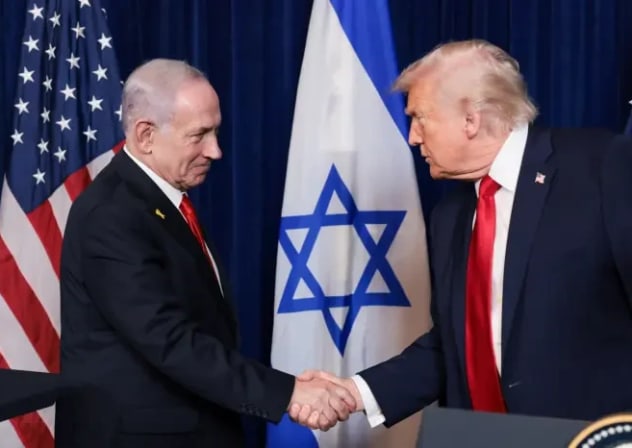
US President Donald Trump and Prime Minister Benjamin Netanyahu.

Politics, punditry, and parenthood: Living life through country music - opinion

To this day, I still prefer cold Coke to white wine. And as far as music is concerned, I have fallen deeply in love with the country song, which some would say is even less refined than pop.
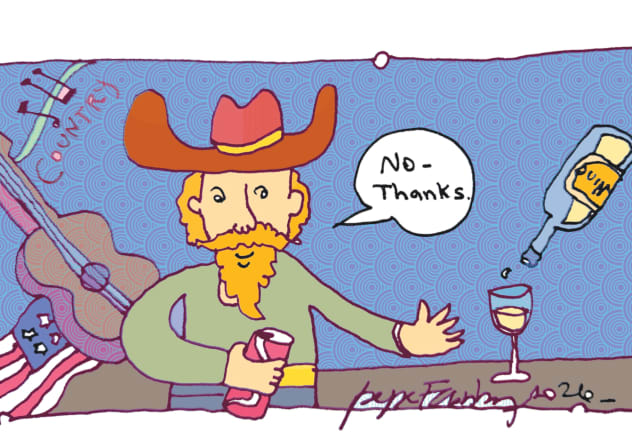
Cartoon drawing of a bearded cowboy wearing a red-and-white cowboy hat, holding a can while declining a glass of wine being poured from a bottle, with the word "Country" and an American flag guitar in the background.

Netanyahu survived October 7 and the election, but the political reckoning isn't over

POLITICAL AFFAIRS: Netanyahu's political survival is remarkable. But the election has also revealed a weakened bloc, the beginnings of change, and serious failures by the pollsters.
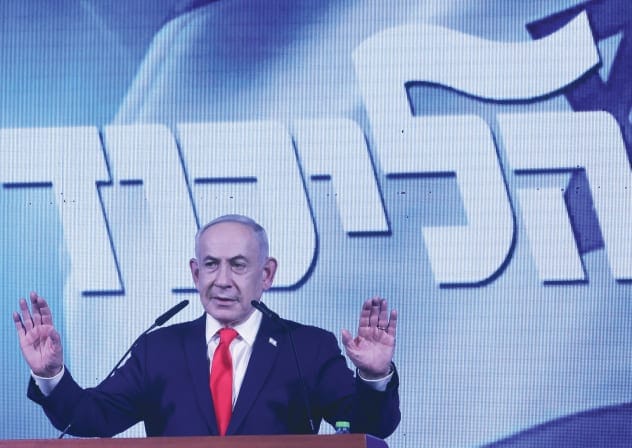
Prime Minister Benjamin Netanyahu addresses Likud supporters in Jerusalem after Tuesday's exit polls showed the Likud remaining as the largest party.

Israel's election produced only one result - so why is everyone claiming victory? - analysis

With neither bloc securing a clear majority, Netanyahu, Bennett and Golan each claimed victory by defining the electorate differently, exposing divisions over who counts.

Yashar party chairman Gadi Eisenkot is seen at his party’s election headquarters in Tel Aviv, October 28, 2026

Israel has voted, but the coalition deadlock is just beginning - analysis

The politicians now have to decide what they are prepared to change: their conditions, their partners or their promises.
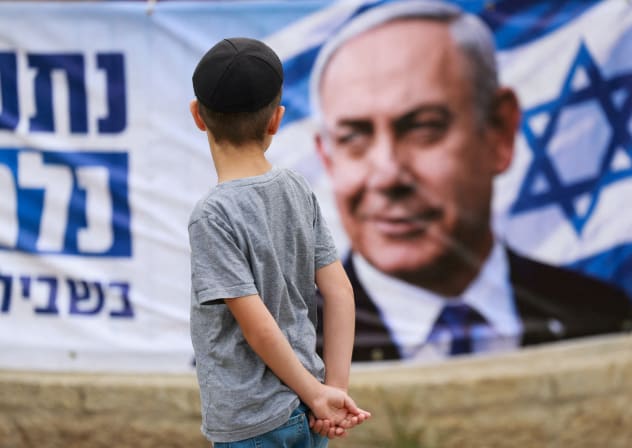
A child looks at a banner depicting Prime Minister and Likud party leader Benjamin Netanyahu, during the country's national elections in Jerusalem, October 27, 2026.

The campaign ends with Iran, and the question of trust - analysis

Netanyahu says the danger is too great to replace him. His opponents say it is too great to leave him in place. On Tuesday, Israelis will decide which warning they believe.

Missiles produced by Iran's armed forces are displayed near a row of Iranian flags during commemorations to mark the anniversary of the 1979 Iranian Revolution on February 11, 2026 in Tehran, Iran.

Netanyahu warns of sanctions, opponents warn of collapse: Who's scaring voters? - analysis

Netanyahu's crypto contingency plan sparked warnings of economic collapse, while his own nuclear imagery showed how both sides are stoking election fears.

Prime Minister Benjamin Netanyahu giving a speech at the IDF Combat Infantry Officer's Course graduation ceremony, October 21, 2026.

Israel’s election is being cast as a historic showdown - but four trends tell a different story

POLITICAL AFFAIRS: From rivalries within political blocs to polls that shape voter choices and coalition red lines, four trends reveal the challenges facing Israel’s next government.

‘Politicians should leave room for compromise before the election, rather than making absolute promises they may have to abandon afterward for the good of the country.’ Will the challenge of building Israel’s next coalition government fall to Prime Minister Benjamin Netanyahu or Gadi Eisenkot?

Why Netanyahu is making the Iranian regime’s overthrow a personal promise - analysis

Netanyahu's argument was that any agreement or accommodation leaving the regime in power would leave it determined to pursue a nuclear bomb and rebuild its network of proxies surrounding Israel.
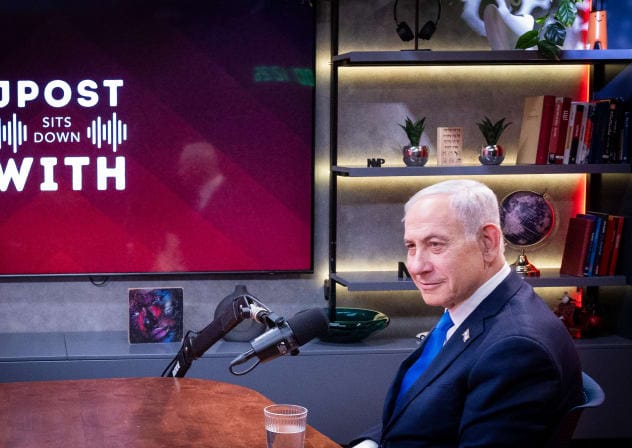
Prime Minister Benjamin Netanyahu talks to The Jerusalem Post, October 21, 2026.

Trump went from blasting Netanyahu to backing him - will it matter to Israeli voters? - analysis

US presidents have made their preferences in Israeli elections crystal clear before. Usually, however, they have left Israeli voters to connect the dots.

US President Donald Trump and Israeli Prime Minister Benjamin Netanyahu hold a press conference after meeting at Trump’s Mar-a-Lago club in Palm Beach, Florida, US, December 29, 2025.