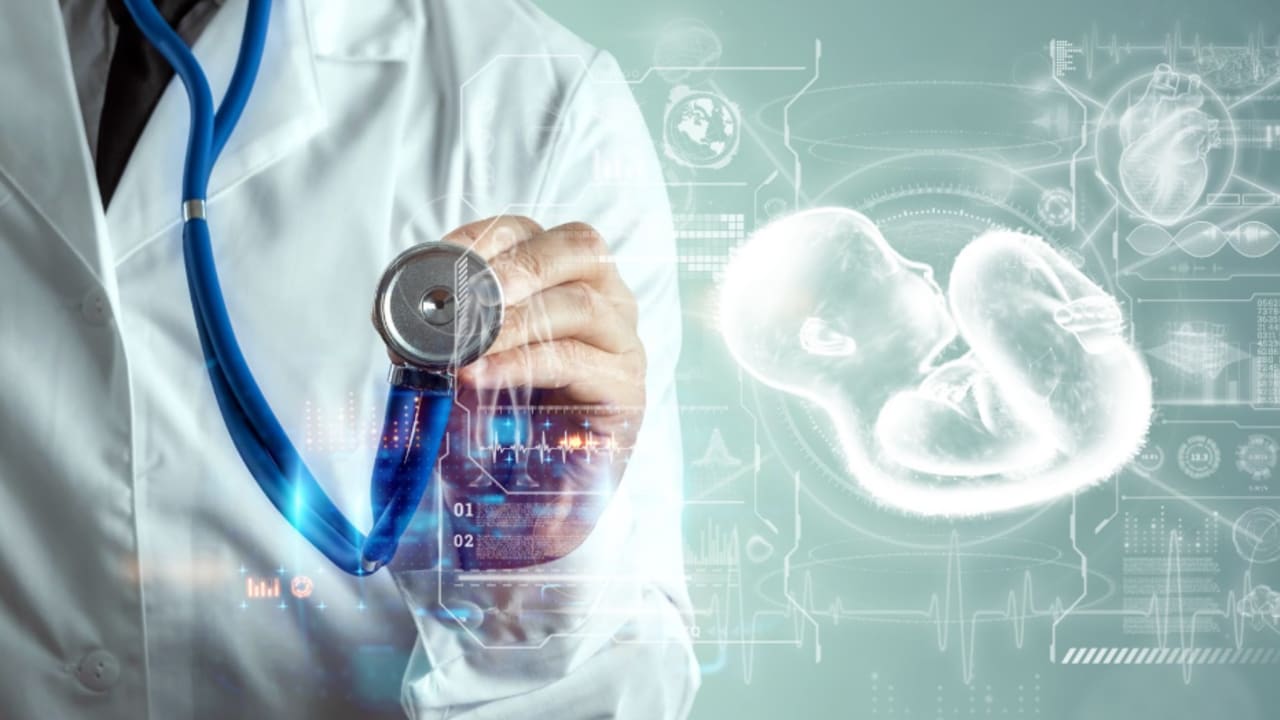
At the 2025 World Robot Conference in Beijing, Dr. Zhang Kifeng, founder of Guangzhou-based Kaiwa Technology, unveiled what he called the world’s first humanoid pregnancy robot, a machine designed to carry a fetus from fertilization to birth inside a fully integrated artificial womb. Provisional pricing stood at about 100,000 yuan - roughly 14,000 dollars - and Kaiwa said the device, tentatively named Humanoid, could reach public demonstration as early as 2026.
The robot’s core component is an artificial uterus filled with synthetic amniotic fluid that controls temperature, shields the embryo, and supports respiration and nutrition. Nutrients travel through a tube that mimickד an umbilical cord, and engineers claimed the system can maintain gestation for up to ten months before inducing delivery. Company representatives emphasized that the unit manages conception, implantation, fetal development, and childbirth within its torso, which they argued would cost less than traditional surrogacy for couples confronting infertility.
“Now we need to place the technology in the robot’s belly and initiate an interaction between the human and the robot. Thus, the pregnancy process will be possible,” said Zhang, according to LadBible. “We now need to build the robot to implant the womb in it and then receive the human fetus,” he added.
Advocates for artificial wombs claimed a 14,000-dollar robot surrogate could ease both financial and demographic pressures on couples. They also pointed to potential medical applications, such as rescuing extremely premature babies or allowing women with health risks to avoid pregnancy.
Previous research hinted at the feasibility of external gestation; in 2017, scientists kept premature lambs alive for weeks in fluid-filled “biobags.” Kaiwa aimed to start even earlier, yet the company had not detailed how fertilization or implantation would occur, nor how hormonal regulation, immune tolerance, and neurological development would be managed.
Skepticism extended beyond laboratories. One Weibo user wrote that it was cruel for a fetus to be born without maternal contact, while another called the concept unnatural. Researchers at the Children’s Hospital of Philadelphia warned that such devices could pathologize pregnancy by turning it into a condition to be outsourced. Still, a recent survey found that 42 percent of Chinese adults aged 18–24 supported growing a fetus entirely outside a woman’s body, and “The robot technology could therefore become a more realistic part of family policy in the future,” said Professor Zhang Zhiqiang of the University of Leeds, according to Bild.
Regulators in Guangdong province began drafting rules on parental rights, citizenship for robot-gestated children, and liability for malfunctions. Kaiwa said Humanoid remained in a mature stage of research and would undergo animal testing before any human embryo entered the system.
Experts cautioned that recreating the subtle hormonal dialogue between mother and fetus or the immune tolerance needed for pregnancy was still decades away from full replication. While many scientists agreed that artificial wombs could improve survival rates for premature infants, they noted that a complete nine-month gestation outside the human body remained unproven.