Last Sunday evening, I went with my son and grandsons to my first Australian Rules football match – the West Coast Eagles, the local side, against Hawthorn, the visitors from Melbourne. It rained most of the night, and 43,000 people appeared not to notice it.
I will not pretend to have understood it completely: 18 men a side on a field the size of a small village, no offside, and an oval ball that bounces as it wishes, with no attempt at consistency.
What I did understand immediately was the physicality. These men wear no helmets and no padding. They run at full pace into one another, are lifted and dropped onto wet turf, and get up.
Over the years, I have seen what trauma to a shoulder can look like. For 20 minutes I watched with a clinician’s flinch, quietly triaging the injuries in my mind. Then I stopped: the flinching was mine, and nobody out there had the slightest interest in it.
In the second quarter, my grandson mentioned that this was the final match of the season. At the final siren, the table freezes: the clubs above the line go through to the grand finals, everybody else goes home for six months.
I watched the field differently after that. It was late in the season, but not too late for one last push.
During the break, I checked my phone and saw the date. The 11th of Elul.
The last round
We are, right now, in the last round.
Rosh Hashanah begins on the evening of Friday, September 11. Between now and then sits Elul, and I think we misunderstand it almost entirely. We treat it as a corridor to a courtroom. The ledger is open, the pen already moving, only the sentencing is left. Dread, with a calendar attached.
That is not what Elul is meant to feel like. Elul is the last round of the season, and the entire point of a last round is that “it’s not over till it’s over.”
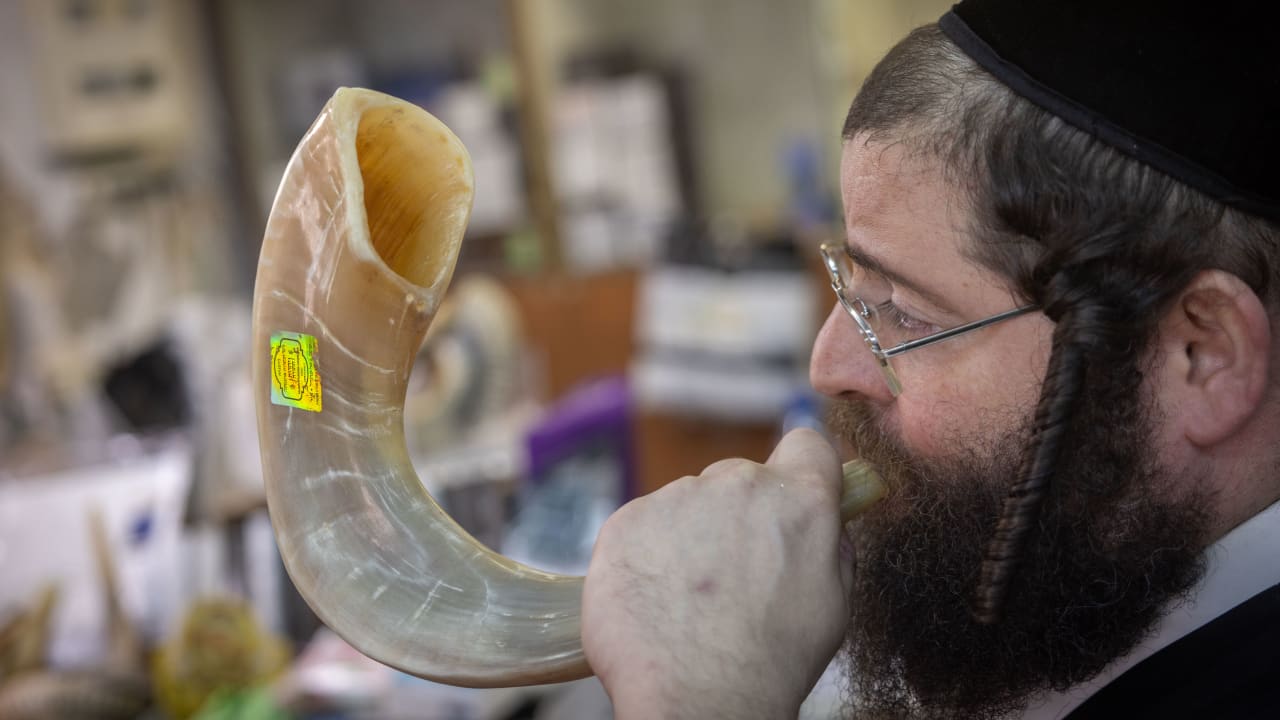
Everything about the month says so. The shofar sounds every weekday morning, not to frighten us, but to wake us while there is still time on the clock. The name of the month is read as an acronym for ani l’dodi v’dodi li – I am my beloved’s and my beloved is mine. This is not the language of a tribunal.
Rabbi Shneur Zalman of Liadi gave us the image I keep returning to: in Elul the King leaves the palace and walks out into the field, where any farmer, still dressed for work, may go up and speak with Him. No appointment, and no queue.
In a lifetime of working with people, those who worried me most were never those who had done the most damage. They were the ones who had privately decided the final siren had already gone. The brother not spoken to in 11 years, by a man who had stopped imagining he ever would, over something he can’t even remember any more.
The man in his late seventies who told me, with total conviction, that he was too old to become a different sort of husband. The woman who blamed nobody but herself for the harm she had done her family, and was certain that she was beyond forgiveness.
Not one of them was out of time. They believed they were, which is a different thing and far more dangerous, because a player who believes the season is over stops playing. A person who thinks he has nothing to live for, stops living.
The Jewish answer, in this month above all others, is that yes, it is late. But late is not all over.
Play the ball, not the man
Now the thing I had not expected.
Australian rules football is brutal. It was also, as far as I could see, entirely without malice.
The game’s most repeated instruction is play the ball, not the man. You may hit him, even hard, legally, repeatedly while contesting the ball. You may not hit him when he does not have the ball, just because he is him. In two and a half hours, I did not see a punch thrown, or a man standing over an opponent whom he had just flattened. They hit each other with everything they had, and when the ball moved on, they left it on the grass.
I have watched Jewish public life for a long time, and I am no longer confident we are playing the ball and not the man.
Contact was never our problem. Argument is our inheritance; the Talmud is a record of men going at one another for centuries, and the tradition calls it beautiful: machloket l’shem shamayim, dispute for the sake of Heaven.
Our problem is that we have stopped playing the ball.
Haredi and secular. Government and hostage families. Israel and the Diaspora. Right and Left, in Jerusalem, Melbourne and Manchester. Listen to almost any of it, and you will hear people not contesting the ball at all. They have gone for the man, and gone high.
The Talmud tells us that the Second Temple fell to baseless hatred; we sat on the floor last month on Tisha B’Av and said so out loud… and then went back to it before the fast was even out.
Elul does not ask us to stop arguing. It asks us to go back to the ball. Argue and disagree by all means but keep it focused on the topic, not the person.
As it happens, the local team was well beaten on the night, and the scoreboard made for uncomfortable viewing.
We spend Elul auditing the scoreboard: the tally, the year weighed and found wanting. Nobody in that stadium was applauding the scoreboard. They were applauding the effort made by every one of those 36 players – win or lose.
I suspect that is nearer to what is actually being asked of us.
There is work that can still change the outcome, even this late in the season: a phone call not yet made, a rival not yet forgiven, an apology 11 years overdue and still, today, entirely possible. All of this can change what sort of person walks out at the beginning of next season on Rosh Hashanah.
Last Sunday night, the rain kept falling. But the lights stayed on. The final siren sounded, and 43,000 people filed out into the night.
For us, though, the final siren is not until the shofar is blown on Yom Kippur. We still have time to score more points.
The writer is a rabbi and physician. He writes and teaches on Jewish ethics, leadership, and resilience. His work appears on rabbidrjonathanlieberman.substack.com and youtube.com. @rabbidrjonathanlieberman