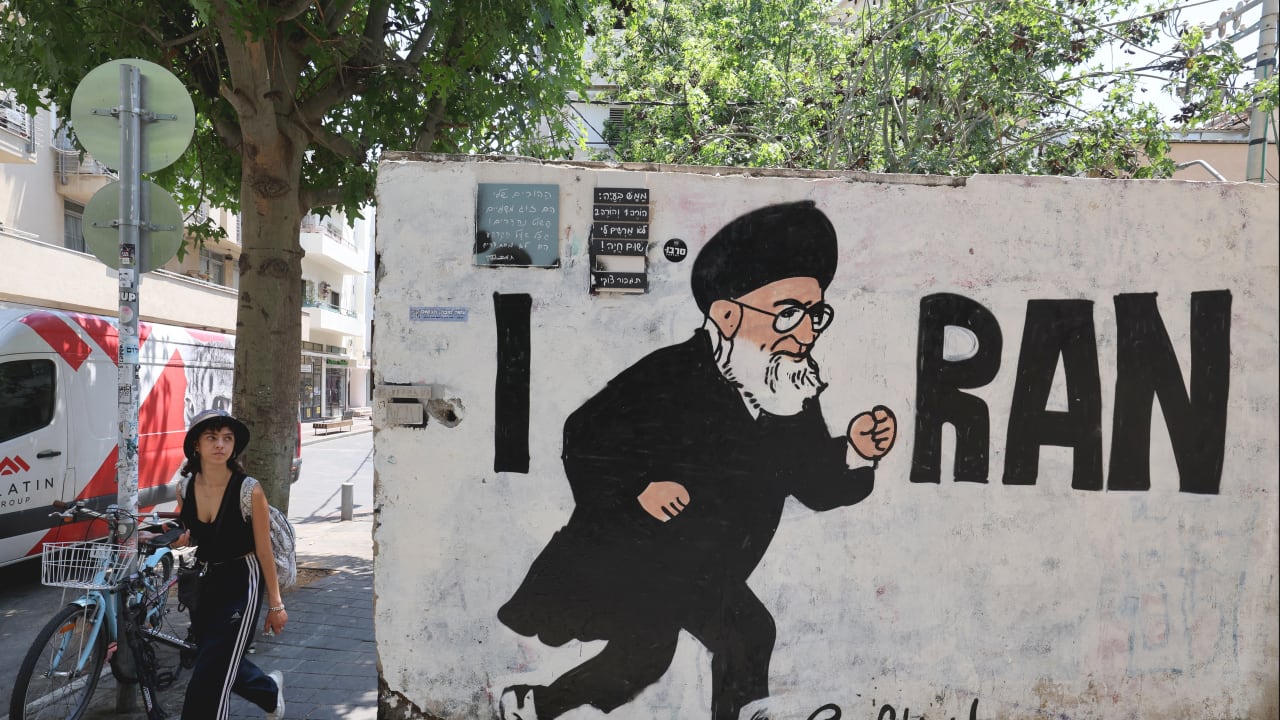
The war with Iran has imposed a real burden on the public, but it is also exposing Tehran’s growing isolation and reshaping the region in ways that matter deeply for Israel’s future.
Israelis feel this war in the most immediate ways: the sirens, the sleepless nights, the damaged homes, the interrupted routines, and the children learning far too young how to find shelter. This weekend, Iranian missile attacks caused heavy damage in Arad and Dimona, with dozens wounded.
The price is emotional, financial, and national. The Bank of Israel warned last month that geopolitical uncertainty had resurfaced “in view of a potential confrontation with Iran” and that Israel’s risk premium had increased slightly. Since then, the pressure has become clearer. Families are carrying the strain of prolonged emergency conditions. Workplaces and schools are absorbing new disruption. Public finances are under greater stress.
Energy markets add another layer. Oil prices have risen as tensions around the Strait of Hormuz have deepened, raising the prospect of higher transport costs, pricier goods, and further pressure on the cost of living in a country already carrying the weight of war.
A just war - still carries a price
Israelis should face those costs honestly. Serious nations do. A just war still carries a price. A necessary campaign still demands endurance from the home front.

This is exactly why the broader strategic picture matters.
Much of the Arab world is not lining up behind Iran. Public language still emphasizes de-escalation, sovereignty, and restraint. The underlying message is far less comfortable for Tehran. Governments that are calling for calm are also condemning Iranian attacks on Gulf states, warning against threats to civilian infrastructure, and signaling that they have little interest in remaining exposed to Iranian escalation.
That is a significant regional development. For years, Tehran counted on an old formula: Israel acts, Arab capitals recoil, and Iran regains political room to maneuver by wrapping itself in the language of regional grievance. That formula looks weaker today.
The Arab world turns on Iran
Oman, which has long tried to mediate, has called for an end to the war while also condemning attacks on Gulf Cooperation Council states and Arab countries. The UAE has gone further, openly condemning Iranian attacks. This is not an Arab world rallying behind Tehran. It is an Arab world increasingly tired of living under the threat of Iranian missiles, proxies, and regional blackmail.
Even where the language remains measured, the strategic signal is becoming clearer. The Wall Street Journal reported that senior UAE adviser Anwar Gargash argued the war could deepen Gulf states’ ties to the United States and push them toward a more durable security framework, one that addresses not only Iran’s nuclear ambitions but also missiles, drones, and coercion across the region.
That point deserves attention in Israel. The war is not only about what Iran can fire. It is about what Iran is losing. A regime that built leverage through intimidation is now reminding its neighbors why they no longer trust it. A regime that relied on proxies and the threat of economic shock is now threatening the infrastructure and trade routes on which ambitious Arab states depend for growth and stability.
Israel does not need triumphalism. It needs clarity.
Arab governments still fear uncontrolled escalation, civilian harm, and wider regional disruption. They are not endorsing every Israeli move, and they are not about to speak in Israel’s language. Still, they are showing through words and actions that they understand the central fact of this conflict: Iran threatens them, too.
That realization carries real strategic value. It weakens Tehran’s claim to regional legitimacy. It narrows its room for maneuver. It creates space for stronger security alignments, deeper coordination with Washington, and a more honest regional conversation about who is destabilizing the Middle East.
Israelis are paying a price in this war. They deserve to know that the price is not being paid in vain. The tide is not turning toward Iran. It is turning against the idea that Iran can threaten an entire region and expect everyone else to live with the consequences. If this war leaves Tehran more isolated, more exposed, and more openly resisted by its Arab neighbors, that will shape the Middle East long after the sirens fall silent.