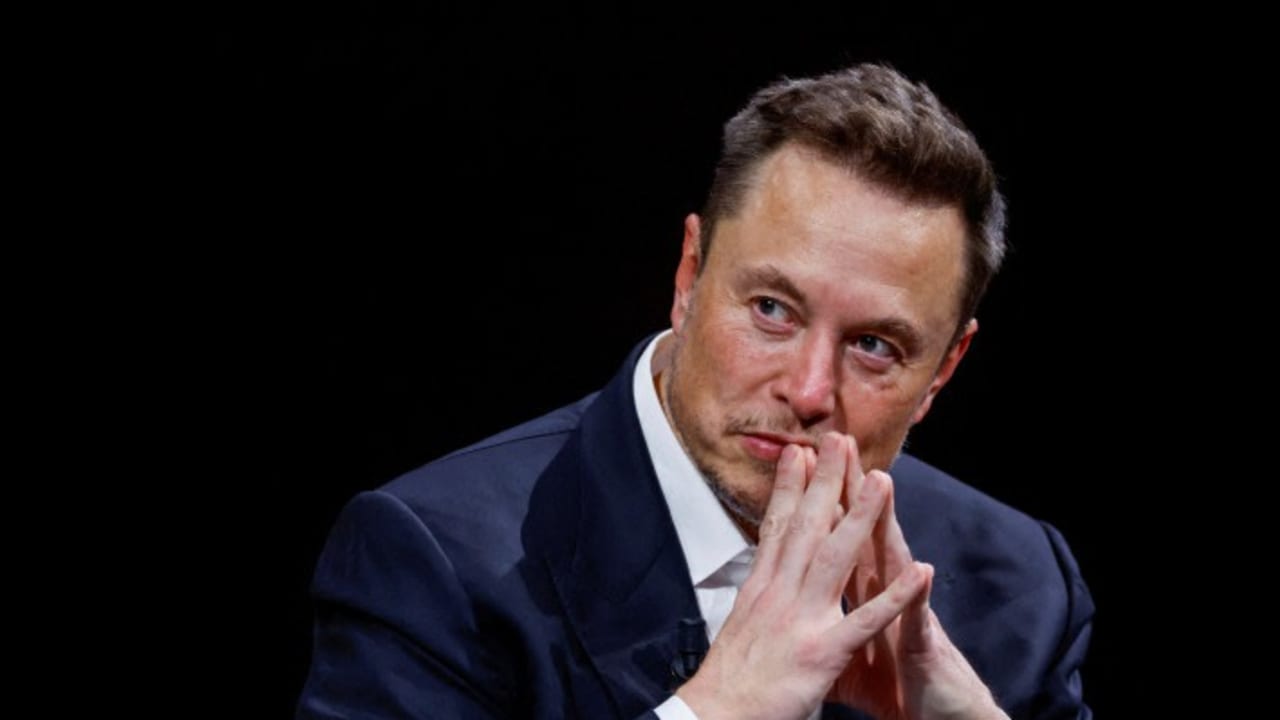
Over the weekend, Elon Musk's X (formerly Twitter) introduced one of the most significant transparency tools the platform has ever rolled out. Every profile now displays where an account is based and which app store it used to download the application.
Until now, users could claim to be anywhere, and no one had any way to verify it. A person could present themselves as whomever they wanted, while in reality posting from a completely different region. This loophole allowed malign governments and intelligence agencies to meddle in Western discourse and indirectly impact policy decisions.
Tearing off the Geographic Masks
The sudden transparency created what has been dubbed the “X Geocide,” a moment when countless accounts lost the “geographic masks” they had relied on to build influence.
X said the new feature would help distinguish genuine users from bots. This was long overdue, especially after Hamas' October 7 massacre and the wave of coordinated, inauthentic anti-Israel propaganda that followed. But what's garnered the most headlines since the rollout hasn't been the new feature's effect on bots, but how it exposed a vast, globe-spanning psyop to shape the consciousness of unsuspecting users.
The problem is not that "foreign" users exist on X. The platform is global by design, and people around the world have every right to participate in public discourse. The issue arises when users adopt false personas to dishonestly manipulate a target audience. When someone claims to be an American speaking for American interests, or a local Gazan reporting from a war zone — while actually posting from Pakistan, Nigeria, or Indonesia — they are engaged in deception, not dialogue.
Some of the most striking examples involve organizational accounts with significant weight in the anti-west and anti-Israel movement. The account of CAIR Action, the lobbying arm of the Council on American-Islamic Relations (CAIR), is connected to X through the Turkish app store, a known hub of the Muslim Brotherhood, which is the progenitor of Hamas and multiple other terrorist organizations. This comes as CAIR faces renewed scrutiny over alleged ties to the Brotherhood, and shortly after Texas Governor Greg Abbott designated the two entities as terrorist organizations.
The location feature also sheds new light on Jackson Hinkle, an anti-American commentator who presents himself as an American patriot while lavishing praise on Hamas, the Houthis, and the Chinese Communist Party. He even attended the funeral of Hezbollah leader Hassan Nasrallah last year. While his posts consistently target U.S. audiences, Hinkle, who is said to be living in Russia, has his account located in West Africa’s Burkina Faso.
If all that wasn’t enough, several accounts claiming to be Gaza-based journalists and firsthand witnesses to Israel’s “genocide” were shown to be operating from Europe and other regions outside Gaza. Though their posts shaped global media narratives and influenced Western discourse, their very identities were a façade.
Additionally, Jewish Voice for Peace (JVP), a radical anti-Zionist group, shows signs of potential VPN use. A VPN does not in itself prove nefarious activity, but it’s often the tool of choice for social media users to appear in different places. This is especially relevant as a previous administrator of the JVP’s Facebook account was allegedly located in Lebanon, where Hezbollah is based.
Finally, the X account of Samidoun, a U.S.-designated terrorist organization, appears to be operating from inside the United States. Despite its designation, it continues to freely publish content aimed at Americans, raising questions about how they’re legally allowed to do so.
These findings matter because they reveal how easy it is to masquerade as a domestic voice to influence a specific population.
Other Platforms Should Follow X’s Lead
X's new feature is a meaningful step toward transparency, but it highlights a much larger problem. TikTok, Instagram, YouTube, and Facebook still provide almost no visibility into who is behind the accounts that reach millions of people every day, requiring no verified location information.
Global dialogue is healthy. Deception is not. X has taken the first step toward clarifying the difference. The challenge now is whether the rest of the major platforms will follow.
The author is an international relations and Middle East analyst.
This op-ed is published in partnership with a coalition of organizations that fight antisemitism across the world. Read the previous article by Adam Milstein.