More than a decade ago, I moved to Israel from the United States, leaving behind a familiar home, a stable career, and a language I felt secure in. I didn’t come in search of comfort; I came out of a deep sense of mission and a desire for meaning.
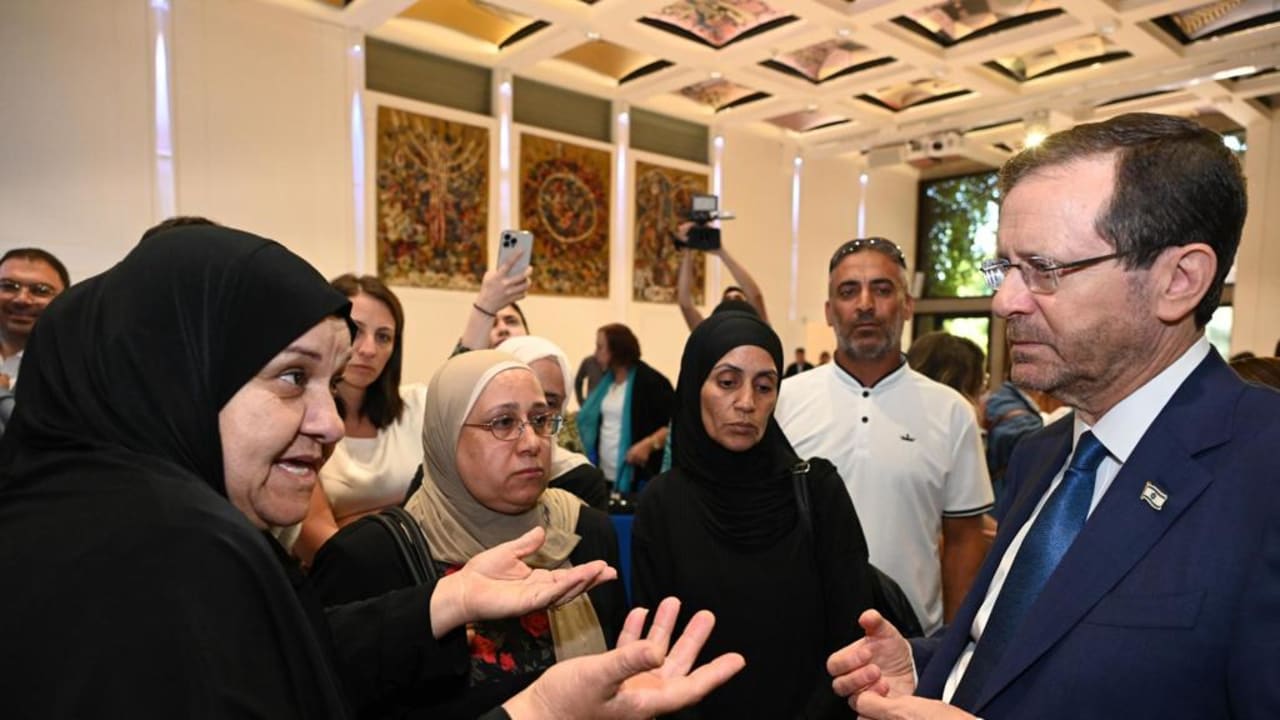
I believed, and still believe, that Israel can be more than a country defined by its ability to defend itself. It can also be a society that builds itself from within – a place where Jews and Arabs not only live side-by-side but actively create a shared future together.
I knew life here would not be simple, and yet I chose to come, because true resilience is not only measured in aircraft, borders, or iron. It is built by people living together, working together, and choosing to truly know one another.
Since 2013, I have been working in the social sector, and over the past year I joined Co-Impact, an initiative advancing the integration of Arab society into Israel’s labor market. When people ask me what I’ve learned over this past decade, I always give the same answer: resilience is built on people. On trust. On creating real opportunities that allow everyone to take part.
Integrating Arabs into Israeli society
The data are clear. Arab citizens make up 21% of Israel’s population and nearly a third of its young workforce, yet they hold less than 2% of decision-making positions in the economy. In hi-tech, a field Israel prides itself on as the Start-Up Nation, only 1.4% of employees are Arab, of whom just 0.5% are Arab women, despite the fact that 60% of Arab computer science students are women.
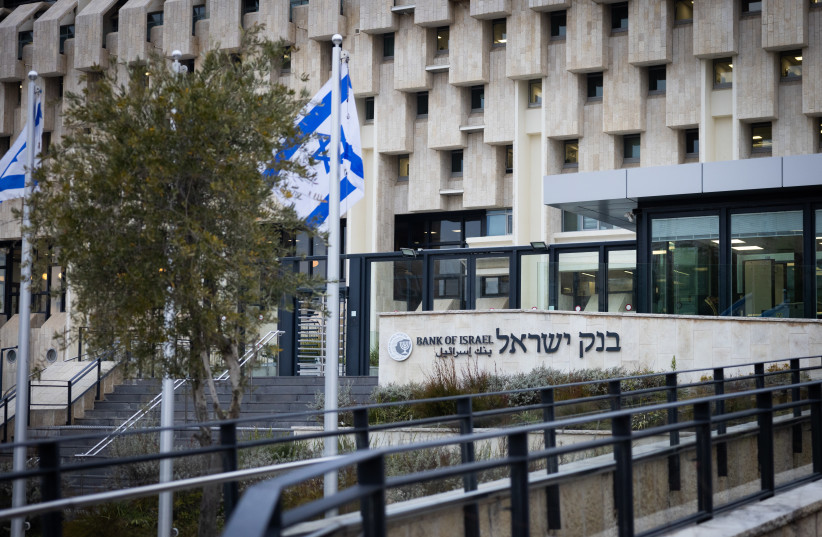
The Bank of Israel’s 2025 report warns that if this trend continues, the economy could lose up to 7% of GDP within five years. The OECD already identifies talent shortages as a central challenge and points out that the solution lies precisely in the populations long overlooked.
Still, reality is not just about numbers. Diversity and inclusion are not slogans; they are daily work, the work of building bridges. It begins with professional training designed to reach populations previously excluded, continues with mentoring programs connecting experienced executives with young professionals, and extends to direct connections between talent and opportunity. This is not theory; it is happening here and now.
At Co-Impact, we meet organizations that have chosen this path. They don’t view diversity as a “favor” they are doing, but as a long-term business strategy. And they are reaping the benefits. Employee retention in organizations that foster a culture of belonging is 96%, compared with just 82% across the economy. That difference is not just a percentage point. It reflects a truth: when employees feel seen and heard, they choose to stay, to grow, and to give more of themselves.
I also see it in personal stories. A young engineer from Galilee told me he left his previous workplace because his voice had found no place there – and now, at a different organization, he is thriving.
A Jewish manager once told me plainly: “I realized that when I listen to all my employees, no matter their beliefs, my entire team benefits.”
As someone who came here from the outside, I see Israel through two lenses.
On one side, I see the difficulties, the mistrust, the fears. On the other hand, I see the immense potential embedded here. The potential not to keep building walls of alienation, but bridges of trust.
In the end, reality teaches us one simple truth: When people work together, when they learn to listen to one another and accept one another, we all become stronger.
I believe Israel will only be truly strong if it learns to view Arab society not as a challenge to be managed but as a valuable resource to be invested in.
Young men and women from Arab society bring with them ambition, a desire to succeed, and high professional abilities. What is needed is to hand them the keys to open the doors to the rooms where decisions are made.
The choice is ours. We can continue to lose precious talent and build more and more walls. Or we can choose to build bridges, to create genuine partnership, and to recognize how deeply our shared future depends on one another.
The writer is director of resource development at Co-Impact.