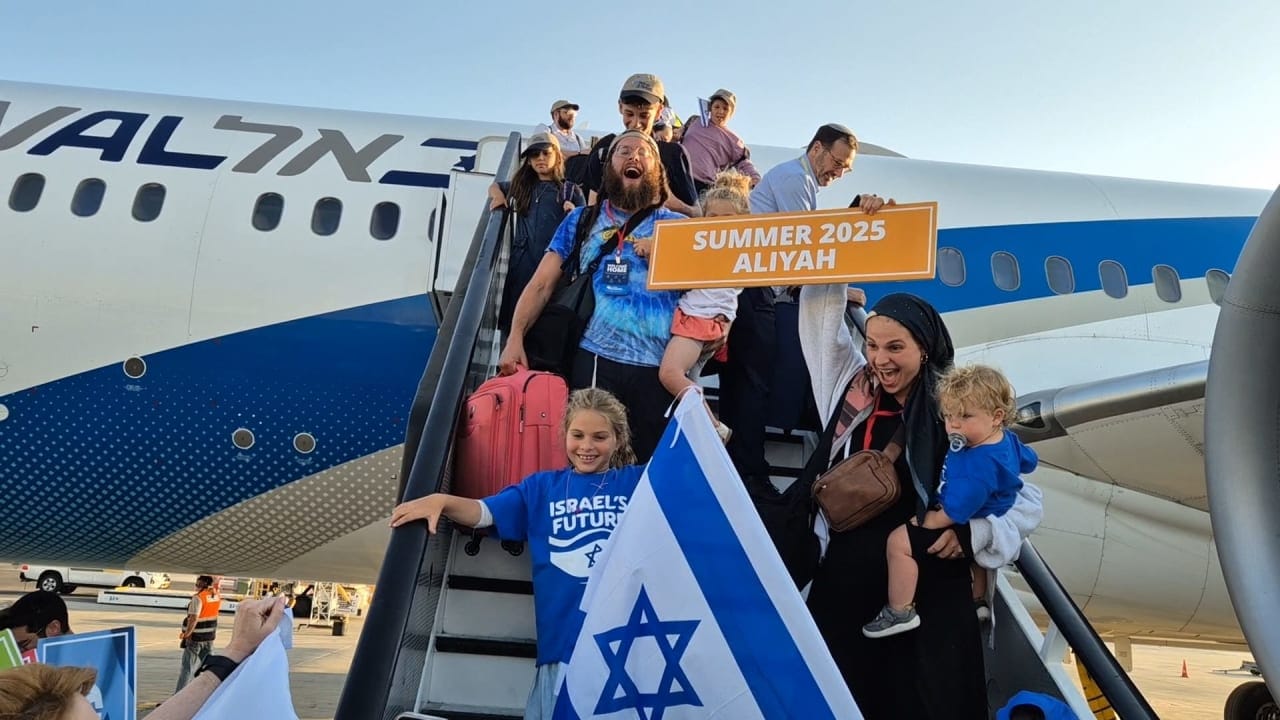
Israel stands on the threshold of a new and significant wave of immigration. Global instability, rising antisemitism, and a renewed sense of Jewish identity are driving thousands of families to consider building their future in Israel.
Policymakers and business leaders are already discussing the implications for housing, employment, and infrastructure. Yet one critical dimension remains largely overlooked: the integration of senior citizens.
For every young family that arrives, there are often parents or grandparents who make the journey with them. These older immigrants carry with them not only memories, traditions, and resilience but also unique needs that Israeli society must be prepared to meet.
Quality of life
The success of their absorption will influence not only their own quality of life but also the well-being of their families and the cohesion of the communities that welcome them.
While immigration debates often highlight students, professionals, and entrepreneurs, the elderly are an inseparable part of the picture. In many Western countries, Jewish communities facing growing insecurity are composed of a disproportionately older population.

This means that a meaningful share of newcomers to Israel will be in their 60s, 70s, or beyond. For them, the challenges of learning a new language, navigating bureaucracy, and adapting to a different healthcare system are amplified. Without careful planning, their integration risks becoming a silent failure.
The needs of senior immigrants go far beyond medical services. Of course, ensuring access to doctors, medications, and specialists is crucial. Yet, equally important is the sense of belonging. Older immigrants often struggle with social isolation, especially when separated from established networks abroad.
Community life, cultural adaptation, and opportunities for engagement become essential components of their successful absorption. A society that fails to address these needs risks leaving behind those who have contributed a lifetime to Jewish life elsewhere.
Supporting senior immigrants is not merely a moral imperative but also an economic necessity.
Integration is key
Older adults who integrate well place less strain on healthcare systems, contribute through volunteering, and often provide essential childcare support for younger families.
By contrast, neglecting their integration can lead to higher long-term costs in social services, not to mention the emotional toll on families who must balance work and caregiving without adequate support.
Furthermore, how Israel treats its elderly newcomers will shape the global perception of the country’s readiness to absorb future waves of immigration. A reputation for compassion, efficiency, and inclusiveness will strengthen Israel’s role as a safe and welcoming home for Jews worldwide.
Not an afterthought
The coming years offer Israel a rare opportunity: to prepare not just for the numbers but for the diversity of the population that will arrive.
Policymakers, municipalities, healthcare providers, and community organizations must collaborate to design strategies that ensure senior immigrants are not an afterthought.
This means developing tailored language programs, expanding culturally sensitive healthcare services, and creating avenues for older adults to participate meaningfully in community life.
If Israel rises to this challenge, the absorption of senior citizens will not be a burden but a source of strength, binding generations together and reaffirming the country’s role as a true homeland for all Jews, at every stage of life.
The writer is the CEO of Ad 120 retirement luxury residence.