
I watched in horror as footage emerged from the recent Glastonbury Festival, where an artist stood on stage and screamed, “Death, death to the IDF” to a cheering crowd. This wasn’t a fringe gathering in a back alley. It was one of the world’s most famous music festivals, a place once known for peace, love, and unity.
At Coachella, earlier in the year, I saw another Irish rap group, Kneecap, flash “Free Palestine” and “F*** Israel” in giant letters behind them, weaponizing their platform not to bring people together but to incite hatred. These weren’t messages of hope or solidarity; they were calls to dehumanize, to divide.
When I see those crowds cheering, I wonder: Do they know what those words can lead to?
I do. I lived through it.
On October 7, 2023, I went to dance. That’s all. I went to the Supernova festival in southern Israel to celebrate life and music with friends. It was supposed to be a night of freedom, connection, and escape from the world’s heaviness.
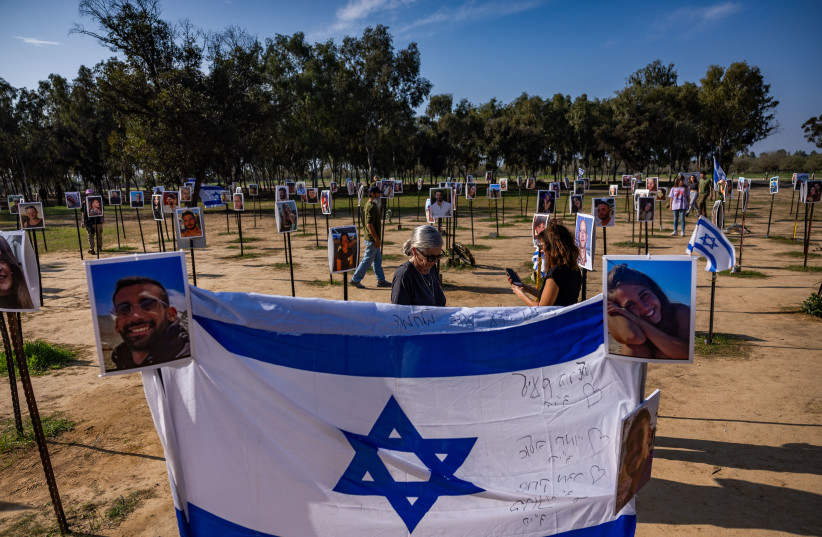
Instead, I survived a massacre.
That day, my sanctuary turned into a killing field. Hamas terrorists stormed the festival grounds and slaughtered hundreds of innocent people in cold blood. I remember the screams, the stampede of terrified people running for their lives, the friends I lost. I remember hiding for hours, certain I was about to die.
Since then, I’ve never felt safe dancing.
Before October 7, dance floors were my therapy. They were places where strangers could become family, where our differences dissolved in rhythm and movement. Every beat was healing, and every song was an invitation to connect.
Now, every beat brings anxiety. Every crowded floor feels like a potential trap. When I try to lose myself in the music, I’m scanning the crowd for threats. Even worse, there’s a new fear I never anticipated: what if someone recognizes me, not to offer comfort, but to hurt me for daring to speak about what I survived?
I’ve tried to heal and reclaim what was taken from me. Months after the attack, I went to the Ozora Festival in Hungary, hoping to rediscover that open-hearted spirit. But I found antisemitic graffiti defacing the festival grounds – a slap in the face and proof that even here there was no refuge from hate.
Later, I traveled to Amsterdam for the ADE Festival. One sunny afternoon, I wandered into what looked like a laid-back gathering in a park, only to realize it was a pro-Palestine rally. Suddenly, I felt frozen. What if they knew who I was? Would they see me as a human being, as a survivor of unthinkable violence? Or just as an enemy? I tried to dismiss that fear as paranoia, but weeks later, I watched reports of Israeli soccer fans being hunted and attacked in Amsterdam’s streets. My fear wasn’t irrational. It was a warning.
Those weren’t isolated incidents.
Rising trend of hate in music culture
They are part of a growing pattern I see in music scenes worldwide. What were once spaces for joy and connection are being hijacked by calls for violence and slogans designed not to support anyone, but to turn people against each other.
I want to be clear: supporting Palestinian rights is absolutely valid. Advocating for peace is necessary. I want peace and an end to bloodshed, for Israelis and Palestinians alike.
Nevertheless, there’s a line. When solidarity turns into hatred of Israelis, of Jews, of Zionists, of people who believe in the national right of the Jewish people to live in its indigenous and ancestral homeland, it stops being about justice and starts being about destruction. It stops being peace and becomes incitement.
I wonder if the people chanting “Death” at Glastonbury thought about what it would mean if those words left the stage. If they knew what it looked like when those words became action. I do. I saw it on October 7.
I’m not writing this for pity, and I don’t want to be frozen in fear forever. I want to dance again without checking every exit. I want to close my eyes to the music without bracing for violence. I want to believe that festivals can still be places where people come together, not where they learn to hate.
But I can’t do that alone. None of us can. Festival organizers have a responsibility to ensure their events don’t become stages for hate speech and incitement. Artists need to realize that with a microphone comes power and the obligation to use it responsibly. Audiences need to decide they won’t cheer calls for death or violence, no matter who the target is.
Hate speech is hate speech. Incitement is incitement, and no cause justifies it.
If you call for the death of anyone, you will never be on the right side of morality, justice, or history. When you call for the death of the defense forces of the only Jewish country in the world, that is undiluted antisemitism and hate. That is seeking Jewish powerlessness to ensure the Jewish people’s enemies will successfully attack us again and again.
I survived October 7, but the fear followed me. I’m fighting for the day I can dance freely again. For the day that music is once more a space of connection and healing, not division and threats.
That day can come, but only if we choose it together.
The writer is a Supernova festival survivor and Combat Antisemitism Movement (CAM) Public Affairs Officer.