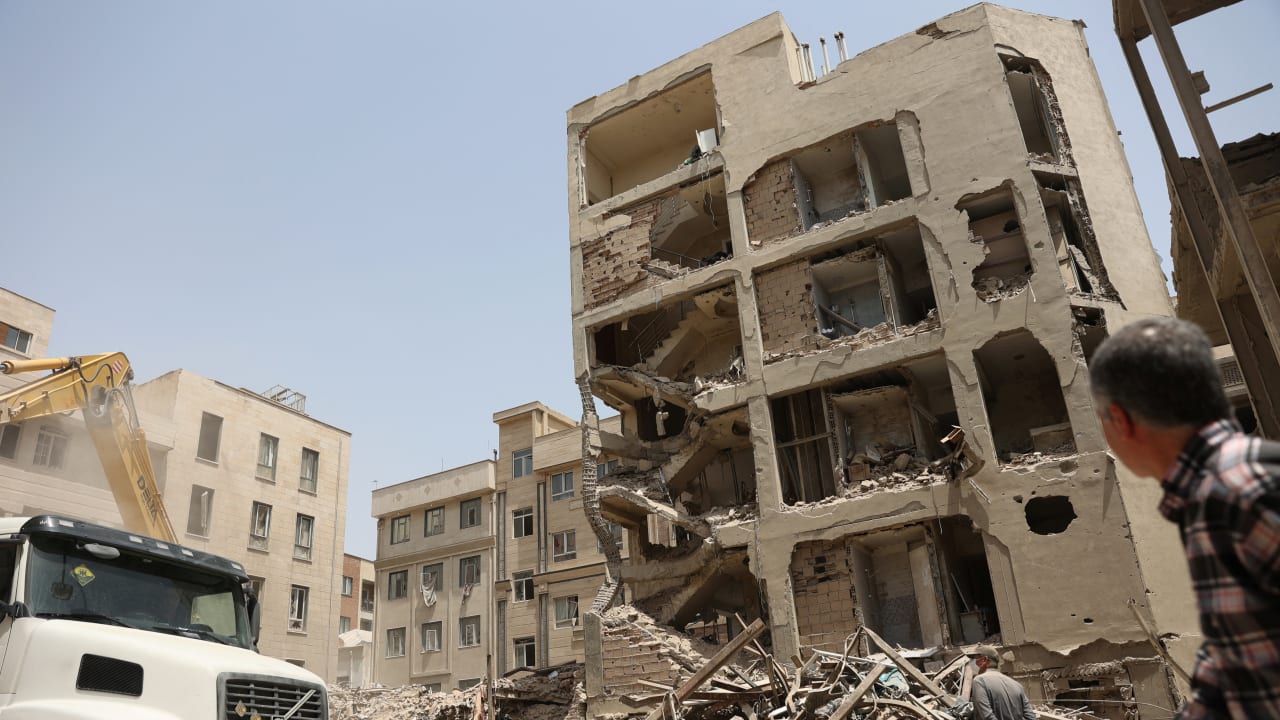
In 2025, the escalation of military hostilities between Israel and Iran created shock waves far beyond the Middle East.
While most of the world’s attention remained fixed on Tel Aviv, Tehran, and the Strait of Hormuz, a quieter but crucial struggle was playing out in the South Caucasus. Azerbaijan – strategically nestled between Russia, Iran, and Turkey and a long-standing ally of Israel – found itself walking a tightrope in a conflict it never asked to be part of.
Azerbaijan’s foreign policy has long been guided by pragmatism. Since gaining independence in 1991, Baku has sought to diversify its alliances, maintain neutrality in regional rivalries, and build a sovereign identity rooted in both Turkic and Islamic traditions, while also embracing modernization and Western integration.
This strategy places Azerbaijan in a unique and often precarious position between two of its most complex partners:
Israel: A close defense and intelligence ally, Israel has supplied Azerbaijan with cutting-edge military technology, including drones and missile defense systems. Trade and energy cooperation have also flourished.

Iran: Sharing a 765-kilometer border, Iran is not only a neighbor but also home to millions of ethnic Azerbaijanis. Religious, linguistic, and cultural ties have always mattered, but so have geopolitical tensions and Tehran’s suspicions of Baku’s Western and Israeli links.
When the Israel-Iran War erupted, these two tracks collided with full force.
Iran accuses Azerbaijan of taking Israel's side
Tehran was quick to accuse Azerbaijan of siding with Israel and allegedly allowing Israeli intelligence operations on its territory. Iranian state media and hardline clerics intensified their rhetoric, calling for “disciplinary responses” and framing Baku as a proxy in a wider Zionist agenda.
In response, Iran conducted a series of provocative military exercises along the border with Azerbaijan. The deployment of missile units and anti-air systems near the Aras River was viewed as a thinly veiled warning.
Azerbaijan, for its part, issued firm but restrained diplomatic statements, denying any involvement in the Israel-Iran conflict and reiterating its commitment to regional peace. Yet, it also reminded Tehran that Azerbaijan would defend its sovereignty with resolve.
While Azerbaijan attempted to calm Iranian suspicions, it did not sever its ties with Israel. In fact, behind closed doors, security cooperation reportedly intensified.
With Iranian threats looming, Azerbaijan relied increasingly on Israeli technology to monitor its southern borders.
While refraining from public displays of support, Baku’s continued cooperation with Israeli defense firms sent a quiet but clear message: Azerbaijan’s alliances are based on national interest, not religious solidarity.
This silent partnership – neither confirmed nor denied – was a hallmark of Baku’s delicate diplomacy.
The Israel-Iran War also posed internal risks. Azerbaijan is a secular state with a Muslim-majority population, and religious sentiments can be politically sensitive.
The government-controlled media emphasized neutrality and called for a ceasefire. However, social media platforms became battlegrounds for pro-Iranian and pro-Israeli narratives with some foreign actors attempting to stir unrest.
There were fears that radical elements within Azerbaijan – or foreign proxies – might use the conflict to destabilize the country. Authorities responded by tightening cyber-monitoring and public messaging.
Azerbaijan’s geopolitical position as a major oil and gas exporter to Europe meant that any regional instability risked disrupting vital infrastructure.
Although far from the battlefield, the threat of Iranian escalation prompted enhanced security around the pipelines running through Georgia and Turkey.
On the positive side, instability in the Persian Gulf pushed up global oil prices, temporarily boosting Azerbaijan’s revenues. However, Baku remained wary of overreliance on war-driven profits.
One of the most telling indicators of Azerbaijan’s diplomatic skill was its engagement with other regional powers.
Other regional powers
Turkey: As a key NATO member and Azerbaijan’s closest ally, Turkey provided political backing and helped shield Baku from Iranian retaliation.
Russia: Azerbaijan avoided antagonizing Moscow, which remained largely neutral but watchful. Maintaining calm in the Caucasus is also in Russia’s interest, especially amid its own geopolitical struggles.
Central Asia: Baku used diplomatic channels with Kazakhstan, Uzbekistan, and others to present itself as a responsible actor, committed to regional stability.
The Israel-Iran War may not have crossed into Azerbaijan’s borders physically, but its political tremors were deeply felt. For Baku, the crisis was a test of its maturity, sovereignty, and diplomatic finesse.
Walking the line between strategic partners and existential neighbors, Azerbaijan has shown that small states can navigate global turbulence – not through power but through patience, clarity of vision, and a firm grasp of their national interest.
In a world of polarized choices, Azerbaijan’s quiet balancing act may well become a model for states caught between giants.
The writer is a Middle East scholar and commentator on the region.