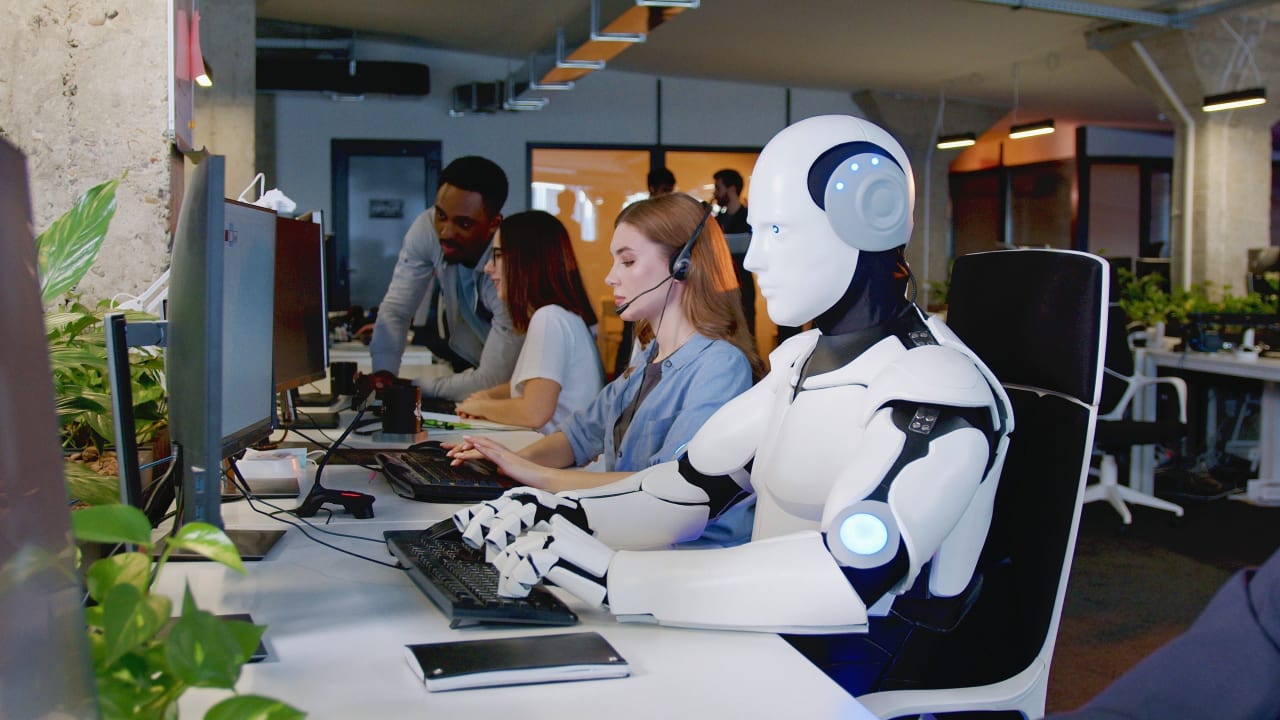
A game media company in Shandong, China trained an AI “digital avatar” of a former human-resources specialist to keep performing routine office tasks after he left, according to Securities Times, a state-owned news outlet
A current employee described it as a bold internal test conducted with the former colleague’s consent. The AI handles consulting, interview invitations, and making presentation slides and spreadsheets. It remains limited to simple instructions and is “a bit clumsy,” the employee said. The topic surged onto social media trending lists in China.
Workplace replicas
Interest in always-on AI agents is rising in China, according to Japanese news outlet Sankei Shimbun. Social media commenters expressed unease about the specific case of turning an employee’s work practices and communication style into data that could be commercialized. Some asked whether workers should be paid for the data used to train such systems. “Employees should collect royalties,” one commenter noted.
Lawyers warned that the data used to train such workplace replicas—chat histories, work emails, and personal work habits—fall under legal definitions of personal information in China. Private communications among them may constitute sensitive personal information. Using such material for AI training without consent infringes rights under the Personal Information Protection Law.
In serious cases involving the sale or provision of personal information, penalties can go up to three years in prison or detention plus fines. For especially serious cases, penalties range from three to seven years in prison plus fines.