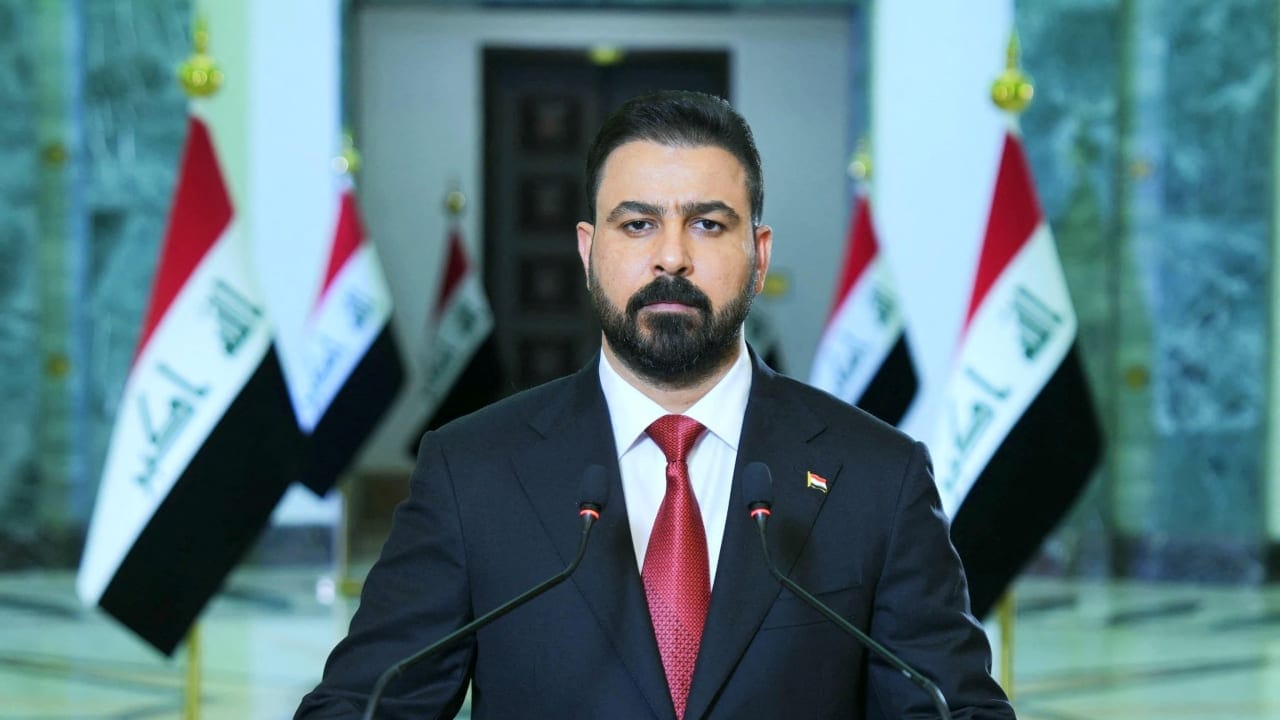
Newly elected Iraqi Prime Minister Ali al-Zaidi called on Wednesday for all armed groups in Iraq to operate under state authority, amid continued US pressure on Baghdad to curb the influence of Iran-aligned militias.
For more stories from The Media Line go to themedialine.org
According to a statement issued by al-Zaidi’s media office, the prime minister urged armed factions to work “under the umbrella of the state and its official institutions.”
The statement came after Shiite cleric Muqtada al-Sadr announced that his armed group, Saraya al-Salam, also known as the Peace Brigades, would separate from his political movement and integrate into state institutions.
Sadr declared “the complete separation” of his armed group from his political party and its “full integration into the state.”
The cleric previously led an armed faction that fought against American and Iraqi government forces. In recent years, he has criticized Tehran-backed armed groups and repeatedly called on them to disarm.

Pressure from Washington mounts
Al-Zaidi’s position reflects growing pressure from Washington on the Iraqi government to limit the role of militias operating outside the state’s military command structure.
According to The New Arab, the Trump administration has continued to urge Baghdad to rein in Iran-aligned factions and has tied future defense cooperation and funding to efforts to reduce the influence of groups operating independently of the government.
The Iraqi prime minister called “on all armed factions to follow the same responsible national path and operate under the umbrella of the state and its official institutions.”