Lebanon and Israel are sitting down in Washington for direct talks, considered important as the first of their kind in 43 years. The Middle East is watching the talks closely.
Many countries were shocked by Israel’s massive bombing of Lebanon on April 8, which coincided with the ceasefire in Iran. In Israel, it had been predicted that the war on Hezbollah would increase when the Iran war was over.
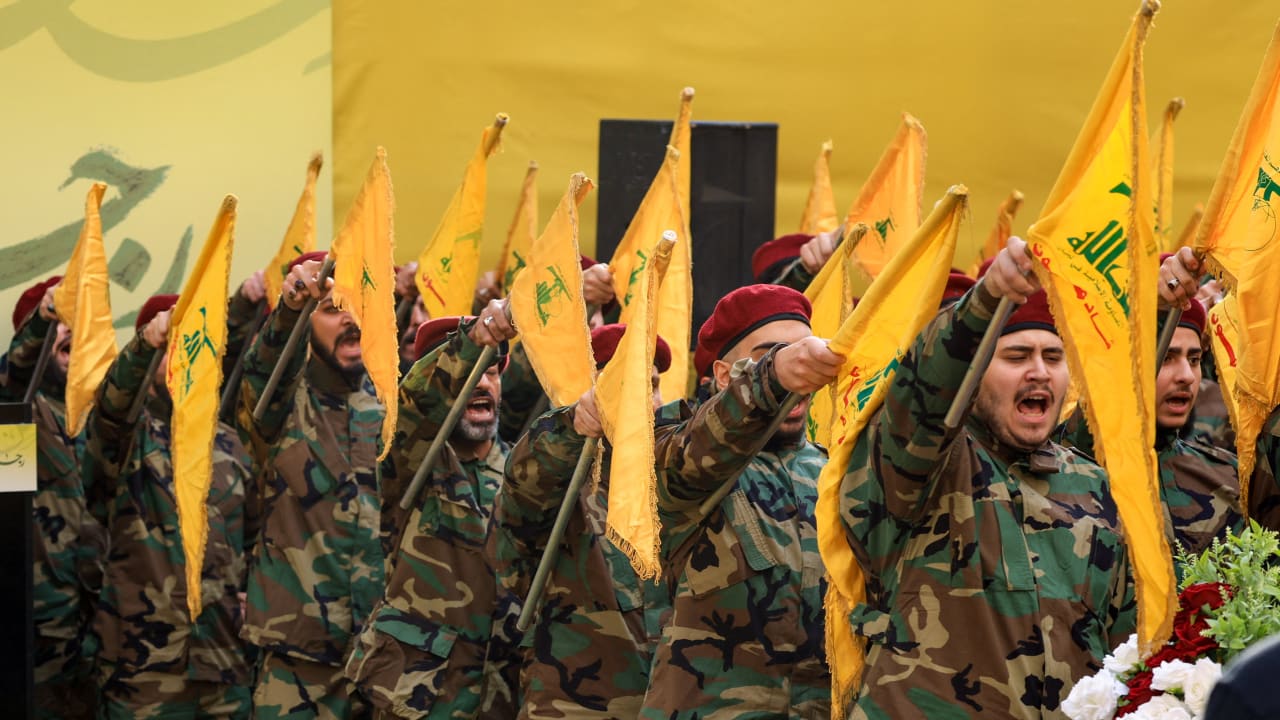
Lebanon is supposed to disarm Hezbollah. However, the government has not moved to actually do so. Although the Lebanese army claimed to have disarmed the terror group south of the Litani River, the fighting since March 2 has shown that Hezbollah continues to have too many weapons.
In the UAE, the local Arabic Al-Ain media reported on the talks.
“The negotiations were considered by experts and analysts who spoke to Al-Ain News to be a rare opportunity to stop the war, but they saw that they ran into a major obstacle, namely Hezbollah’s weapons and its connection to Iran.”

The report says that “analysts pointed out that the success of the negotiation process depends on broad international support, effective external pressure, and the ability of the Lebanese state to regain its sovereign decision-making power.”
What will happen in Israel-Lebanon talks in DC?
The challenge for Lebanon is that it is internally divided. The country had a long civil war from 1976 to 1989. After the war ended, Hezbollah was the one group that was allowed to keep its weapons, which it did under the guise of “resisting” Israel.
The reality was, however, that Iran wanted to use Hezbollah to make Lebanon a frontline state with Israel. In 2000, Israel left Lebanon, but the terror group used this as an excuse to grow stronger.
In 2005, Hezbollah was likely involved in murdering former Lebanese prime minister Rafic Hariri. Then it attacked Israel in 2006. In 2008 it clashed with Lebanon and sought to cement its control of Beirut while carving out its own telecommunications system.
The terror organization blocked the election of presidents in Lebanon until it could get pro-Hezbollah leaders and also obstructed investigations into the murder of Hariri and the Beirut port explosion.
In October 2023, it attacked Israel and plunged Lebanon back into war with Israel.
When there was a ceasefire in November 2024, Hezbollah was supposed to be disarmed. However, Lebanon didn’t move fast enough.
“Direct talks between the Israeli and Lebanese sides will begin at the US State Department, in the presence of Yechiel Leiter, Israel’s ambassador to the United States,” Al-Ain noted.
The report notes that “the Lebanese side will be represented by the Lebanese Ambassador to the United States, Nada Hamadeh Moawad, while American officials will participate as mediators, namely the US Ambassador to Lebanon, Michael Issa, and the US State Department representative, Mike Needham.”
The two sides want different things. Lebanon wants a ceasefire, and Israel says it won’t agree to this. The report says that the Lebanese “are looking forward with great interest to the start of these talks, hoping that they will produce positive results that will end their suffering that has lasted for more than fifty years.”
A source was quoted by Al-Ain saying that “Hezbollah has turned Lebanon into a military arena directly subordinate to the decision of the Supreme Leader.”
According to the source, Hezbollah “has practically become a brigade of the Iranian Revolutionary Guard, directly managed by the Guard’s leadership, and has provided field sites on Lebanese territory to establish military structures and missile bases belonging to Iran, operating according to its decisions.”
Hezbollah won’t accept a deal that takes its weapons. This makes it difficult to see how there is a path forward. Lebanon will want to see European and Arab states back a peace process. This would also require the Lebanese army to step up.
“According to Lebanese strategic expert, retired Brigadier-General Nahi Jabran, the results of these talks are difficult to predict due to the overlap of internal, regional, and international complexities, in addition to the strong opposition by Hezbollah, stressing that negotiations remain the only option currently available to end this devastating war,” Al-Ain notes.
“What contributes to the success of these talks is that they will be held with international, European, and Arab backing and under direct American sponsorship, which may lead to solutions satisfactory to both parties, with the support of our Arab brothers and with more European and American pressure,” the retired general said.
Lebanon’s goals are to secure a ceasefire and then get the IDF to withdraw. This is similar to November 2024. Other Lebanese sources were hopeful for de-escalation. They think that the US is stepping up pressure to get things done.
A source told Al-Ain, “Lebanese rely on the constitution represented by the Taif Agreement, which forms a framework for organizing the work of institutions, in addition to the pivotal role of the Lebanese army in maintaining stability, as well as the geopolitical position that imposes Lebanon’s presence in any regional settlement.”
The key issue is that Lebanon wants to see Israel withdraw from Lebanese territory and the border demarcation. Some want compensation for the destruction in the south. More than a million Lebanese remain displaced.
Hezbollah insists on keeping the country as a “bargaining chip in the hands of the Iranian project,” a source said.
“We are continuing our efforts to stop the war, foremost among them the initiative launched by President Joseph Aoun to negotiate with Israel, with the aim of enabling legitimate state institutions to play their full role in protecting Lebanon.”
The Lebanese source said that the 1989 Taif Agreement, backed by Saudi Arabia, should be implemented. That would appear to require disarming Hezbollah. However, none of the sources explained how this key move would happen.