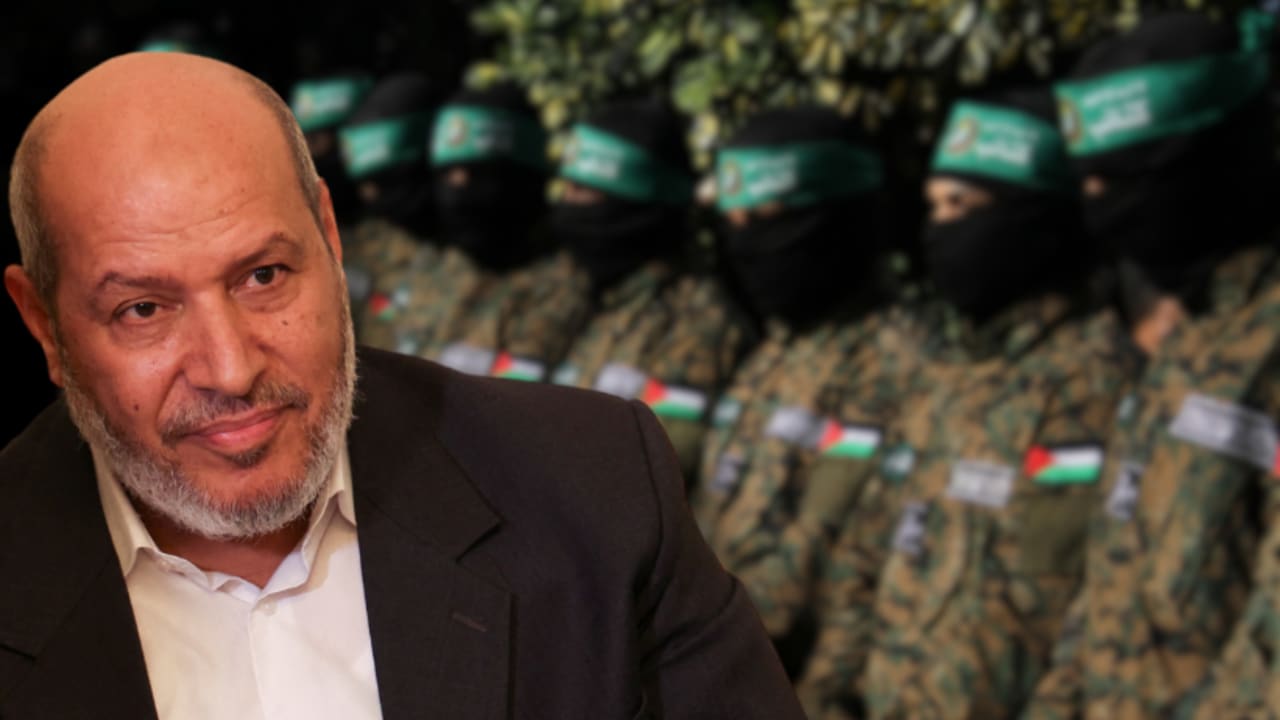
Hamas plans to search new areas of Gaza for the remains of the Israeli hostages on Sunday, Khalil al-Hayya, the deputy chief of Hamas's political bureau, told Al Jazeera.
"We will enter new areas in Gaza on Sunday to search for bodies," al-Hayya told Al Jazeera.
The Hamas leader also assured that he "told [US Special Envoy Steve] Witkoff and [Jared] Kushner during the meeting with them that we are advocates of stability."
"Our weapons are linked to the existence of the occupation and aggression, and if the occupation ends, these weapons will belong to the state," he said, while discussing the attempts to disarm the terror group.
"The issue of weapons is still under discussion with the factions and mediators, and the agreement is still in its early stages," he added.

Hayya also called the strike on Doha, Qatar, a "historic failure for Israel," while he explained that the negotiations with the US envoys that "President Trump is capable of restraining the Israeli occupation."
Hamas plans to hold elections and create a new Gaza
Hayya also commented on the possibility of holding elections in the Gaza Strip for the first time since the terror group took power in 2007. "We want to go to elections as a prelude to reunifying the national ranks," he assured.
"We agreed with all factions that the task of the UN body is to reconstruct Gaza," he added and detailed: "We have no reservations about any national figure residing in Gaza to administer the Strip."
He also explained that Hamas welcomes an UN peacekeeping force that would "act as a separation in the border, monitoring forces and enforcing the ceasefire in Gaza."
Finally, he also talked about the humanitarian aid needs in the Strip: "The humanitarian situation is deeply concerning to us. Gaza needs 6,000 trucks of aid daily, not just 600. We are not satisfied with the amount of aid entering the Gaza Strip and call on the mediators to intervene."