Mission accomplished. That could be Israel’s slogan at this moment.
Jerusalem got the Natanz and Isfahan nuclear facilities destroyed.
The US dropped its mega-bunker-buster bombs on the Fordow nuclear facility.
Dozens of other nuclear facilities have been destroyed. Many of Iran’s top nuclear scientists have been killed.
More than 50% of its ballistic missile launchers have been destroyed, and 75% of its top military and intelligence officials were killed.

Israel's war goals
The ballistic missile threat remains, but it has existed since the 1990s, and Iran may now think much harder about firing at Israel than it did in April 2024 and October 2024.
And it is unlikely that Israel, without the US, could destroy the whole ballistic missile program.
Given that truth – notice Israeli officials all along have said a goal was “substantially harming Iran’s ballistic missiles” and not “absolute victory,” as they said regarding Hamas – what more is there to achieve?
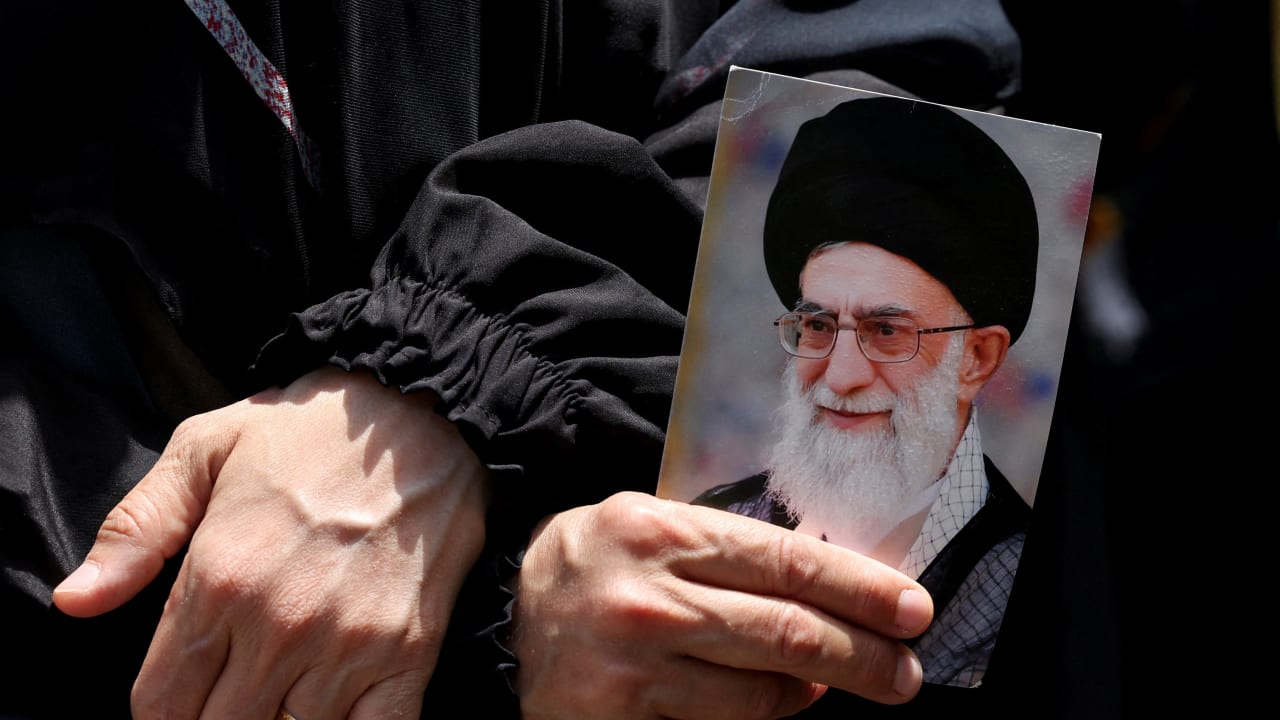
Israel could kill Iranian Supreme Leader Ayatollah Ali Khamenei and some more leaders, but it is not clear that it can bring about regime change in a country of 90 million people where the regime has many millions of supporters.
Maybe the US could, but President Donald Trump has made it clear he is not in the battle for that.
So, what else is there to achieve?
Israel may need to attack again in the future if Iran tries to rebuild its nuclear program, but that may be six months, two years, or longer away.
At some point, Israel stopped attacking Hezbollah. It is now becoming a clearer time to figure out what the point of diminishing returns is with Iran.