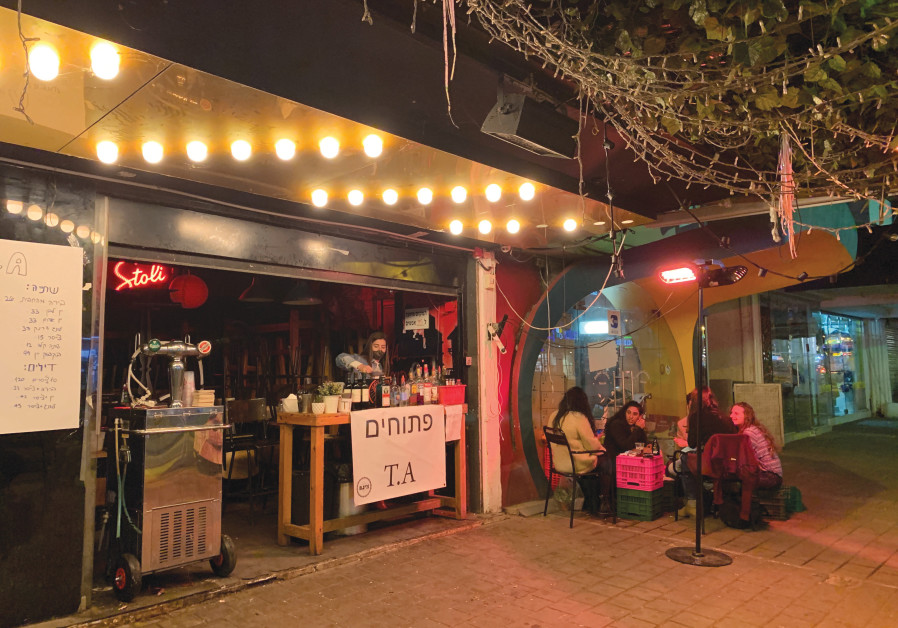
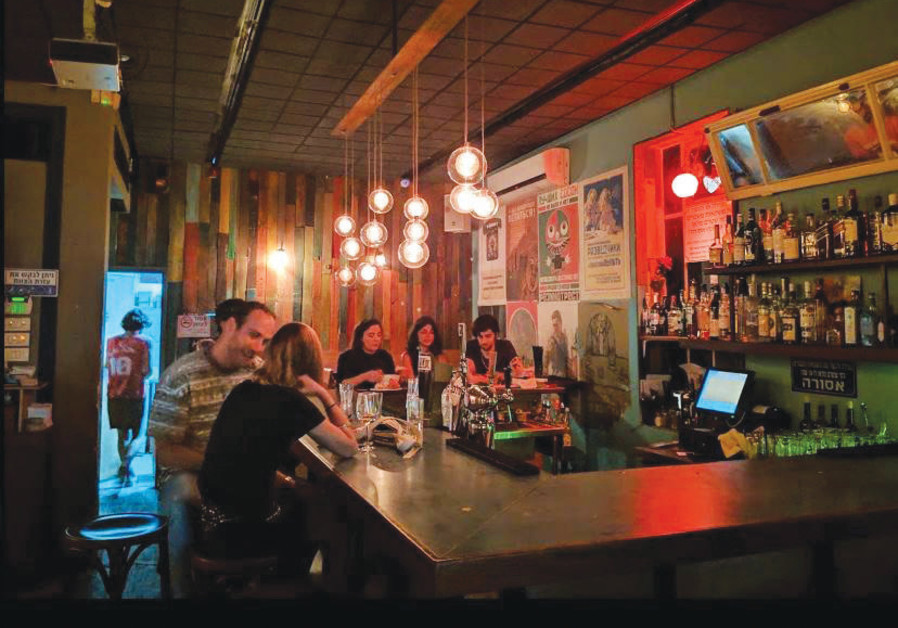
Toward the end of Israel’s third lockdown, the famed Haoman 17 nightclub in Florentine looked like a massive art installation paying tribute to Tel Aviv’s internationally celebrated nightlife scene. Barely a foot has tread on its dance floor since the lockdowns began. Instead, dirt and dust dance on the floor, bars and cocktail glasses, while the massive machinery – sound and lighting systems and DJ equipment designed to crank up a gyrating crowd until wee hours of the morning – stand forlorn, like the haunted objects longing for someone to be our guest. Instead of buff bouncers, trash and stray cats guard the club entrance.The image of half-naked strangers rubbing up against each other in smoky air under the spell of house or trance music seems like something once only seen in movies.While on March 7, Israel rolled out the Green Pass system to enable its holders to dine inside restaurants and drink at bars, nightclubs and dance bars have still been left behind. Dancing at a nightclub is still considered too close for comfort, literally.Israeli nightlife pioneer Ruben Lublin, owner of Haoman 17 and party-producer extraordinaire, can only sit idly at his desk or on his sofa and wait. “I’ve been a year in the house watching Netflix,” he said from the eerily empty Haoman 17 offices. As of now, the Green Pass system doesn’t help him, despite him happily abiding by the idea behind it. He doesn’t want anyone at his club to get infected with the coronavirus. “You want to get into my club? You have to be vaccinated. That’s my condition,” he said.His entire staff has gotten the jabs in preparation for an eventual opening.“Are you telling me that if we are all vaccinated, you’re not going to let me open my club?” he said. “Tell me now so that I don’t have to wait. I’ll close it now.”The scene on Dizengoff Street with its string of street-side bars lining the pavement, on the other hand, appears just as happening as it was pre-corona days, minus foreigners. No social distancing on these bar stools. Night owls are out with a vengeance – against the lockdowns, the government, and, of course, the virus.“It’s great to get back to living a ‘kind of’ normal life again and breathe some fresh air, finally,” said Ariel (last name held upon request) of Tel Aviv, who lives in the neighborhood. Just days before restaurants and bars opened, and even earlier, people defied the rules and curfews. Most bars operated in “TA” (“takeaway”) mode. The city provided a few plastic crates for people to sit on and place their drinks. Bar owners sometimes cheated and paid fines of several thousand shekels. “People had enough. People are tired,” Ariel said. “They want to get back to life. They realize lockdown is just political and there really is no health reason for it. Everyone is struggling financially, nobody even talks about the mental health of all the people affected by it and the effects of that are worse than the actual disease, especially now that half the population is vaccinated.”Even now, it’s not clear how strictly owners and customers will enforce the Green Pass rules.“I went into a bar a few days ago, was reading a book, but they said from the beginning they’re open for everyone, the ones that are vaccinated and the ones that are not,” said David Denemark, an immigrant from Germany who works as a voiceover artist and Wolt delivery guy. He holds a Green Pass.“On Sunday night, when they opened the restaurants and I had my first delivery and it was full of people, I told the waitress how it’s so nice to see all these people being outside and talking to each other and you having customers.”