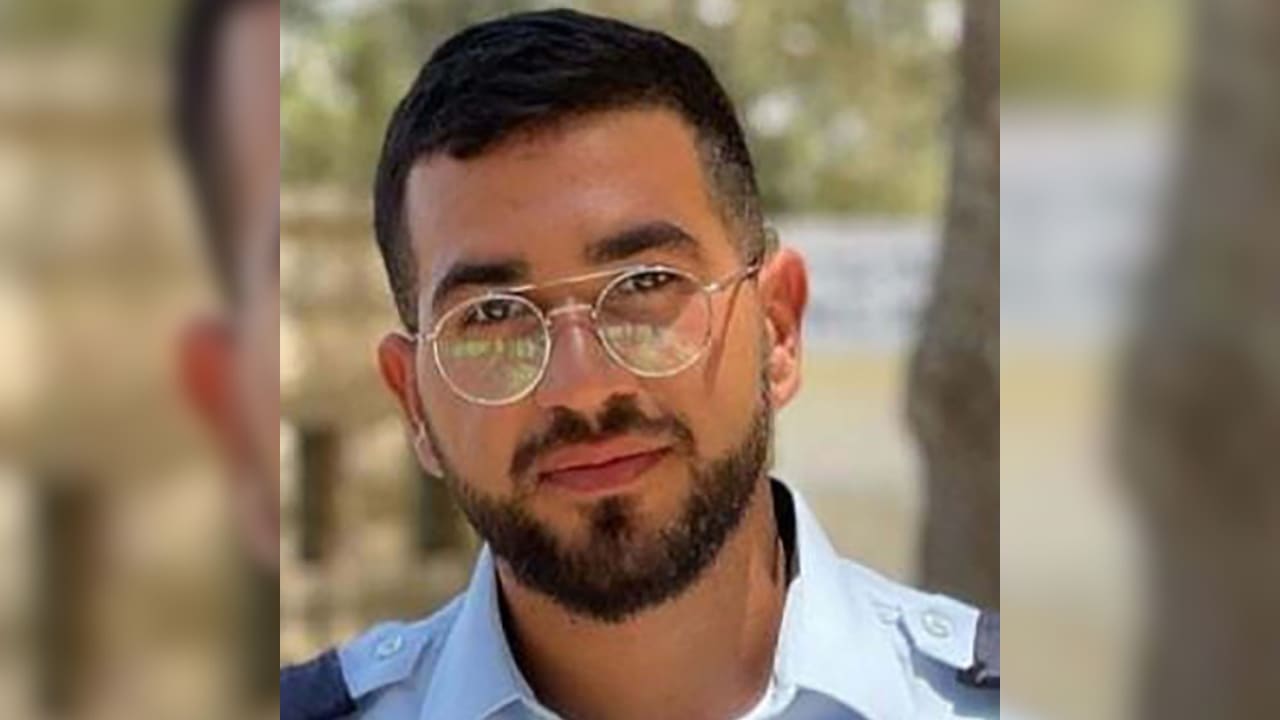
The IDF on Sunday night announced it is in mid-operation to try to find the last remaining Israeli hostage, Ran Gvili, in northern Gaza.
According to the IDF, a series of clandestine operations started over the weekend to get closer to the potential location of Gvili.
The military said that the operation could take anywhere from several hours to several days. However, Army Radio reported that the goal was to find Gvili's body tonight.
There were two to three locations where the IDF suspected Gvili was buried, but the recent intelligence gave indications that Gvili was buried in a Muslim cemetery in the Shejaiay Darah-Tuffah portion of northern Gaza on the Israeli side of the yellow line.
The IDF said that the intelligence it obtained about Gvili's remains did not come directly from Hamas. Army Radio reported that terrorists who had recently been captured from Gaza revealed some of the pieces of intelligence during interrogation.
At the same time, the IDF said that Hamas, or the Qatari mediators, were consulted about this intelligence, and now believe it could be correct.

The IDF is currently turning over about 170 graves in a particular part of the cemetery. If Gvili's body is not found in any of those graves, the IDF may have to search the entire cemetery.
IDF rushes to find Ran Gvili's body in Gaza
IDF sources implied that Hamas's recent information about where Gvili might have been buried may have been misdirection.
In addition, IDF sources implied that Islamic Jihad might have buried Gvili in the cemetery, thinking incorrectly that he was one of their own fighters or at least Palestinian.
Military sources told Army Radio that Gvili was buried within the first few weeks of the war in Gaza, but that the terrorists who buried him might not have known his identity.
"It is not certain that the Islamic Jihad terrorists knew in real time that they were burying an Israeli soldier."
If the IDf does not find Gvili's body in this location, it will explore the other couple of possibilities.
Further, the IDF has had pieces of information about this location for a significant period of time, but only the additional evidence it obtained over the weekend's clandestine operations paved the way to a decision that this location could really be the correct spot.
Along with the large number of IDF mandatory service and reserve troops, an engineering unit force, the IDF team in the field also has rabbinic advisors and a dentist to try to help quickly identify and confirm his remains.
IDF sources said the first step would be to match his fingerprints, but if that was not possible, then dental or DNA tests would be used next for identification.
All of this new push comes as the Israeli government faces the potential embarrassment of having to open the Rafah Crossing, potentially before Gvili's remains are returned.