Even before doctors finished their first checks on the 20 Israelis freed on Monday, small scenes hinted at how faith helped them endure and how it now shapes their homecoming.
In helicopters and hospital hallways, in whispered blessings and familiar melodies, families reached for the language of Judaism to make sense of nearly two years of darkness.
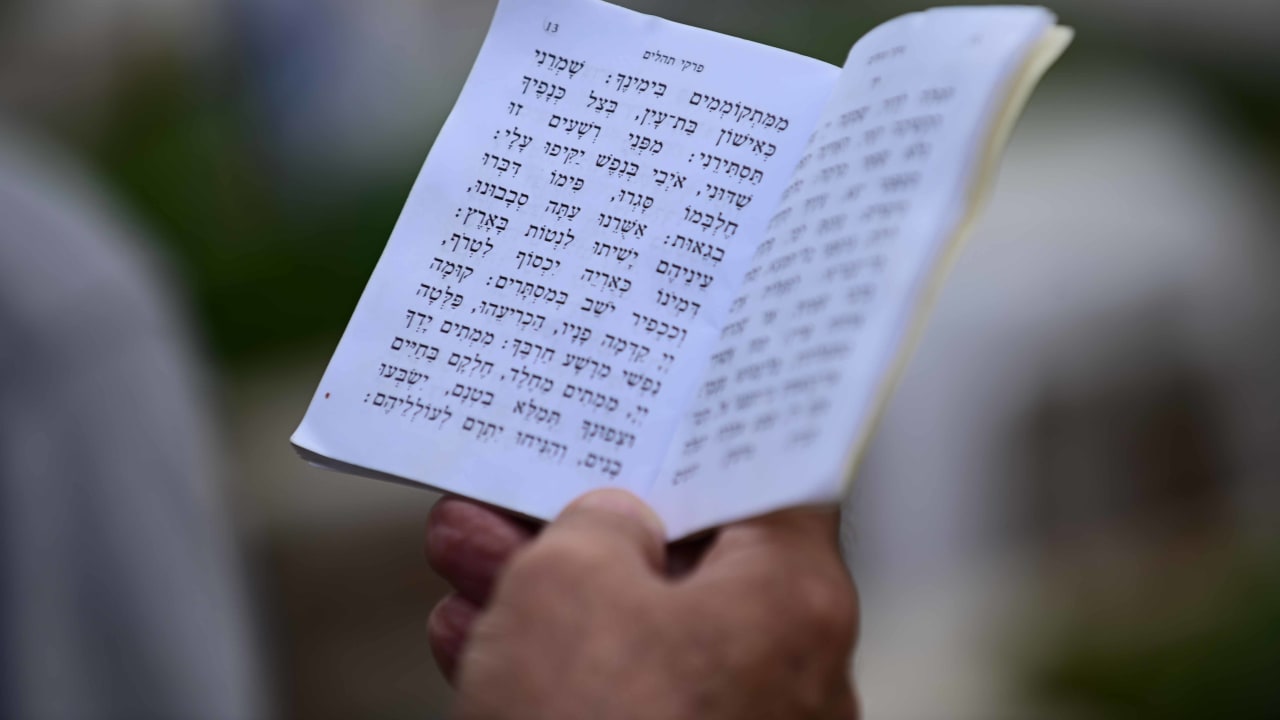
Released hostage Matan Zangauker told relatives he had found a worn Book of Psalms (Tehillim) underground and had been praying from it daily.
In a place with little air and almost no daylight, the steady rhythm of those verses became a routine, then an anchor. Rom Braslavski’s family said prayer steadied him when food and sleep did not, a lifeline he clutched in the worst weeks.
When reunions finally came, gratitude took the form of blessings many Israelis can recite by heart. Segev Kalfon’s relatives answered the first embrace with Shehecheyanu, the blessing said on reaching a special moment. Outside the intake tents and at the hospital gates, friends and strangers repeated the phrase Am Yisrael Chai (the people of Israel live), a chant that blends national resilience with spiritual hope.

Some details were simple and disarming. On release day, Yosef‑Chaim Ohana shared, “Chag sameach! Thank God,” a greeting that moved through Israeli social media in seconds. Later, in the ward, he asked for two dishes from home: his grandmother’s couscous and a crumb‑cheesecake; the medical team ensured comfort would not compromise recovery.
Others reached for talismans and short lines of faith. Bar Kupershtein, abducted from the Nova site, met the defense minister and placed a bracelet in his hand that read, in Hebrew, “always in the hands of the Creator.”
He described long stretches in the same tunnel and said that since the previous deal, guards sometimes let the captives watch the news. The bracelet, and the way he introduced it, captured how often religious language has threaded through these conversations.
Faith also arrived as music. At Ichilov Hospital, singer Shlomo Artzi stood by bedsides and sang “Melech Ha’Olam” (King of the World) for returnees, including Matan Angrest and Omri Miran. Families described a release that looked like prayer without a siddur, a circle of listeners, and tears that come when words themselves feel too heavy.
Hospitals have emphasized privacy and quiet. Much of what is unfolding is intimate, with rabbis, chaplains, and volunteers offering Psalms, blessings, and practical guidance at the pace each family can bear. Staff speak of measured steps and small victories, from the first night’s sleep without fear to the moment a returnee chooses to eat without asking permission first. These are medical milestones, yet they often wear a spiritual face.
Relatives lean on Jewish terms
The words people use matter. In interviews and short posts, relatives lean on terms that carry weight in Jewish life. They talk about neshama (soul), emunah (faith), and Siyata d’Shmaya (help from Heaven).
A pocket psalm, a thin bracelet, and a blessing said softly on the ride home. In ordinary times, these are small things. After two years underground, they are part of the story.
The country’s ritual space has widened to meet them. The helicopter that carried Omri Miran circled Hostage Square in Tel Aviv, the plaza that hosted vigils, psalm marathons, and candle lighting since the early days of the war.
Looking down from the air, Miran stitched his private reunion into a public rite that has lasted almost two years, an unbroken chain of prayer that many families say sustained them as much as food or sleep.
Doctors are careful to say that rehabilitation will take time, physically and psychologically. For many, the vocabulary of Jewish life will frame that work, from the calm of Shabbat meals to the blessings that mark each small step forward.