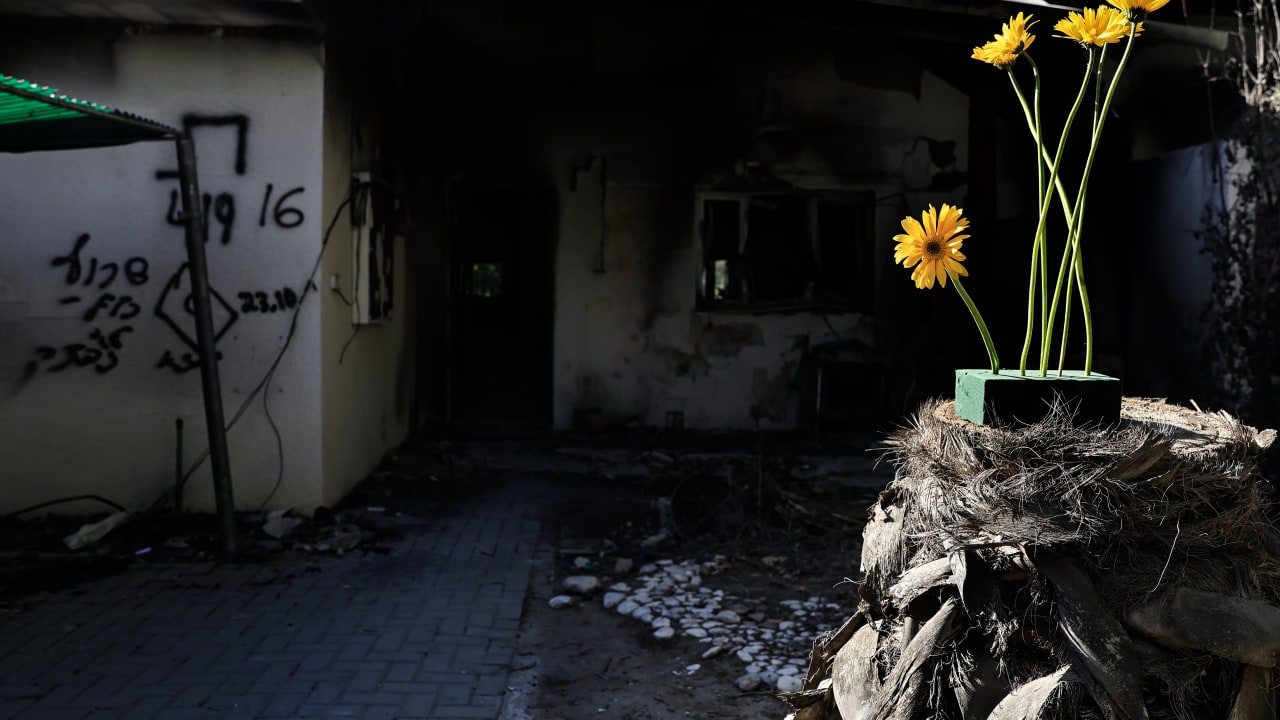
More than 90 percent of residents from communities along the Gaza border have returned home, according to a report published Wednesday by the Tekuma Directorate. The figure translates to approximately 62,000 people.
The directorate noted that while five of the most heavily damaged communities remain uninhabited, their residents are expected to return within two years. Local authorities have been given autonomy over the rebuilding process, with Tekuma providing "ongoing support, guidance, and supervision."
Of the 47 communities in the area, 42 have been repopulated. Construction projects totaling around NIS 800 million are underway, funded directly by the directorate. The initiative involves ongoing coordination with local leadership.
According to the directorate, the rebuilding effort spans "all areas of life," including infrastructure, health, education, employment, and community services. The stated goal is "to renew settlement, revitalize the region and turn it into a vital, stable, sustainable and attractive area for its residents and for the State of Israel."
Five communities still waiting to return
While most communities have resumed regular life, five remain in temporary housing. Be’eri, Kfar Aza, Kissufim, Holit, and Nir Oz are at various stages of reconstruction. Kissufim is expected to be ready by November, Holit by March 2026, and both Kfar Aza and Be’eri by next summer.

Nir Oz has adopted what the directorate described as "a unique plan," which includes a rural tourism site as part of its long-term development strategy.
Return rates vary by community
Most communities have seen the majority of their residents return, with some also welcoming new families.
Kerem Shalom has reached about 88 percent of its prewar population and has absorbed six new families. Kibbutz Sufa is at roughly 90 percent, with the same number of new families. Nir Yitzhak stands at 82 percent with eight new families. Nirim is at 90 percent with one new family, while Ein HaShlosha has also reached approximately 90 percent with five new families. Re’im currently reports a 95 percent return rate and 10 new families.
In Netiv HaAsara, around 83 percent of residents have come back, joined by 12 new families.
Nahal Oz, which only began its return process this month, has seen about one-third of its families return, along with four new families.