
A new report published by the public defender on Tuesday morning reveals a troubling picture of the conditions in which prisoners are held in the aftermath of the war in Gaza. According to the Supreme Court ruling, the Israel Security Service (Shin Bet) must ensure a minimum living space of 4.5-4 square meters, which includes a bed and mattress for each prisoner.
It was determined that the implementation of the ruling would take place in two stages, gradually reducing the number of prisoners and opening additional prison wings. However, the Israel-Hamas War and the wave of arrests that followed have increased the number of prisoners from 16,000 to over 20,000. As a result, National Security Minister Itamar Ben Gvir declared a state of emergency in prisons, allowing the Shin Bet to deviate from the regulations imposed on the organization.
The overcrowding in cells is only growing, and "the conditions violate human dignity and the human image," as stated in the report. "Even when dealing with those convicted of serious crimes, the detainee's right to sleep on a mattress is a fundamental part of the minimal conditions given to a person as part of defending his dignity. Moreover, according to international law, holding a prisoner in an area less than 3 square meters is considered cruel, inhuman, and degrading punishment."
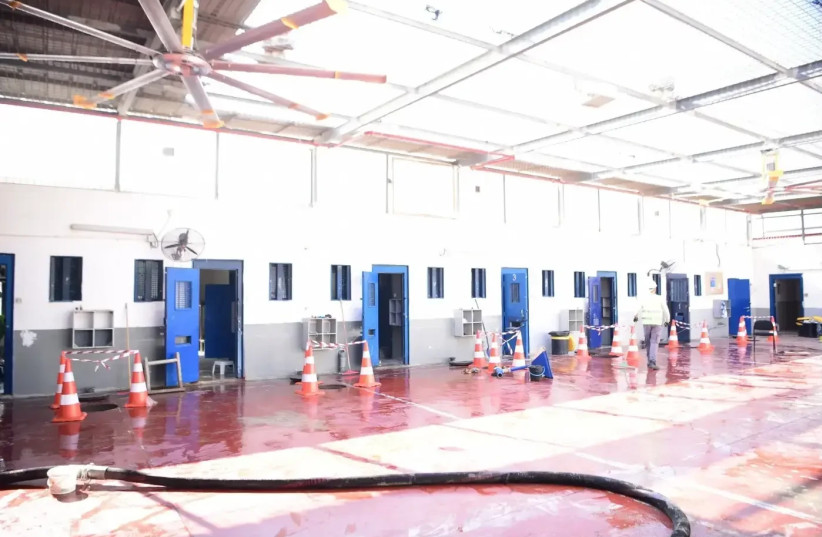
In the Russian Compound, a detention facility in Jerusalem, about 170 detainees are held regularly. However, due to the outbreak of the war, there were about 230 detainees. The conditions there were not good because the detainees were without mattresses and had to eat meals in the dark without electricity. The findings show that there were detainees who were left in their cells after the cancellation of the yard time due to the war outbreak.
As a result, some detainees did not see daylight throughout their detention period and some complained that their clothes were not replaced. Several of the Jewish security detainees in the facility complained that a few hours before the visit, their mattresses were taken from them, and the prison administration clarified that there are different guidelines regarding Jewish security detainees compared to Arab security detainees and explained: "The guidelines given to the different populations of security prisoners are a direct result of the risks and dangers they seek to prevent, the existing and necessary differentiation between populations with different risk characteristics of security prisoners."
<br><br>Recommendations for improving prison conditions
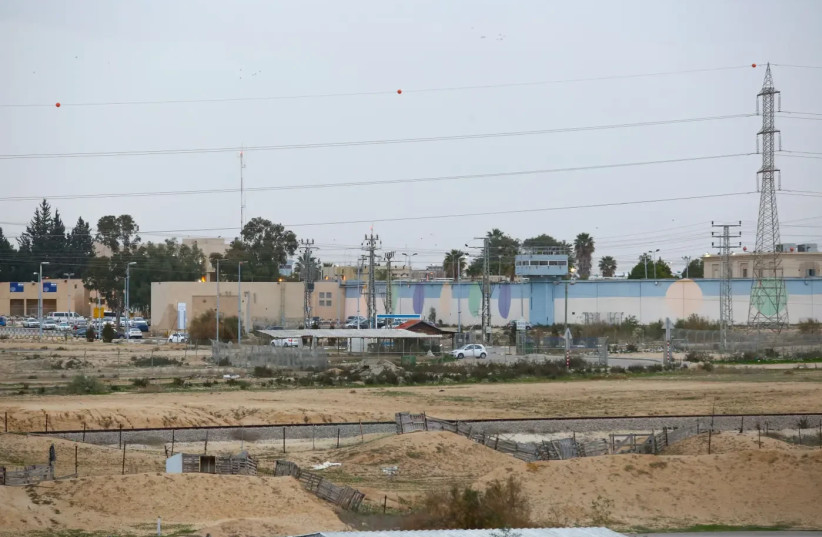
Alongside the severe overcrowding prevailing in correctional facilities, it should be mentioned that during the emergency period, numerous changes were made that further affected the rights of prisoners, worsened their conditions, and intensified their distress. Recently, the gradual return to routine in the penal sector has included preventing visits and furloughs, reducing educational, therapeutic, and rehabilitation activities, reducing the hours of outdoor ventilation to the point of keeping inmates confined to their cells for 23 hours a day, and restricting telephone access.
It should also be noted that for several weeks, release hearings for prisoners whose early release was imminent were canceled. Additionally, hearings on prisoners' appeals were canceled altogether, except for detention hearings that were held without the presence of the detainees, only through videoconferencing or in many cases, by telephone.
The Israel Prison Service stated, "With the outbreak of the 'Iron Swords' war, the prison service operates under a state of emergency with the admission of thousands of security and criminal prisoners. With the appointment of the prison service's new commissioner, Superintendent Kobi Yaakobi, on January 24, 2024, he requested to receive the responsibility for the prison service and took concrete steps, including promoting the 888 plan to add prison spaces, continuing the planning of the prison service, paying attention to the Supreme Court's decisions, and ensuring the safety and security of the staff."