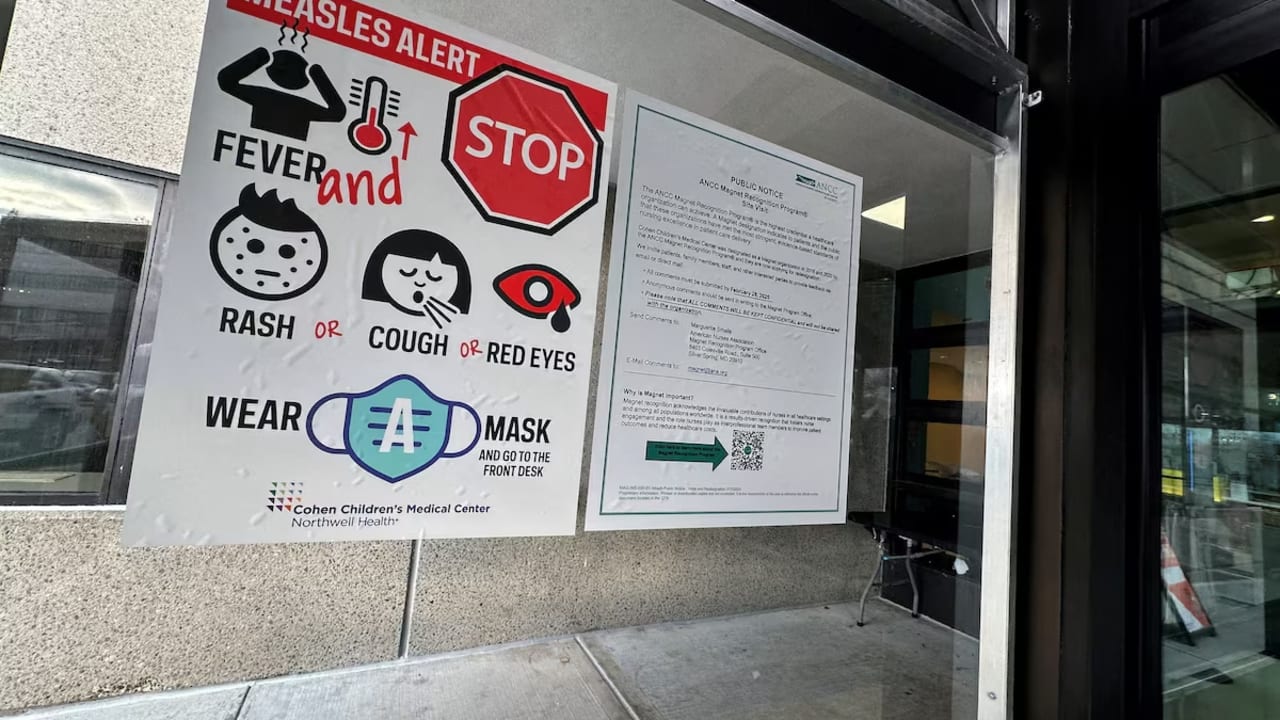
The Pan American Health Organization (PAHO), the World Health Organization's specialized international health agency for the Americas, revoked the US's measles elimination status, the Wall Street Journal reported on Friday.
The US achieved measles elimination status in 2000 through immunization campaigns and the creation of a program enabling free vaccines for millions of children.
Elimination status does not mean that a country never has a case of the measles, but rather that the disease does not develop and spread within the country and outbreaks occur only when a case is imported from elsewhere.
A country loses elimination when it is determined that measles has become endemic, when PAHO finds that the same strain of measles has been circulating in the US uninterrupted for 12 months or longer.
This comes amid a measles outbreak that has spread across multiple states, as well as falling immunization rates and rising vaccine hesitancy across the US, under US Health Secretary Robert F. Kennedy Jr., who has for years spread doubts, without scientific evidence, about the safety of measles vaccines.
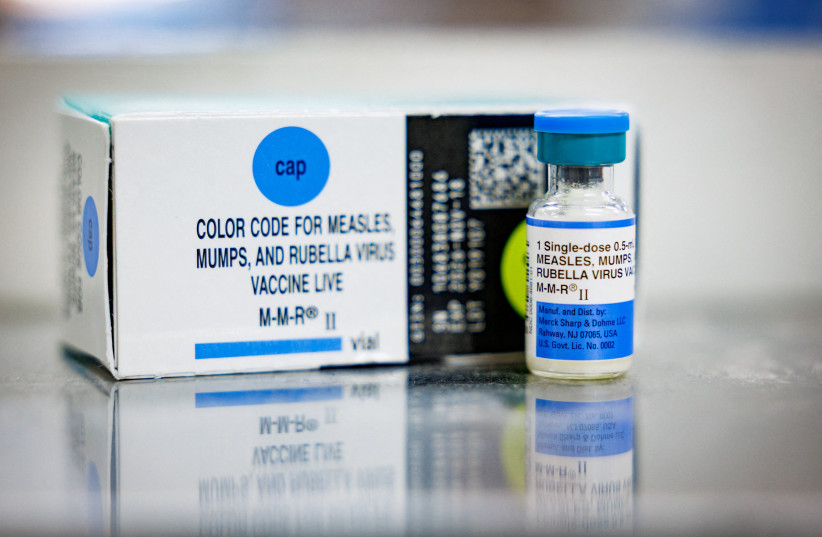
Over 5,100 cases reported to CDC from 45 states
As of Thursday, 5,182 confirmed cases of measles had been reported in 2026 to the US Centers for Disease Control and Prevention from 45 states, New York City and the District of Columbia, surpassing last year's total of 2,289, making it one of the country's worst measles resurgences in decades.
The US achieved its measles-elimination status in 2000. A country can halt transmission when 95% of its population is vaccinated, creating so-called herd immunity that also protects those unable to receive the vaccine.
Two doses of the measles vaccine – by far the best way to prevent infection and transmission – provide 97% protection against the virus, which can cause blindness, deafness, brain damage, or death.