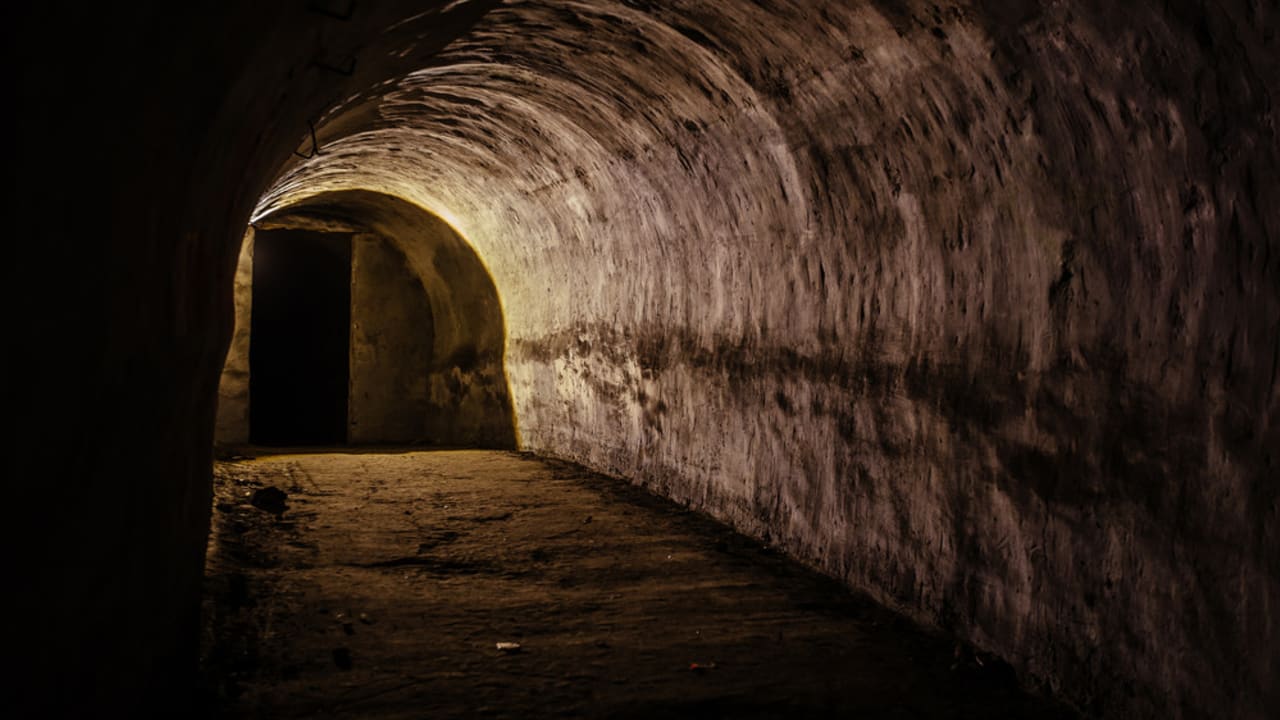
In 2022 Clóvis Messerschmidt and two colleagues slipped into the Braun family’s abandoned home in Ibirubá, southern Brazil, hours before its demolition and found a hidden entrance to an underground bunker sealed by freshly poured concrete, according to the Washington Post. The local reporter, who prints fewer than a thousand copies of his newspaper, had spent years chasing rumors of tunnels he believes once sheltered Nazi fugitives, a campaign that has split the soy-farming town between believers and skeptics.
The house’s destruction dealt “a huge blow to our research,” said Messerschmidt, according to the Washington Post. Before the demolition, he had received a threatening note in May 2019 and later persuaded academics from the Federal University of Rio Grande do Sul to survey public land with ground-penetrating radar. A municipal dig in October 2019 produced only an undocumented concrete pipe, yet temper flared. “Someone wanted to conceal something,” said farmer Fábio Loreno Bueno.
Messerschmidt pushed on, uploading a YouTube documentary that drew more than 133,000 views. “What began as a story to celebrate the town’s 60th anniversary has transformed into a tireless search for answers,” he said in the film. He has interviewed more than 100 elderly residents who recalled sealed shafts, heavy doors, and, in one account, swastika-stamped objects underground.
Leonilda Brunheri told him she once entered a tunnel and saw “Nazi paraphernalia,” while former housekeeper Irisma Anna Heis Grohe described a secret room reached through a hidden doorway. Messerschmidt’s files also contain a photograph that appears to show Dr. Frederico Ernesto Braun standing beside a man in Nazi uniform.
Braun, a physician who died in the 1960s, anchors much of the intrigue. His American wife publicly accused him of running a $40 million money-laundering ring. In 2016 vandals desecrated his grave and mailed a tibia to journalist Carlos César with a note claiming it belonged to Braun; a forensic report said the bone came from a man of African descent, prompting Messerschmidt to declare, “Dr. Braun faked his death.”
The reporter now argues that Braun oversaw tunnel construction to hide fugitives and fortunes. He cites a 1944 article in the police magazine Vida Policial that said local residents stored Hitler portraits, propaganda, and weapons, and notes that Simon Wiesenthal’s archive recorded a 1968 claim of Martin Bormann’s presence in town.
Professional historians rejected the theory. “This struck me as extremely fantastic,” said historian René Gertz, according to the Washington Post, adding that Ibirubá’s soil is excellent for soybeans but “terrible for digging tunnels.” Gertz also reminded readers that DNA analysis confirmed Bormann died in Berlin in 1945.
Property owners have barred Messerschmidt from searching their land, and municipal as well as university officials deny plans for new excavations despite his public assurances. The reporter said he has lost subscribers and advertisers but vowed to continue. “This is a search for the truth,” he said.
More than seven years after Messerschmidt first wrote about hidden shafts, town-council motions, media coverage, and police inquiries have yet to resolve whether a Nazi refuge lies beneath Ibirubá’s red earth.
The preparation of this article relied on a news-analysis system.