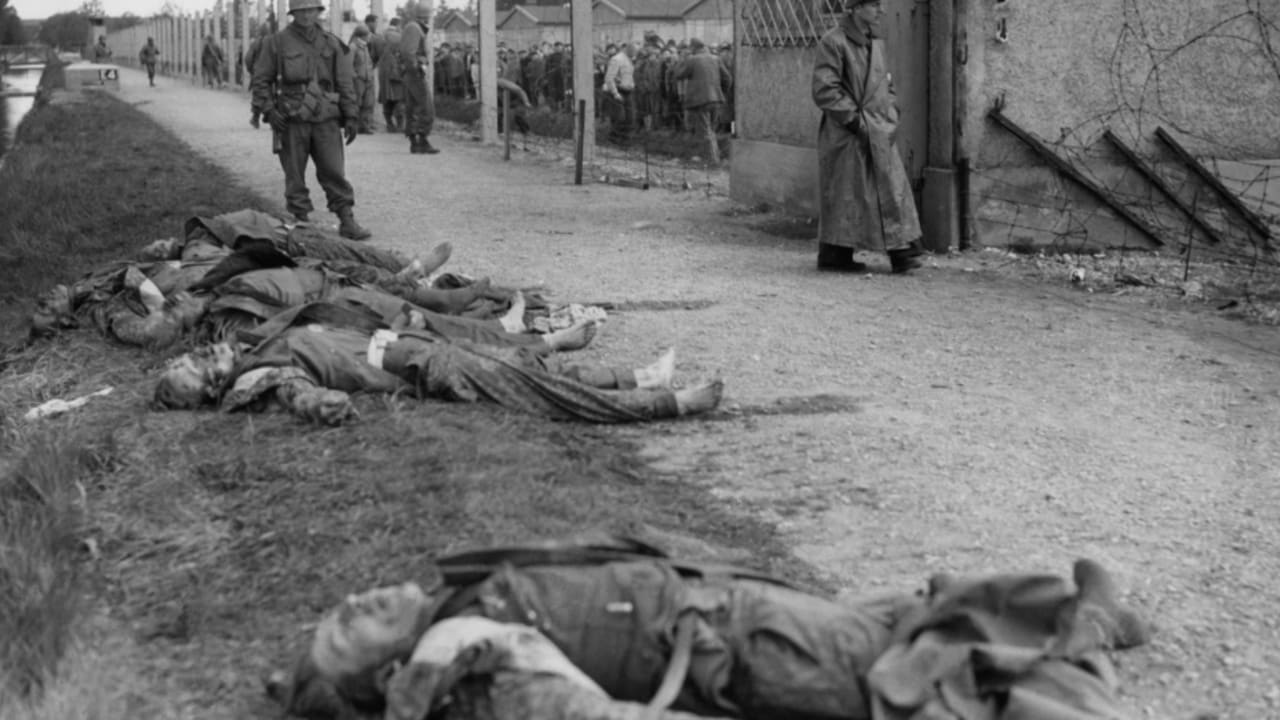
German historian Anne Sudrow published a study that described close personal relationships between Weleda and the SS and ties among Anthroposophists, Demeter Agriculture, and the SS. “It is hard to imagine that the responsible researchers or businessmen at Weleda did not know that they were dealing with an SS order,” said Sudrow, according to a report by 20 Minuten. Spiegel reported that it had access to Sudrow’s unpublished study, which was commissioned by the Dachau Memorial Site.
According to Sudrow’s study former Weleda employees held roles at the Dachau concentration camp and the company supplied products to the camp, including a cream likely used in human experiments. Weleda acknowledged in its company history that it supplied a cream to the SS, though it remained unclear whether it was used in human experiments or whether that was SS doctor Sigmund Rascher’s intention.
The study asserted that Weleda ordered products directly from the SS-run German Experimental Institute for Nutrition and Food in Dachau and in return supplied a frost protection cream probably used in experiments. It also said Weleda advertised a frost protection cream to the Wehrmacht and recommended it for use on the Eastern Front.
The study said Weleda sourced medicinal herbs, seeds, and plants from SS-run facilities in Dachau, and that former Weleda employees helped establish the plantation.
Sigmund Rascher, a Waldorf student and Anthroposophist, conducted experiments on prisoners to study hypothermia and frost protection agents, which led to numerous deaths. The study said Rascher exchanged information with Weleda professionals and in January 1943 commissioned Weleda to produce a special mixture, and that he wished correspondence about the delivery of a frost cream to be destroyed.
The study said Frank Lippert, a former manager responsible for Weleda’s medicinal plants, worked for the SS starting in 1941, profited from forced labor, maintained contact with Weleda, and that his activities at the Dachau concentration camp had no connection with his previous work at the company.
According to Deutsche Welle, the study was part of a broader historical reassessment of industry ties to the regime.
After a Spiegel report on new research into Weleda’s historical ties to the SS, the company published a statement, said it was researching its own history, and called transparent clarification a major concern. It posted a report from the Society for Corporate History on its homepage and commissioned an expert opinion slated for publication in 2024. The company condemned the atrocities of National Socialism and said it stood for tolerance, diversity, and humanity, with operations in 50 countries. It said it would analyze details regarding former employees who played roles in the Dachau concentration camp.
Produced with the assistance of a news-analysis system.