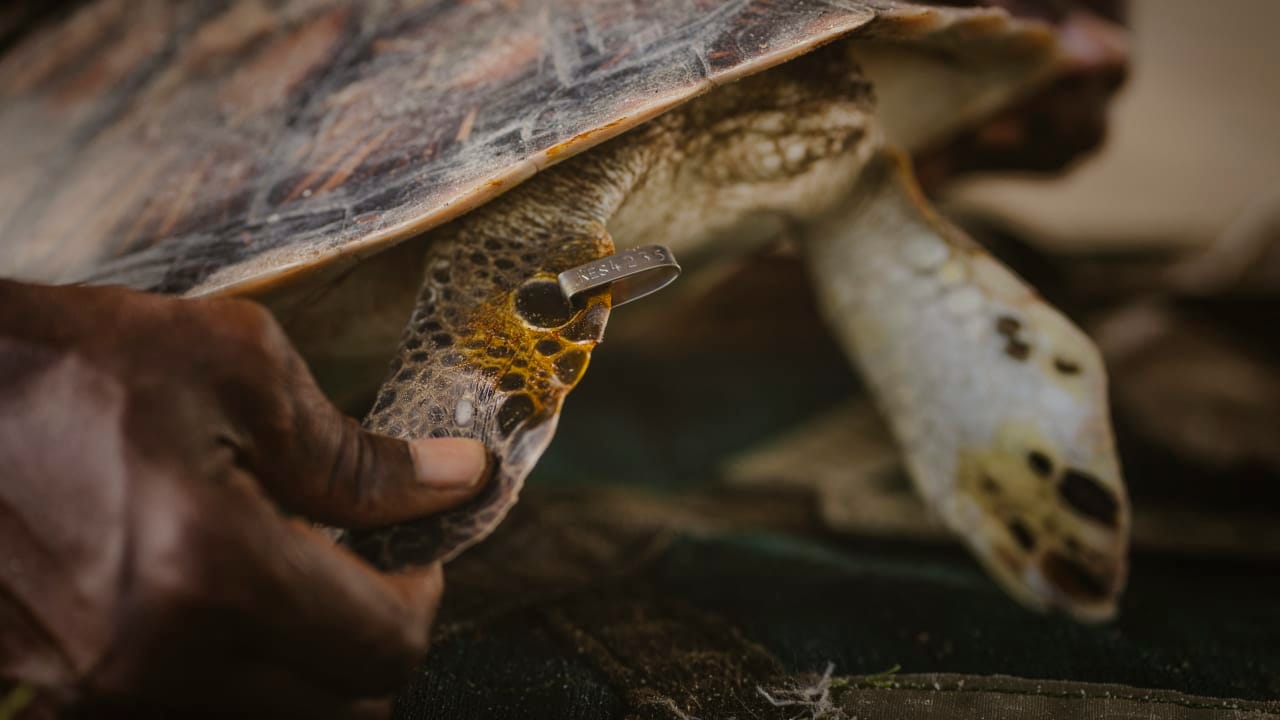
Green sea turtles are no longer an endangered species, according to a recent report by the International Union for Conservation of Nature.
In Thursday's interview with NPR's Steve Inskeep and Leila Fadel, the leader of the conservation group’s assessment for sea turtles Bryan Wallace revealed that the numbers of the species have increased over the last few decades.
Although he warned that the species isn’t “entirely out of the woods yet,” he claimed that the report shows that conservation efforts work.
Inskeep explained that sea turtles can be found anywhere from the Caribbean to the Indian Ocean, and even in some woods. They live as long as humans and grow to be three to four feet long, the NPR host explained.
'There were so many turtles'
Green turtles are one of the largest species of sea turtles, named for the greenish colour of their body fat, which comes from their plant-based diet. They are one of seven living species of sea turtles, two of which are critically endangered, according to a report by BBC.

Wallace said that during Columbus’ voyages, seamen “could navigate at night around islands by the sounds of turtles breathing and their hard shells bonking into the wooden hulls of the boats.
There were so many turtles.”
Wallace’s team estimates that the number of green sea turtle egg-nesting sites has increased since the 1970s, despite ongoing threats such as bycatch; when turtles become accidentally entangled in fisherman’s nets.
According to BBC, the turtles were hunted for soup, their eggs being consumed as a delicacy and their shells for decorative purposes.
They had been listed as an endangered species since the 1980s.
On the other hand, the report also mentions three species of Arctic seal that are in decline, as well as more than half of bird species.
Wallace is optimistic that with the right efforts, these species can also bounce back. “If you do the right things in the right places with the right people, good things happen. And I think that extends far beyond nature conservation,” he said.
Conservation efforts include patrolling beaches, protecting nesting sites, releasing hatchlings into the sea, education and awareness, and measures to reduce bycatch, said BBC.
“People can have hope, and people can act on the things that they are inspired by and the things that they find beauty and awe in," said Wallace.
"Find something you love close to you that really means a lot to knowing that it's there and to being a part of your life, and fight like hell to make sure it stays there.”
The Environment and Climate Change portal is produced in cooperation with the Goldman Sonnenfeldt School of Sustainability and Climate Change at Ben-Gurion University of the Negev. The Jerusalem Post maintains all editorial decisions related to the content.