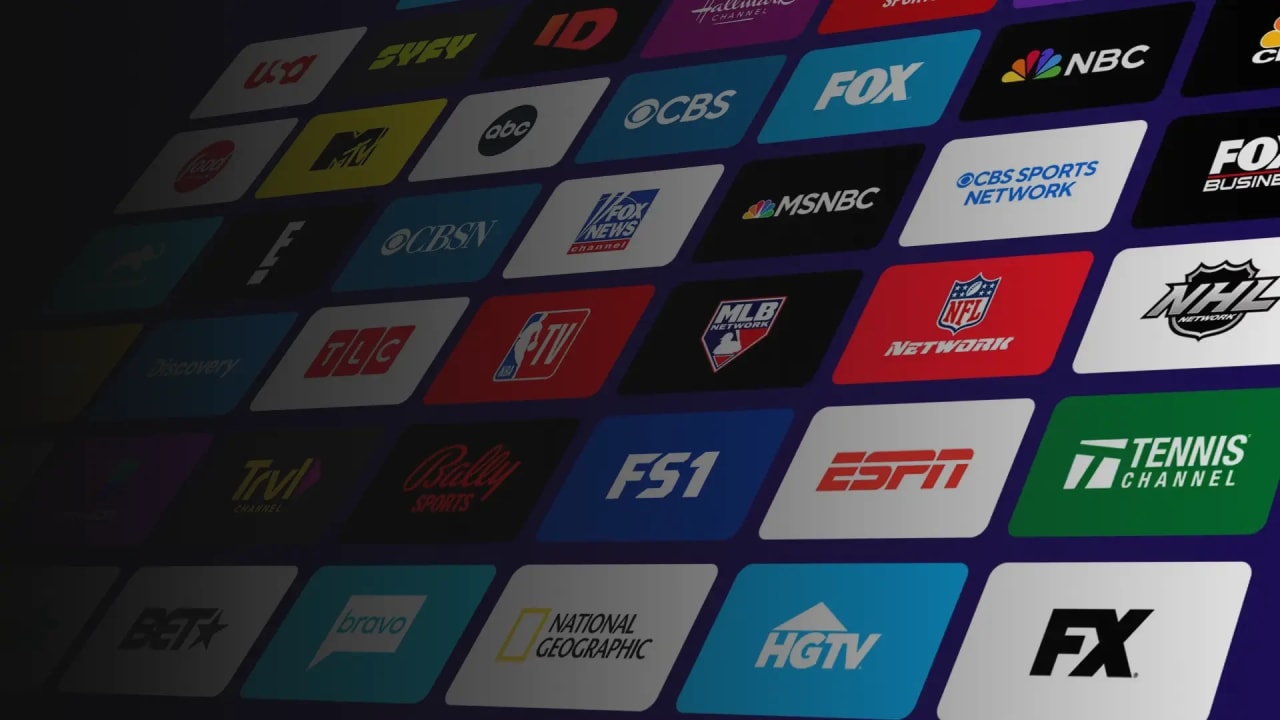
People watch video today in ways that would’ve seemed impossible a decade ago. Internet Protocol Television (IPTV) is driving that change. It swaps old-school TV schedules for on-demand streaming that works anytime, anywhere.
IPTV Subscription is one of the players pushing this change forward. It offers audiences new ways to connect with entertainment, education, and culture, no matter where they are.
Why the World Is Turning to IPTV
The International Telecommunication Union (ITU) reports that global internet use has more than doubled in the last decade. More access has fueled demand for media that is flexible, affordable, and borderless.
For diaspora communities, IPTV is especially powerful. Families can keep traditions alive by streaming familiar news, music, and entertainment even from thousands of miles away.
Beyond Entertainment
UNESCO has long emphasized the role of media in education and cultural preservation. IPTV platforms are extending that role. They now support distance learning, public awareness campaigns, and cultural exchange.
Universities use streaming to reach global classrooms. Nonprofits deliver health and development programming to remote regions. Nielsen’s data shows a sharp shift in viewing habits; streaming rose 71% between May 2021 and May 2025, making it the dominant format.
The Economics of Streaming
Households are leaving cable behind. PwC and Deloitte analysts highlight the financial pull; IPTV requires less infrastructure, scales easily in emerging markets, and answers consumer demand for cost-efficient viewing.
For many families, it’s more than convenience. IPTV means economic relief. They only pay for what they want to watch.
For those who want a quick start, the IPTV Level Up setup page helps new users install and connect without hassle.
Breaking Down Borders
Digital TV Research reports that international viewing habits are on the rise. IPTV lets people watch global news, entertainment, and education in real time.
This matters most for diaspora communities. A family in New York can stream the same cultural programs their relatives watch back home. It keeps heritage alive.
Challenges to Overcome
Growth brings hurdles. Regulators, according to ITU studies, are still catching up with rules for intellectual property, content licensing, and privacy.
Access remains another obstacle. UNESCO estimates that around 2.6 billion people are still offline. Without better infrastructure, IPTV cannot reach its full promise.
Key hurdles include:
- Protecting content rights
- Expanding digital infrastructure in underserved regions
- Ensuring equitable access to cultural and educational programming
IPTV Level Up’s Contribution
Amid this landscape, IPTV Level Up positions itself as more than a streaming service. It aims to make streaming accessible with user-friendly tools, provide affordable options that reflect modern viewing habits, and promote inclusivity by serving diverse audiences worldwide.
This vision is broader than TV. It’s about building a global meeting ground for culture, learning, and communication.
A Borderless Future
The transition from broadcast to IPTV is not just technical. It’s cultural. It represents a global realignment in how people experience media.
As UNESCO and ITU stress, the future of media must be inclusive, diverse, and accessible to all. IPTV Level Up is working toward that future.
Television is no longer about channels; it’s about connection.
This article was written in cooperation with iptvlevelup